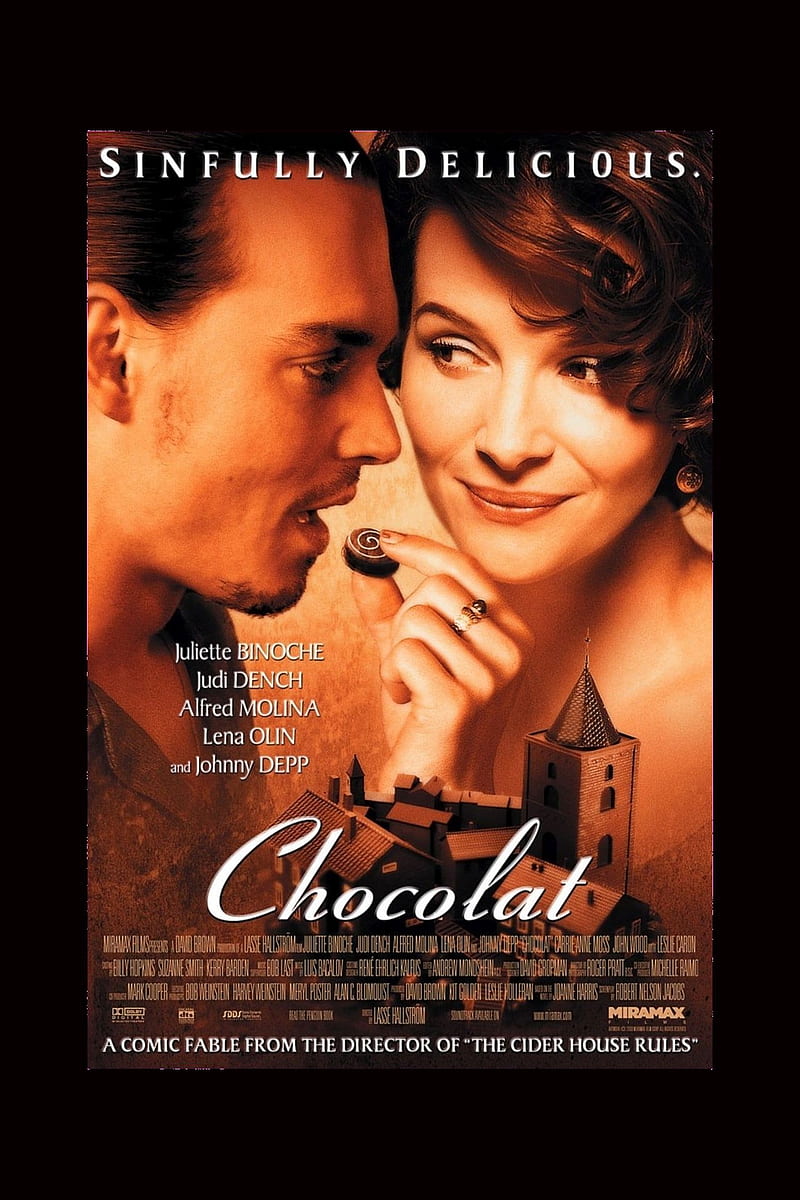
Between May and August 2000, the small medieval town of Flavigny-sur-Ozerain in France’s Burgundy region was taken over with a Hollywood film crew, and actors including Johnny Depp, Juliette Binoche, and Judy Dench, to create the whimsical, romantic tale “Chocolat”. While the film was not a success in France, it received 5 Academy Award nominations, Juliette picked up a “Best Actress” nod for her role of Vianne at the European Film Awards, and it grossed US$152million worldwide.
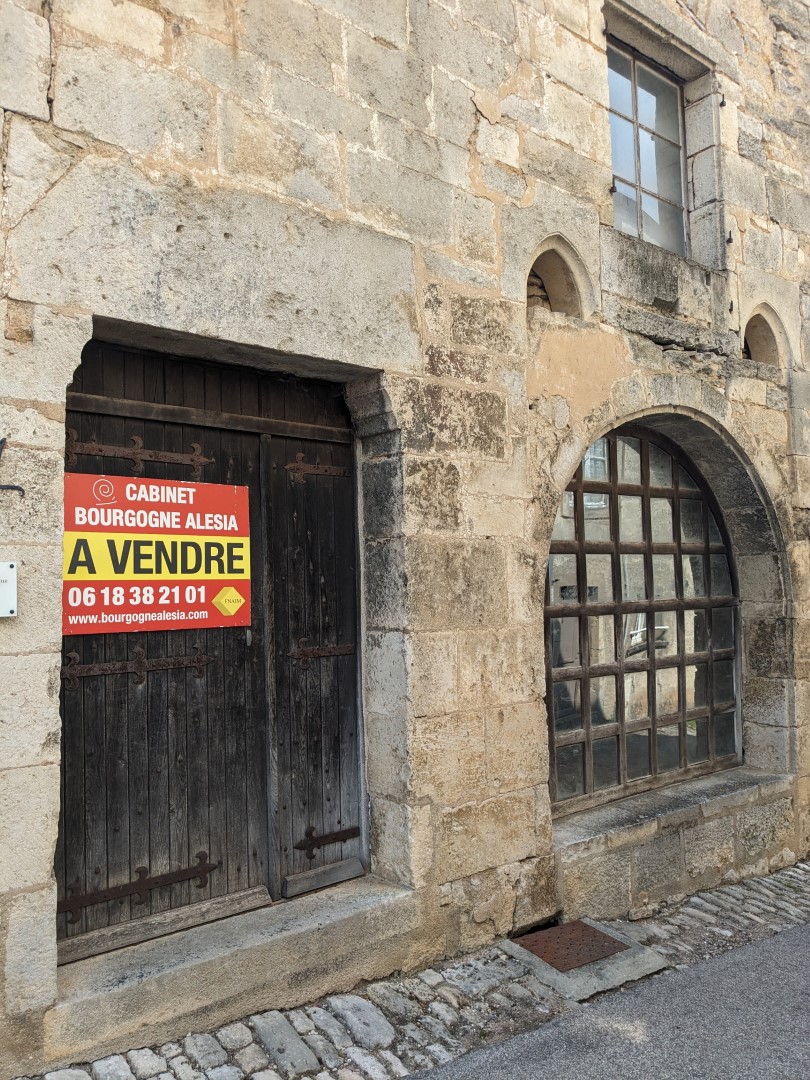
Strangely, there is little celebration for the film in the town itself, apart from a small glass plaque out the front of the now cracked and abandoned building used as the façade for spirited Vianne’s chocolate shop that changed the lives of many of the townsfolk in the movie.
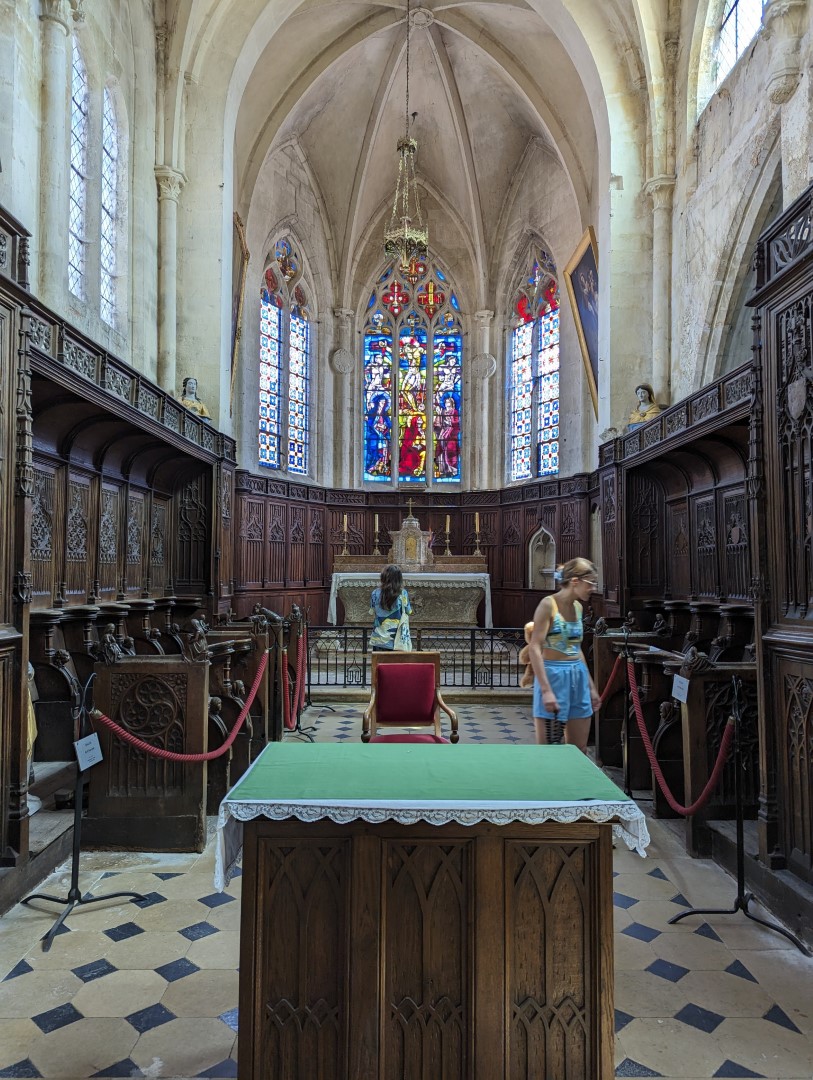
We are currently living in the house next door, a step away from the charming St. Genest church and adjoining square that also feature in the town scenes in the film.
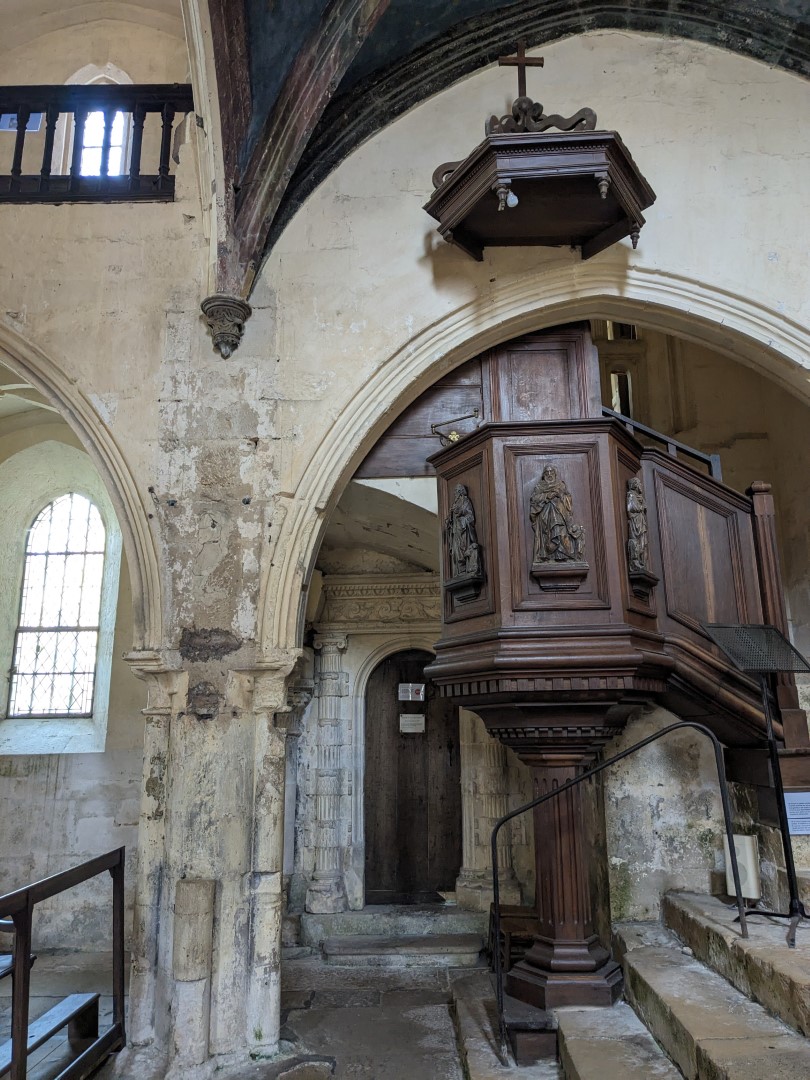
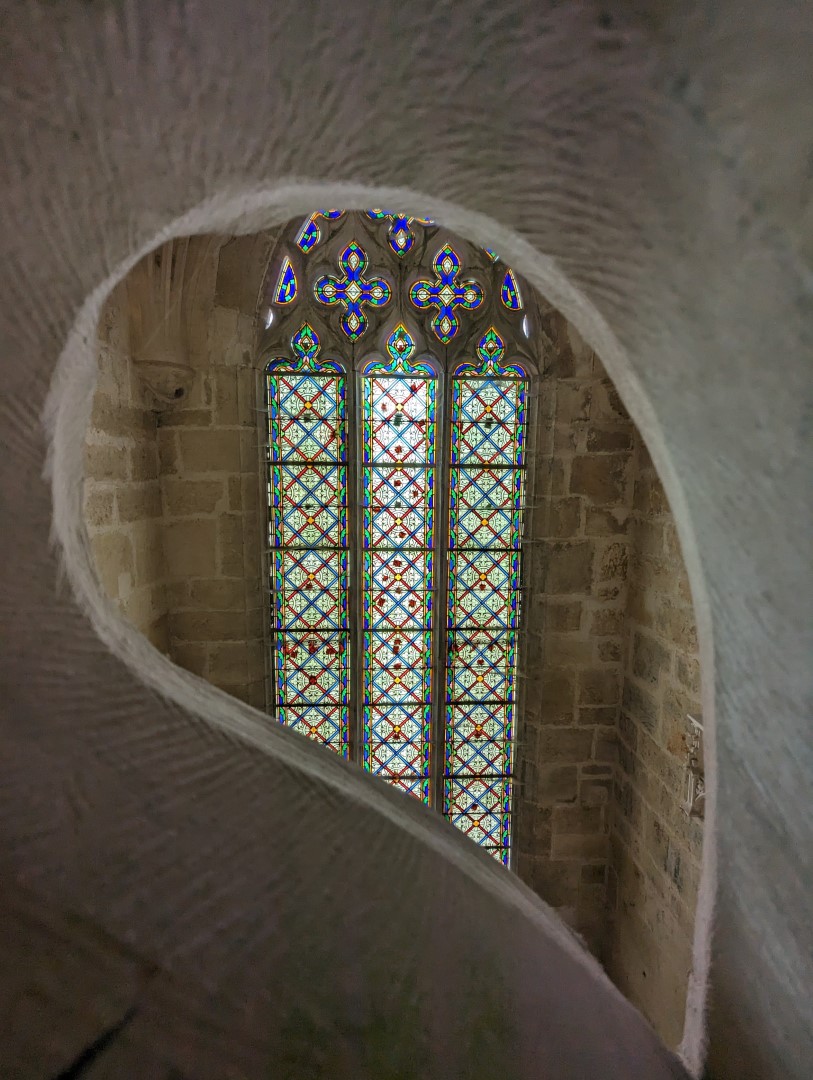
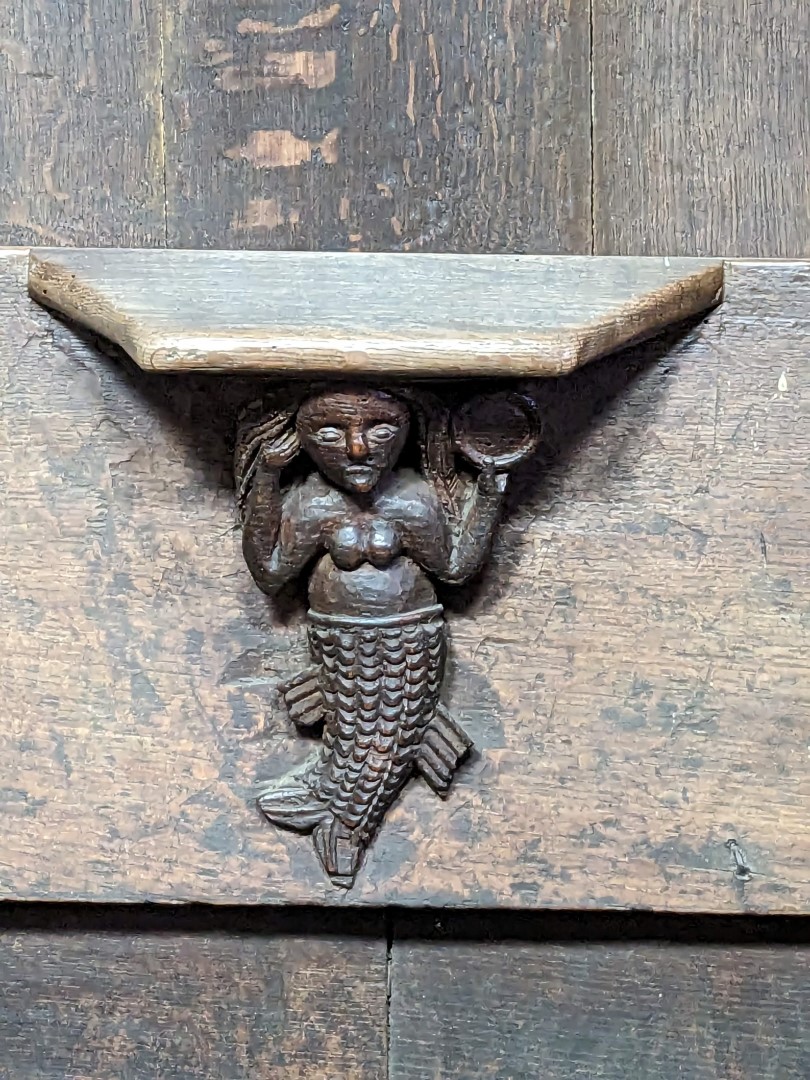
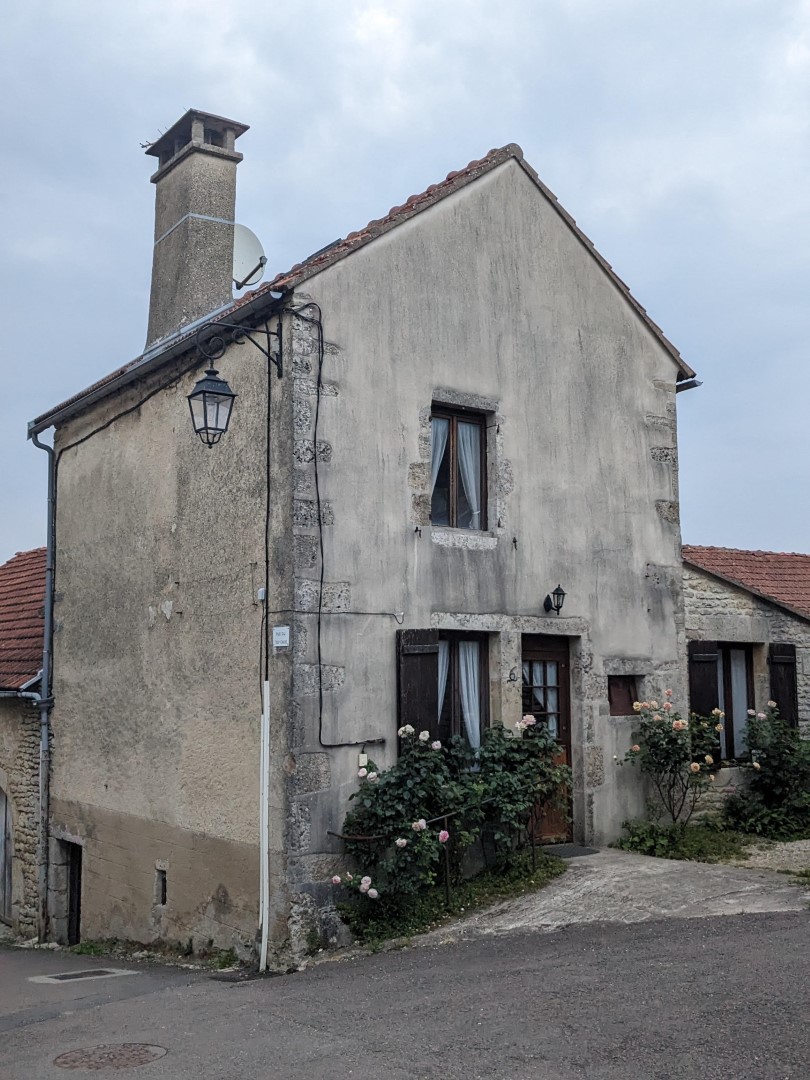
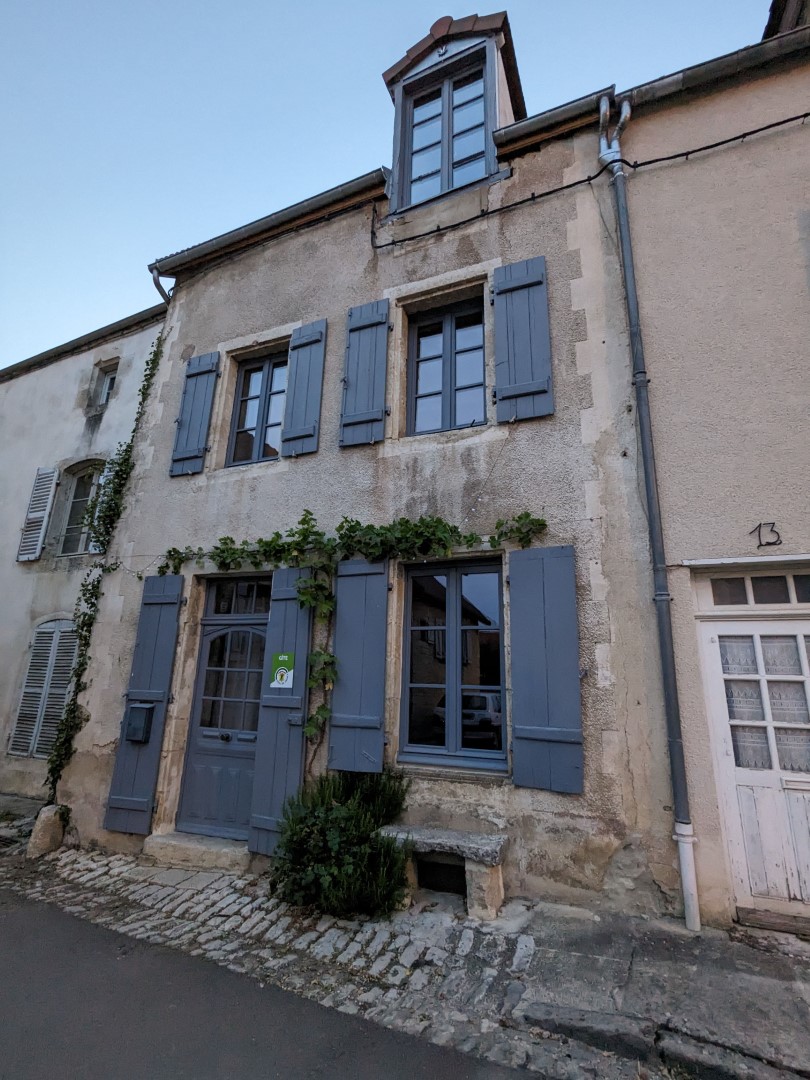
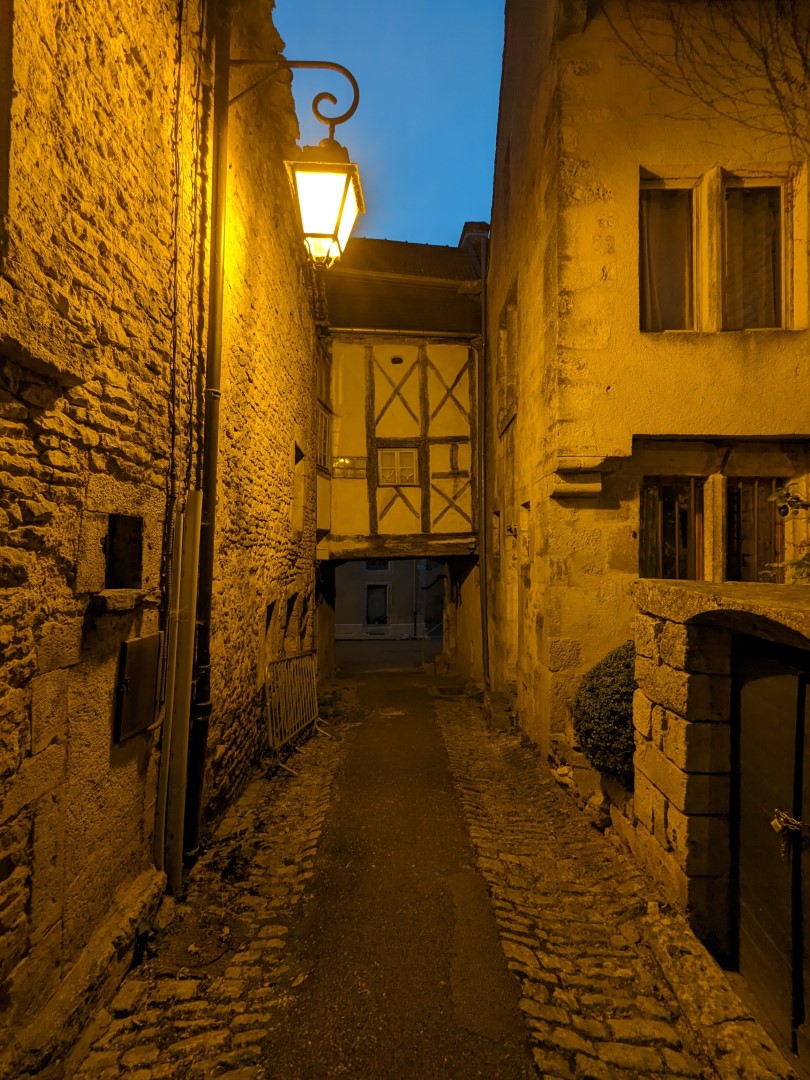
The town has been granted membership as one of France’s “Most beautiful villages” and through our evening strolls through its empty streets dotted with rough stone worked houses, delightful flower gardens and lace-curtained windows, it’s easy to see why.
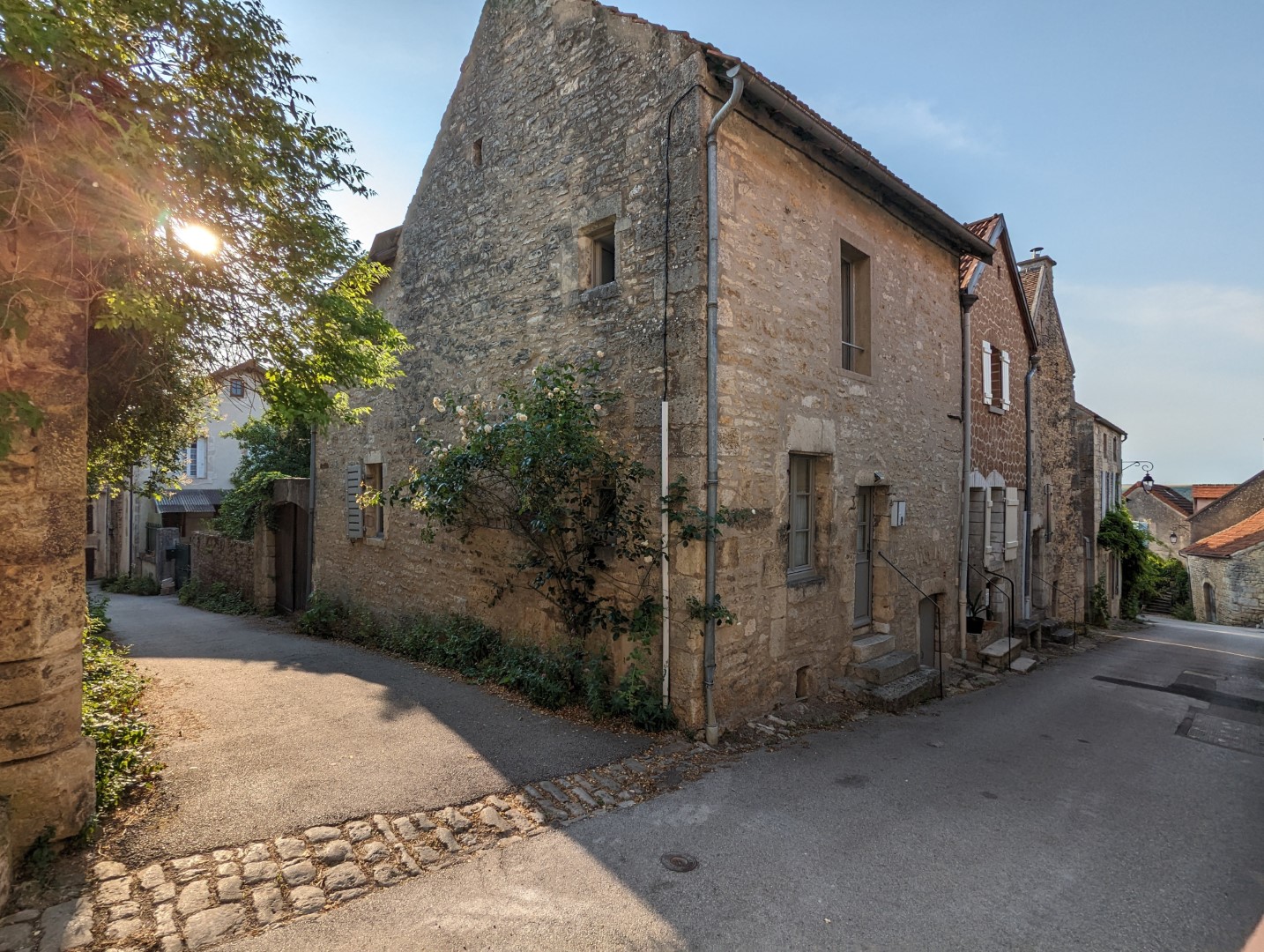
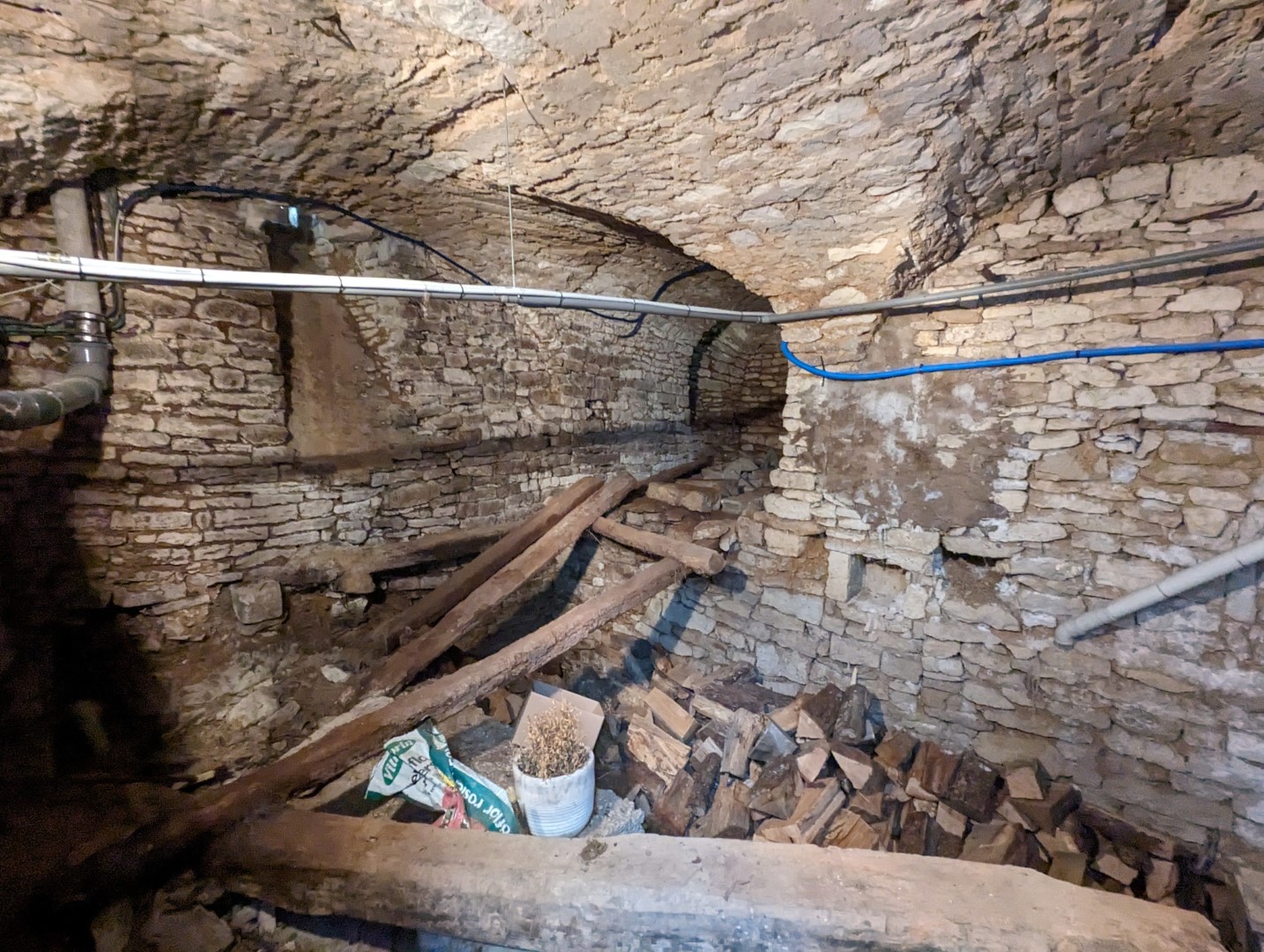

Apart from a few elderly residents watering their flowers in the evening, and the team running the town’s main attraction, the Anise of Flavigny sweet shop built inside the town’s original abbey, the village is near deserted. While there are allegedly 300 permanent residents, there are empty buildings everywhere, some with signs claiming they are in the process of renovation, and others that clearly have been deserted for years. Others act as summer homes for international owners, leaving them vacant for much of the year.


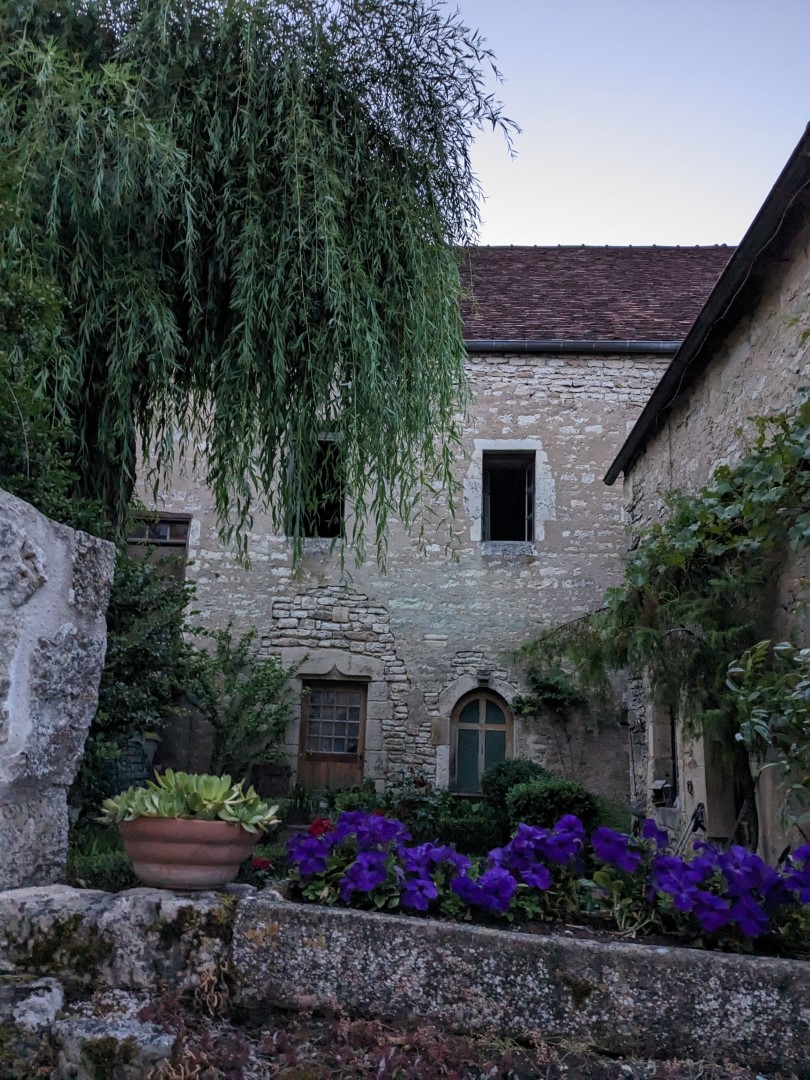


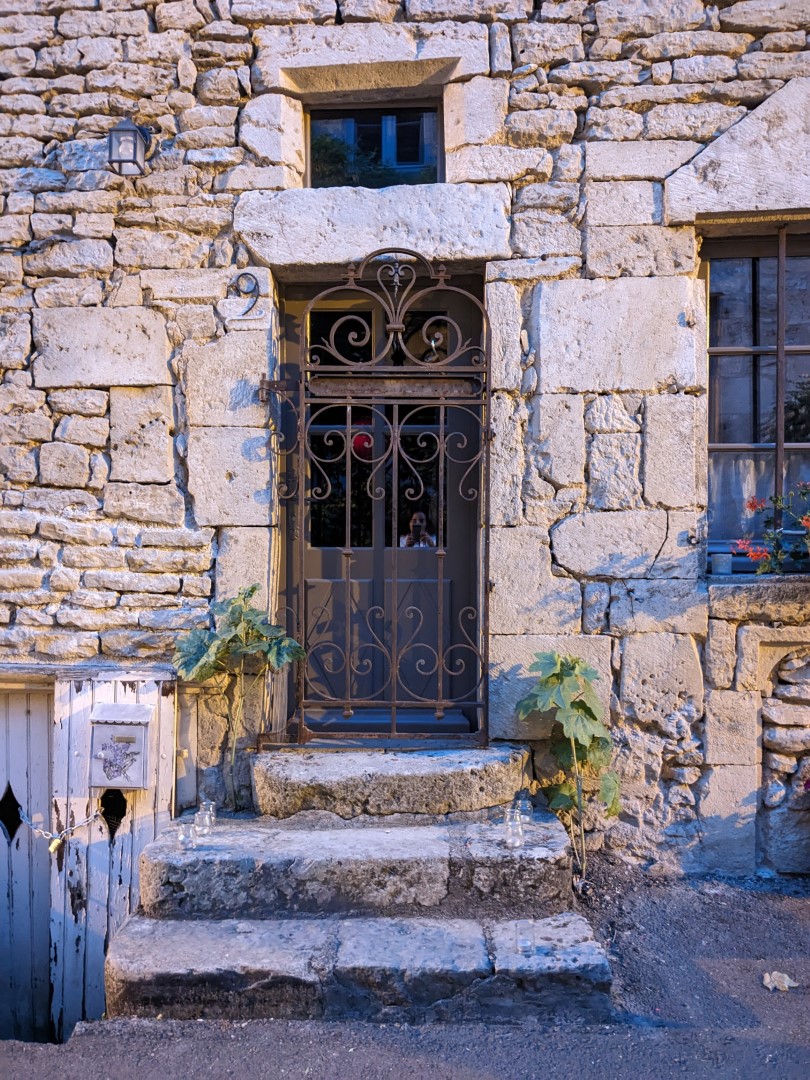
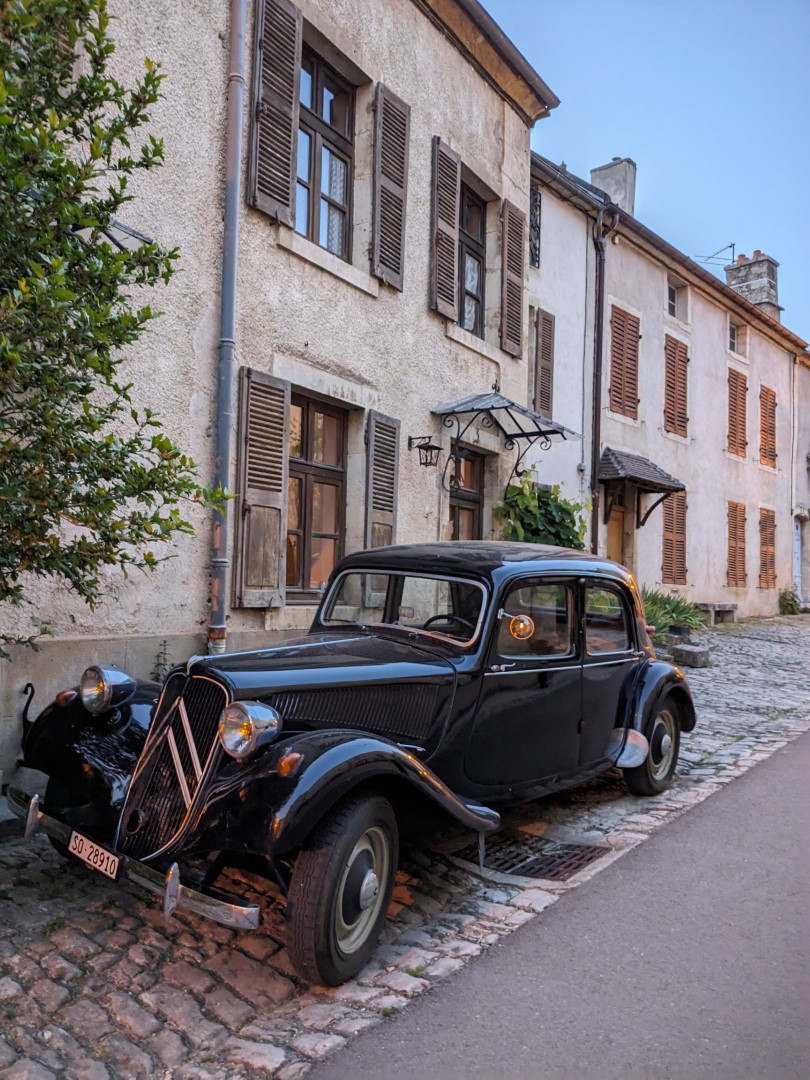


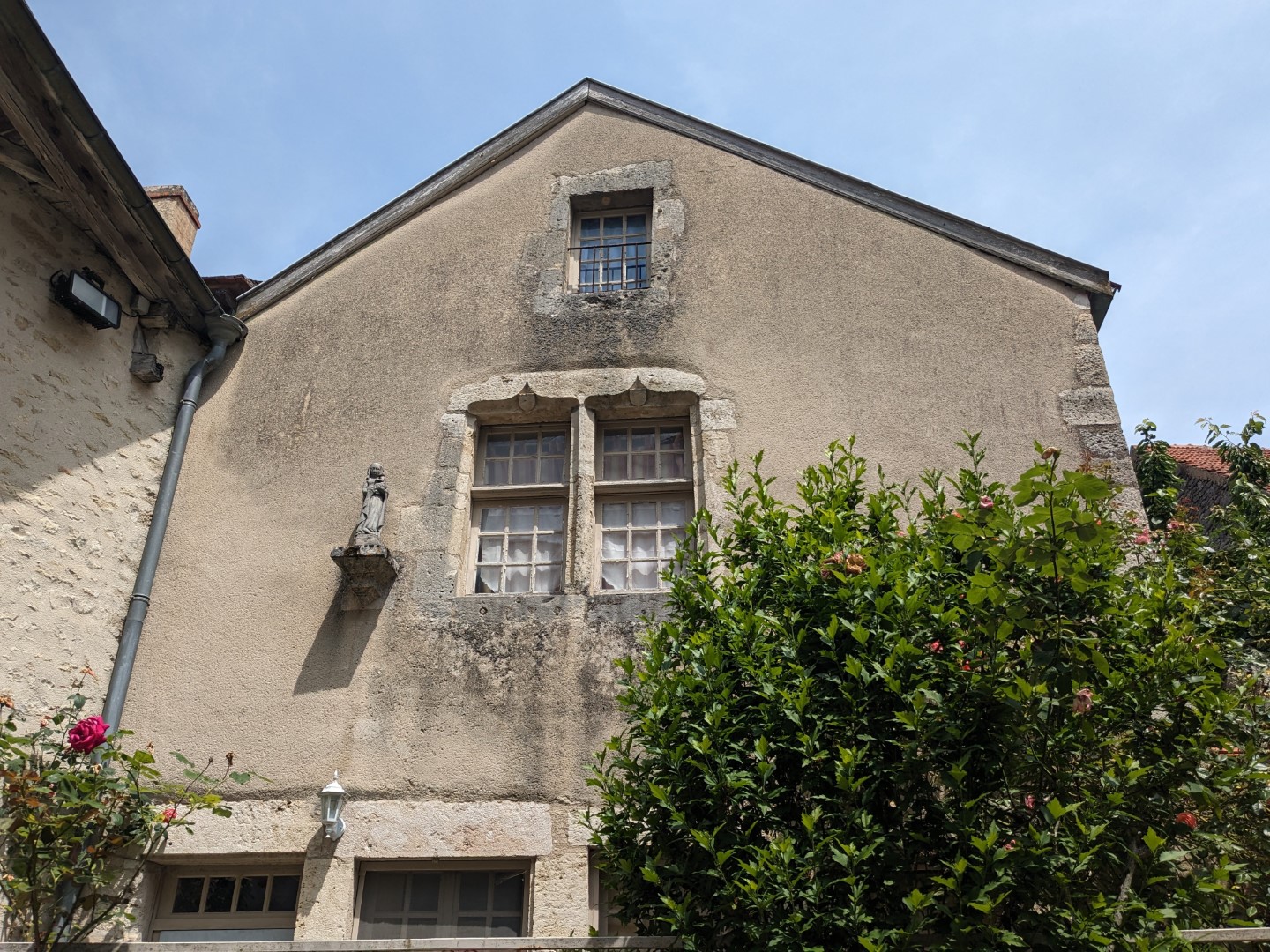
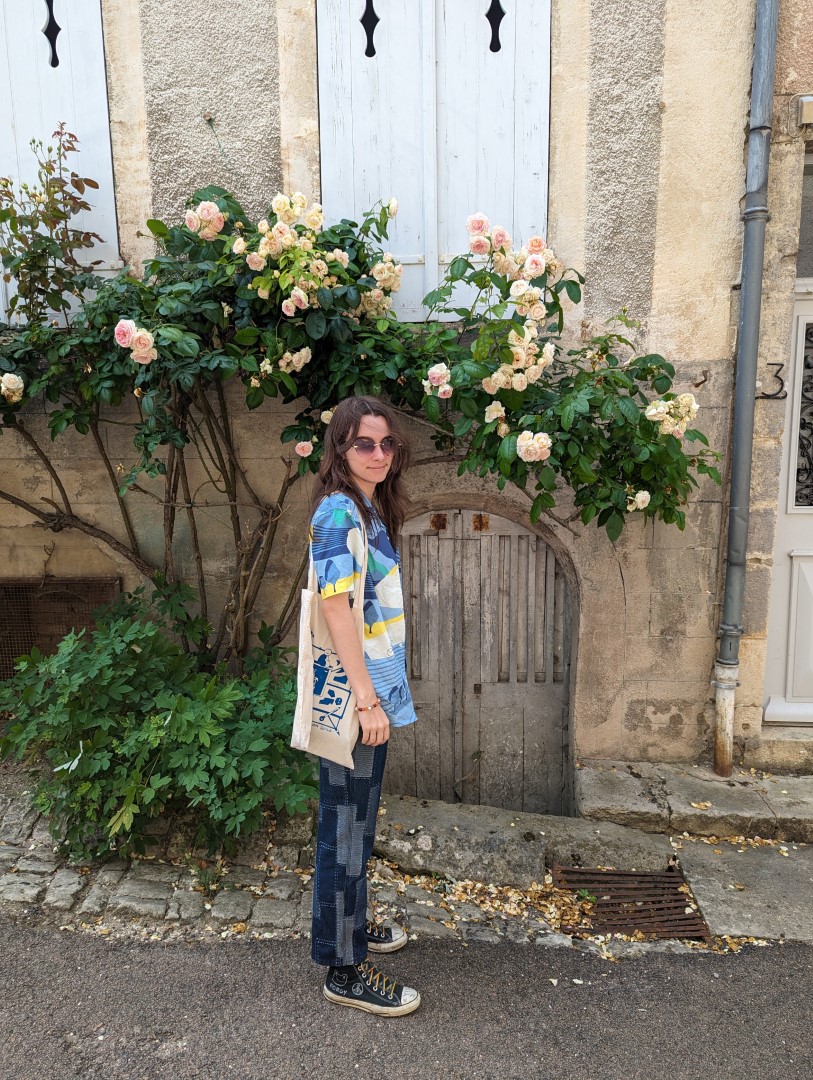
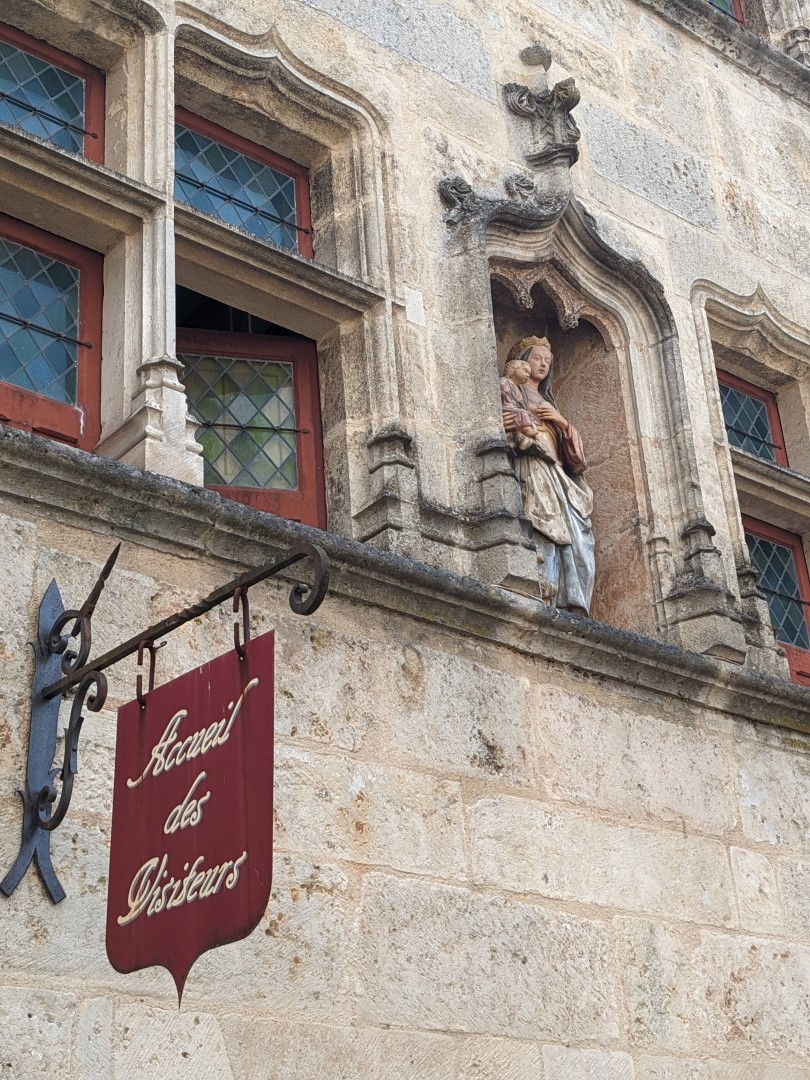
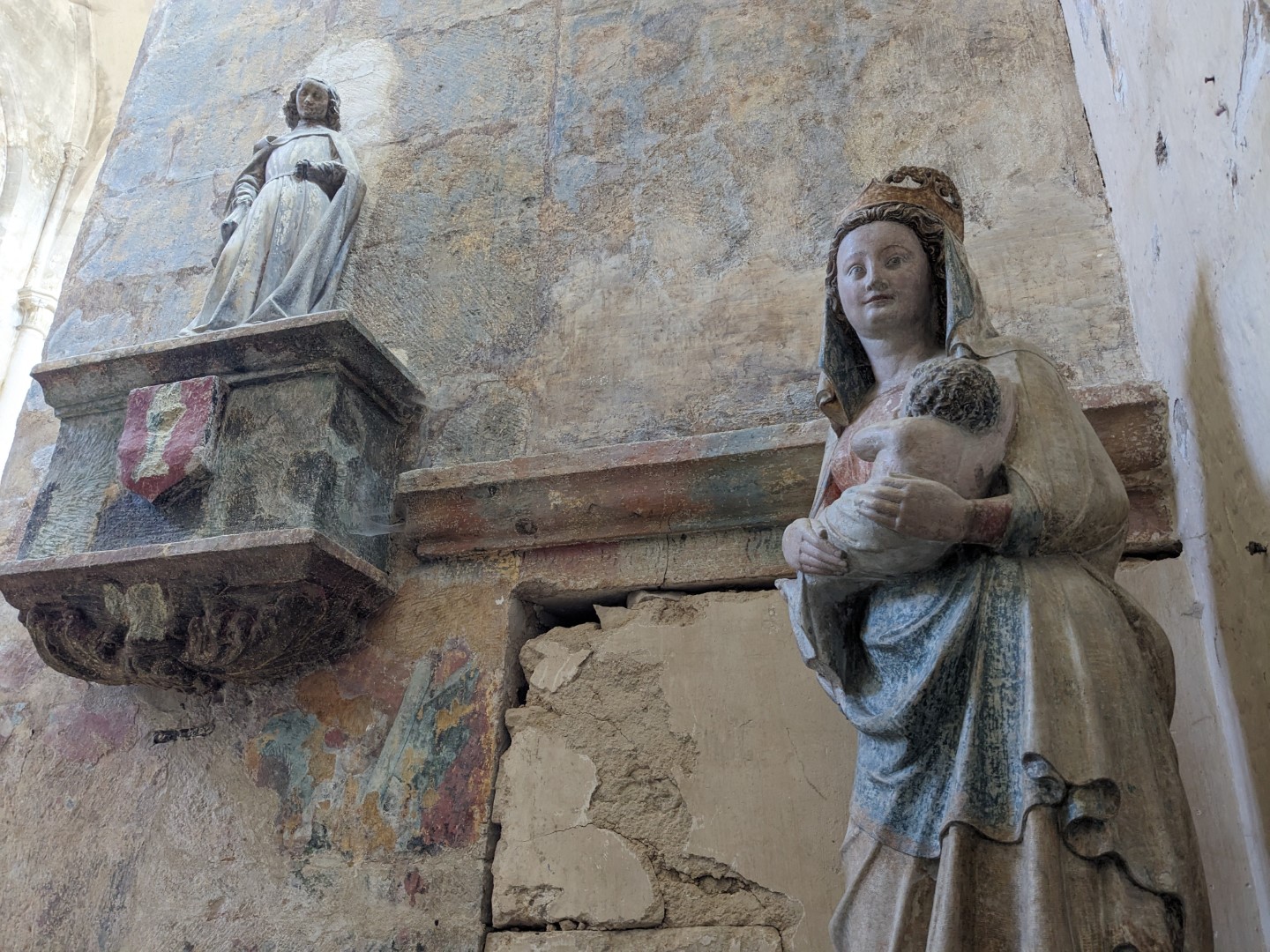
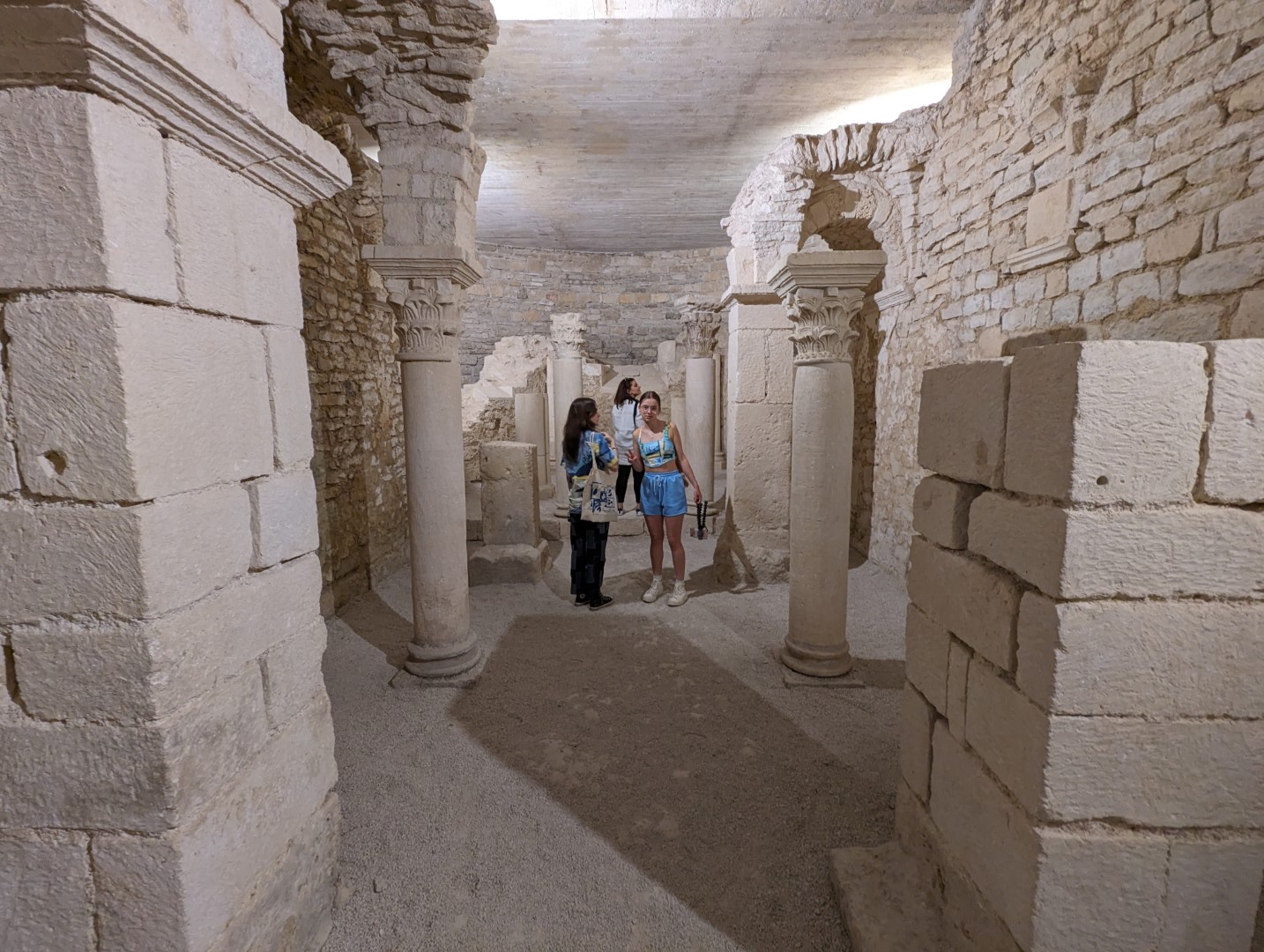
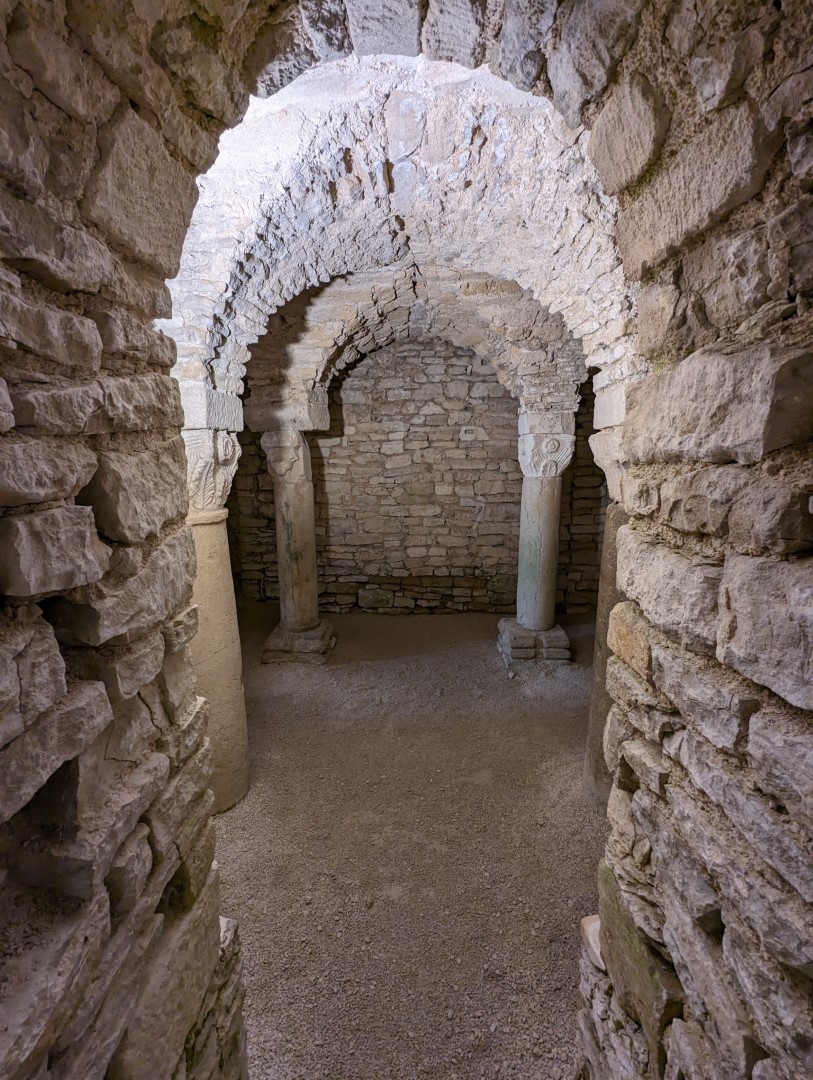
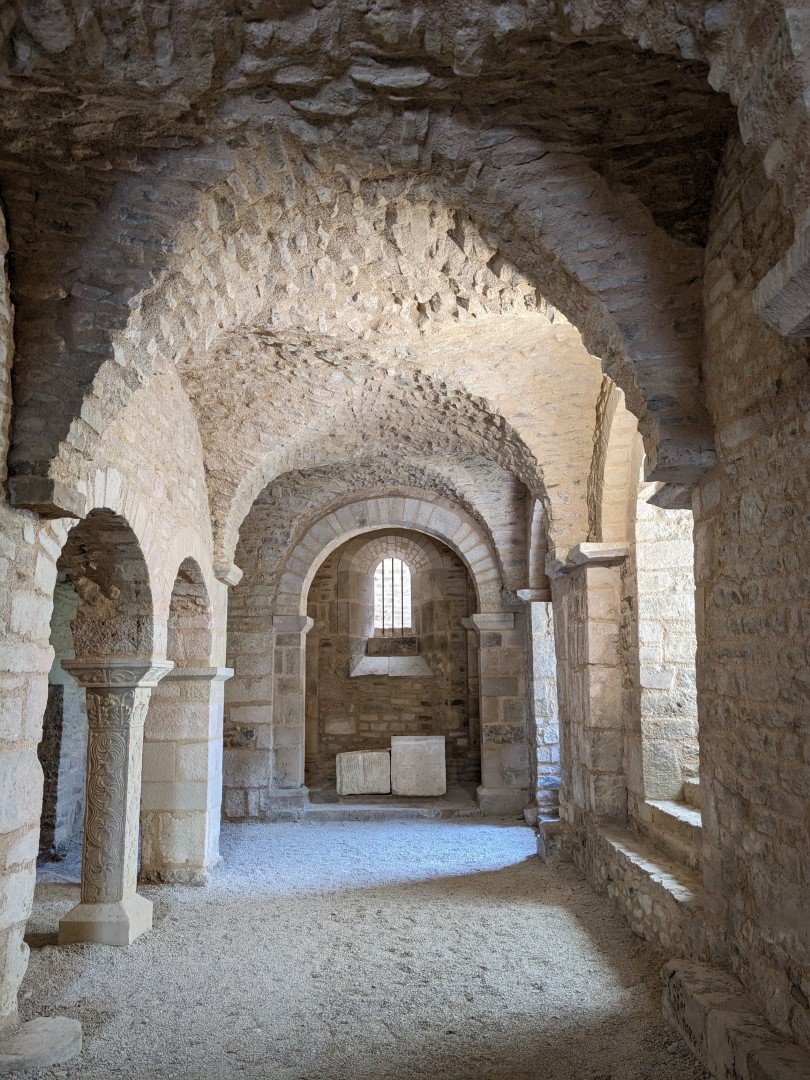
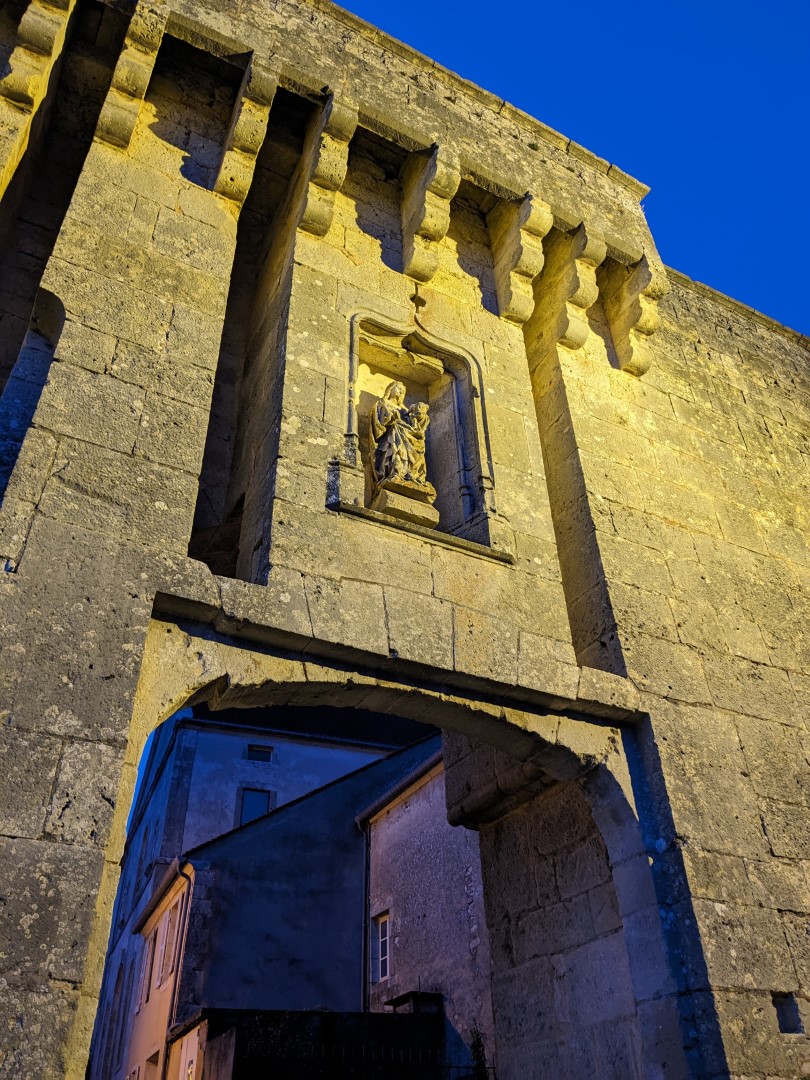
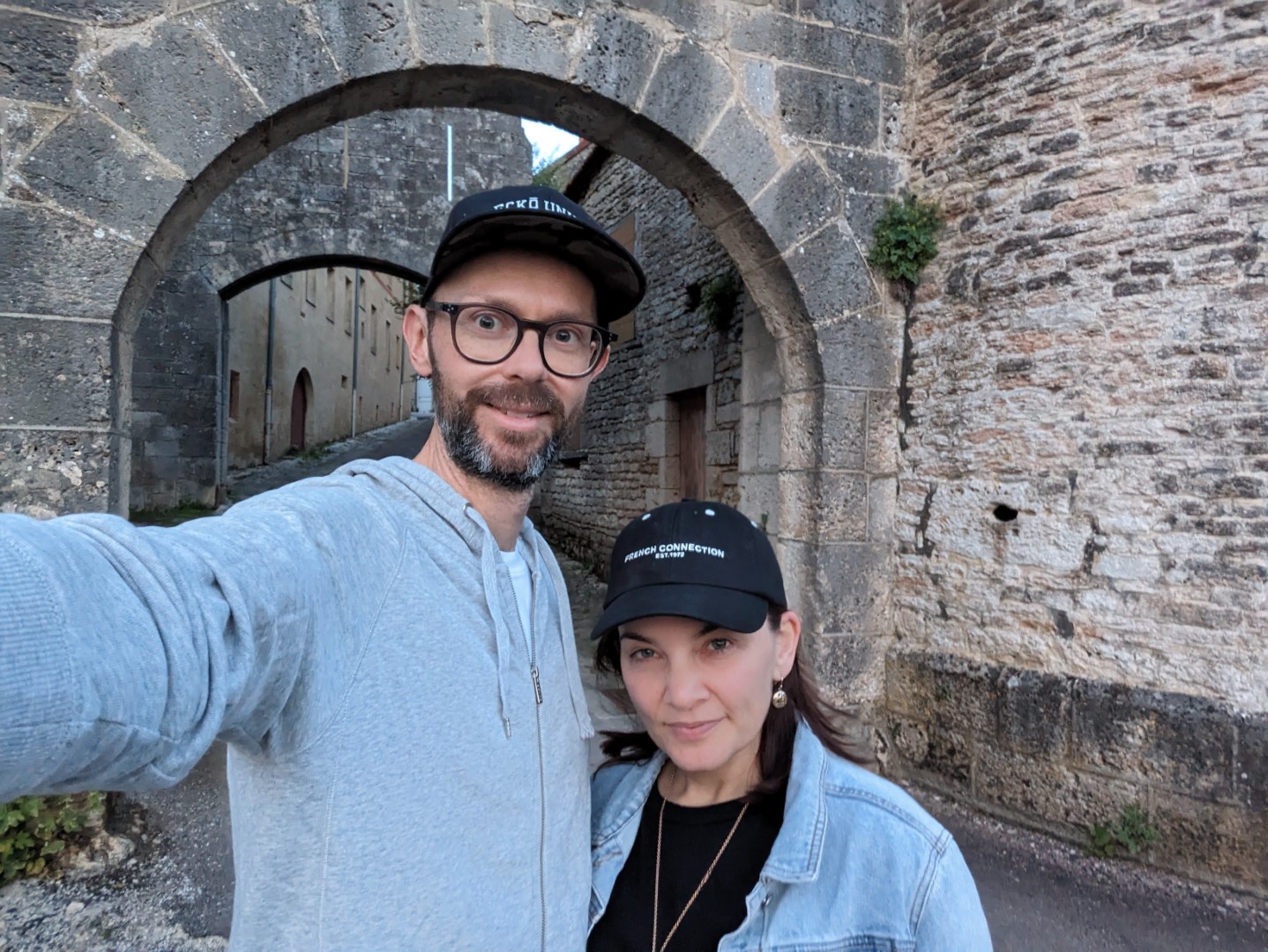
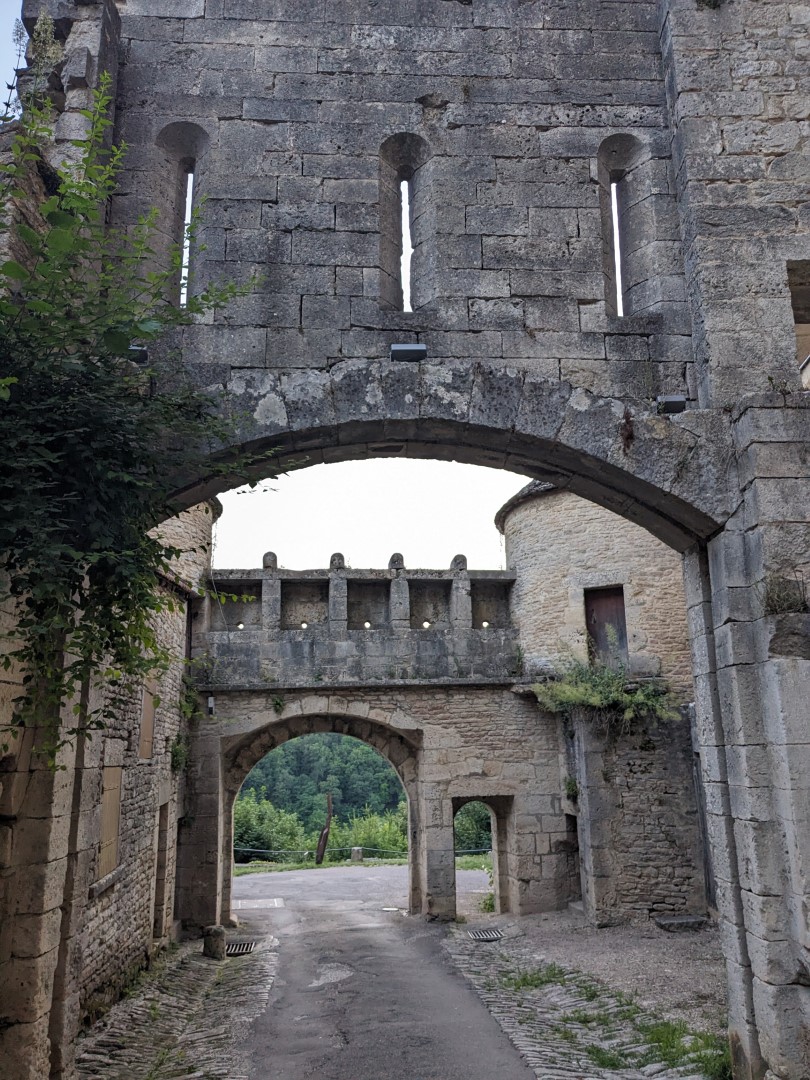
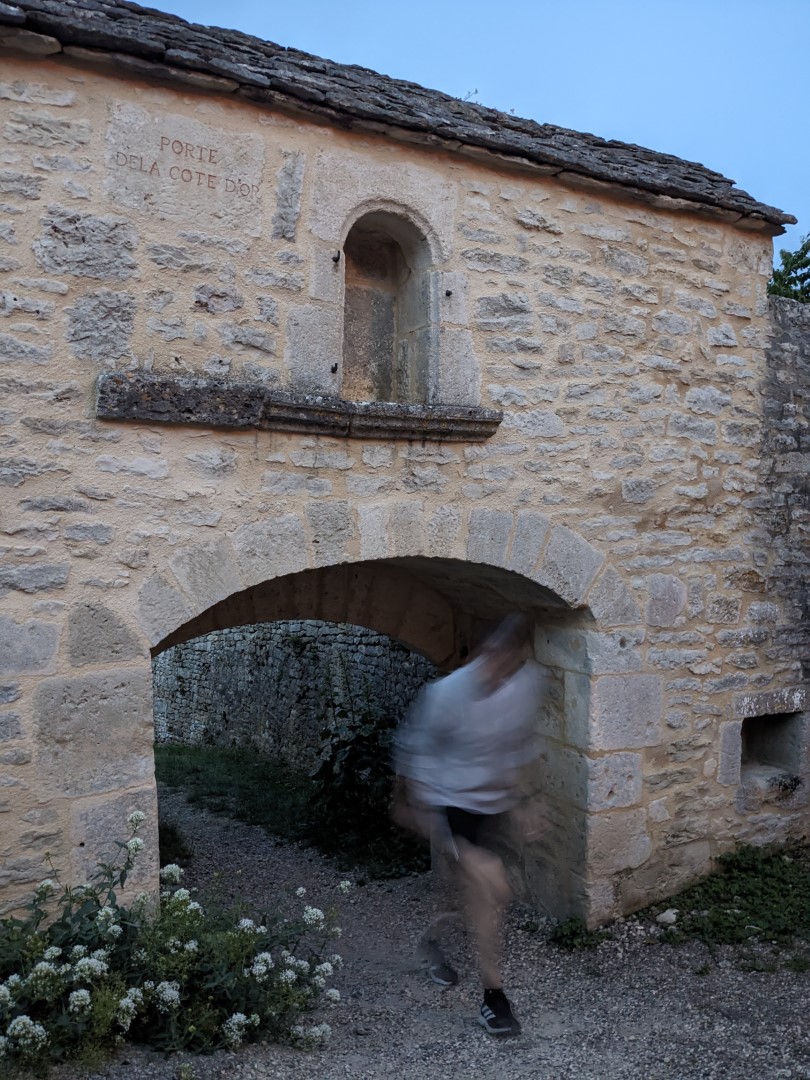
It’s difficult to imagine that centuries earlier this was a thriving town, with pilgrims streaming in to pay homage to the remains of St. Reine, whose relics (bones and chains of her martyrdom) were brought in to protect from Norman raids in the 9th century. During this time, the town was the third most popular place of religious pilgrims in all of France! Parts of the early town still remain, with archways and entrances dating back to the 13th century. There is a whole eerie crypt complex that adjoins the sweet factory that is free to wander through.

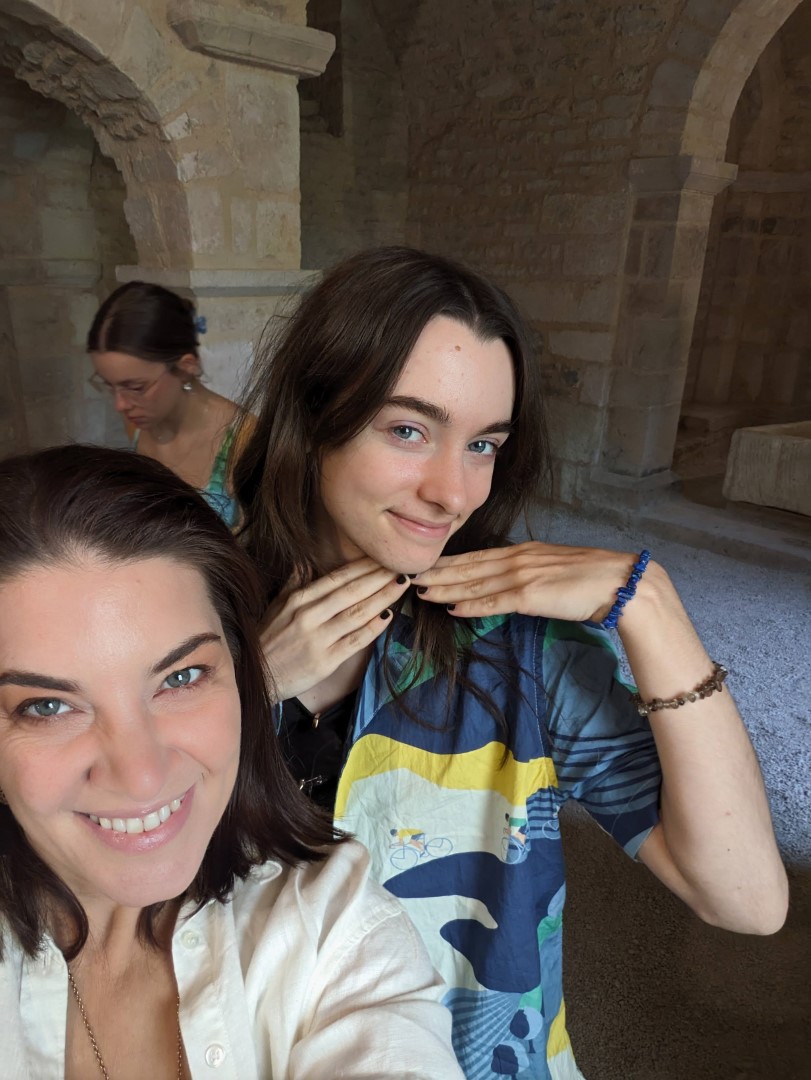
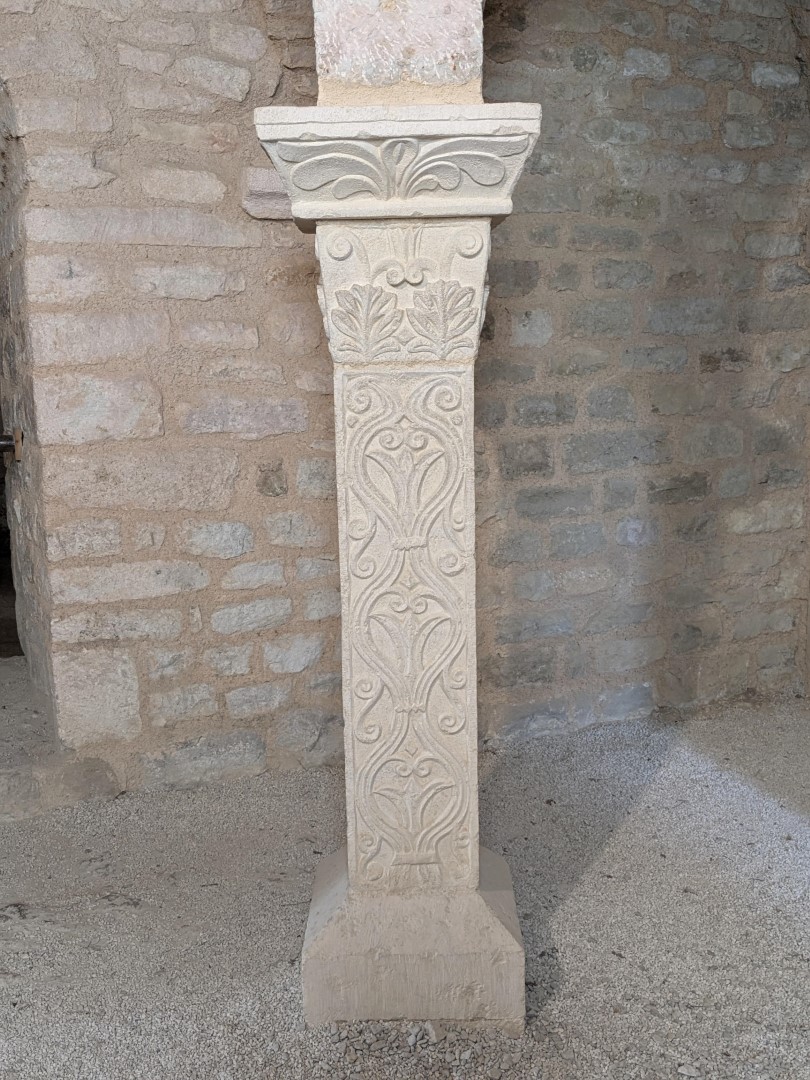

Les Anis de Flavigny continue a tradition started by the original monks of the area – coating dried aniseeds with layers and layers of sugar, now offered in a range of flavours. According to historians, in 52BC Caesar brought aniseed with him while on tour (ie stealing land) to settle the stomachs of his troops. He offered a parcel of this land to one of his soldiers, Flavinius, who named the town after…himself of course. Aniseed was planted and local monks a few decades later came up with the idea of dipping them in sugar syrup.
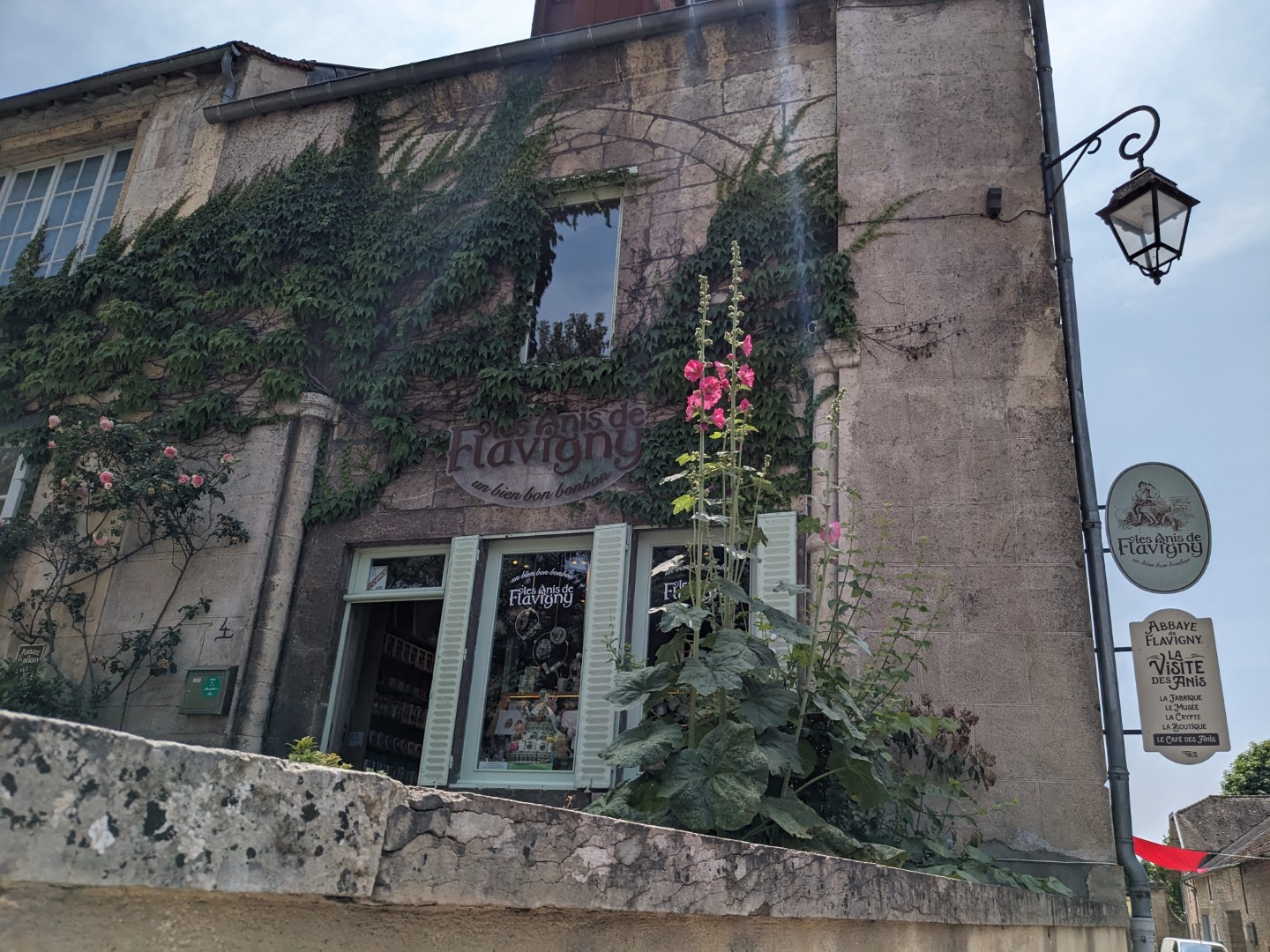

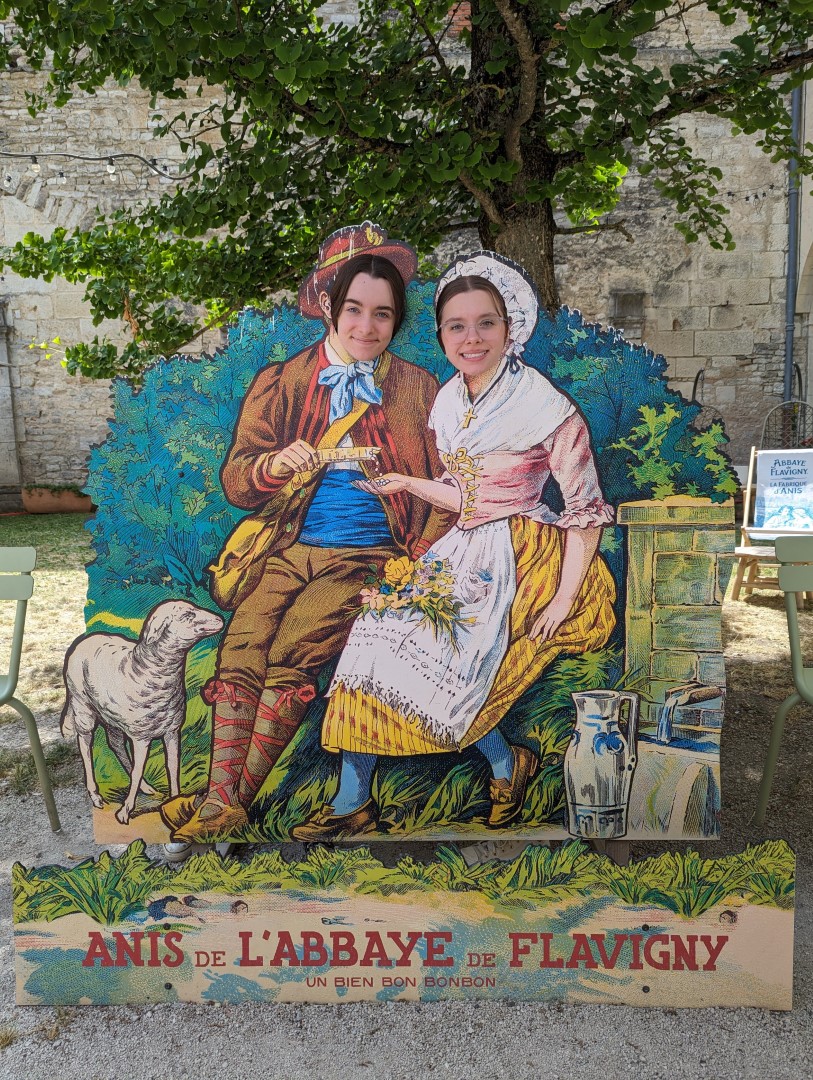

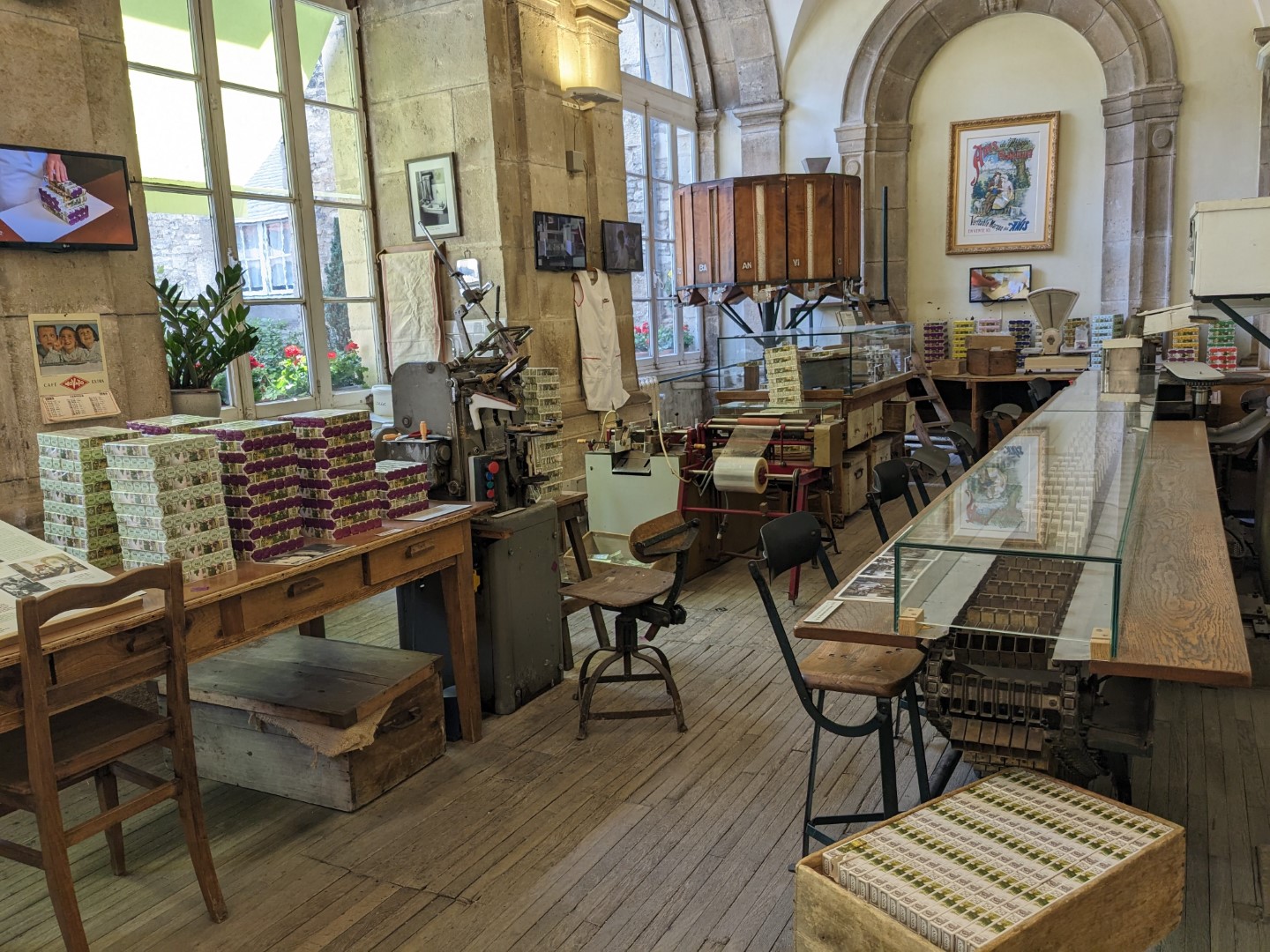
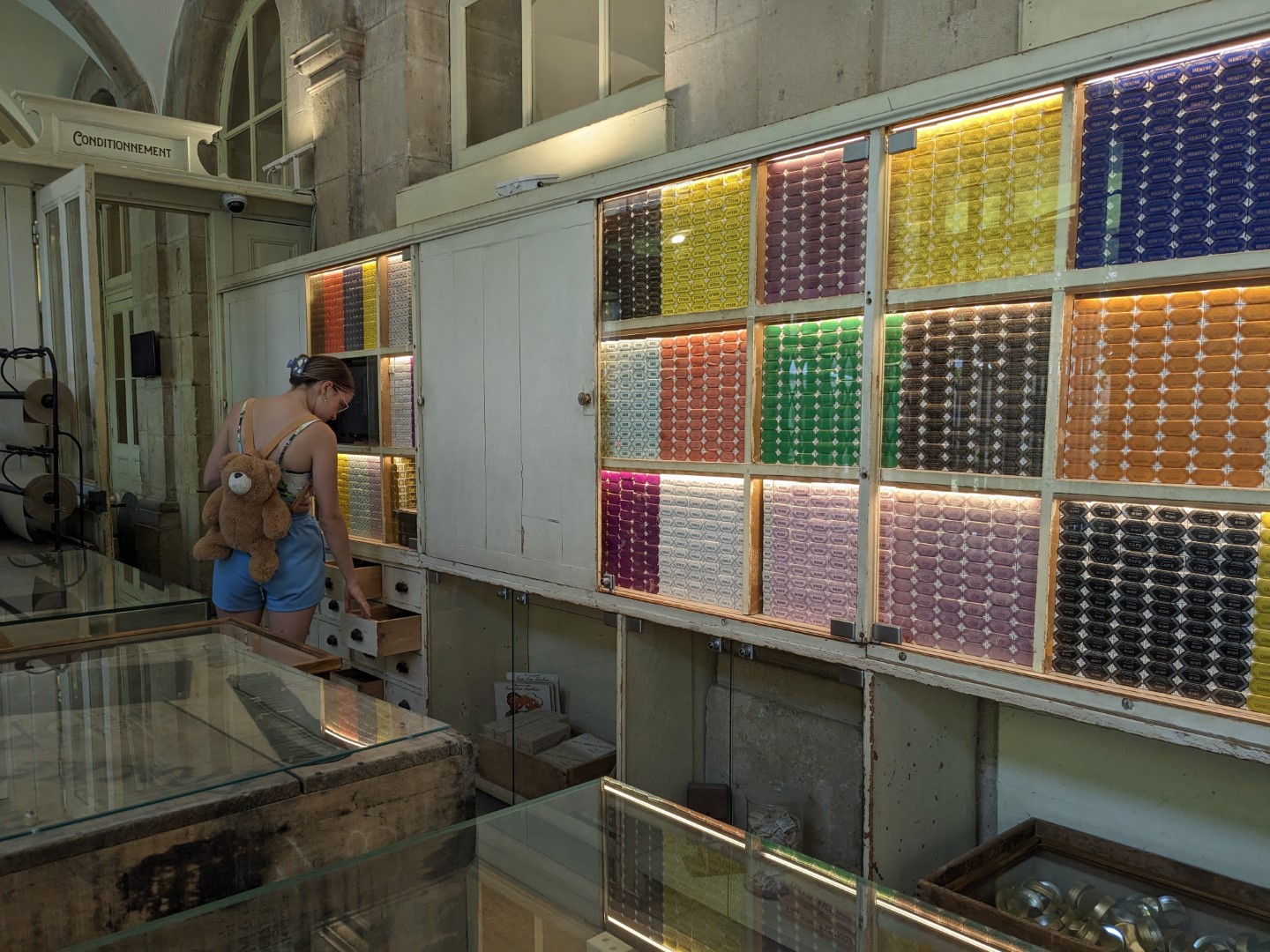

After the French revolution, monks left the abbey, and five different anise sweet makers took over production. Now, only one remains in the town, and it is clear the family-run business is headed by someone with advertising roots. The museum, packaging, everything here is exquisitely detailed, and a pleasure to visit. There are interactive areas where you can taste each flavoured sweet, guess various scents, and even create anise sweets yourself. The whole complex has the sweet smell of anise in the air. It is all free. A wonderful heart of this town, which I hope will continue to see it live on for decades and centuries to come.



 The Token Traveller