Having a car when you’re travelling through Europe (and a husband who loves the challenge of driving on the other side of the road on the other side of the planet) is a godsend, enabling us to visit places that would either take far too long, or be too complicated, to visit using public transport alone.
Our Burgundian base in Flavigny-sur-Ozerain meant that other little towns are only about a 45-minute drive away from us. We could have squeezed even more in but loved chilling in our medieval cottage in Flavigny in between intervillage visits.


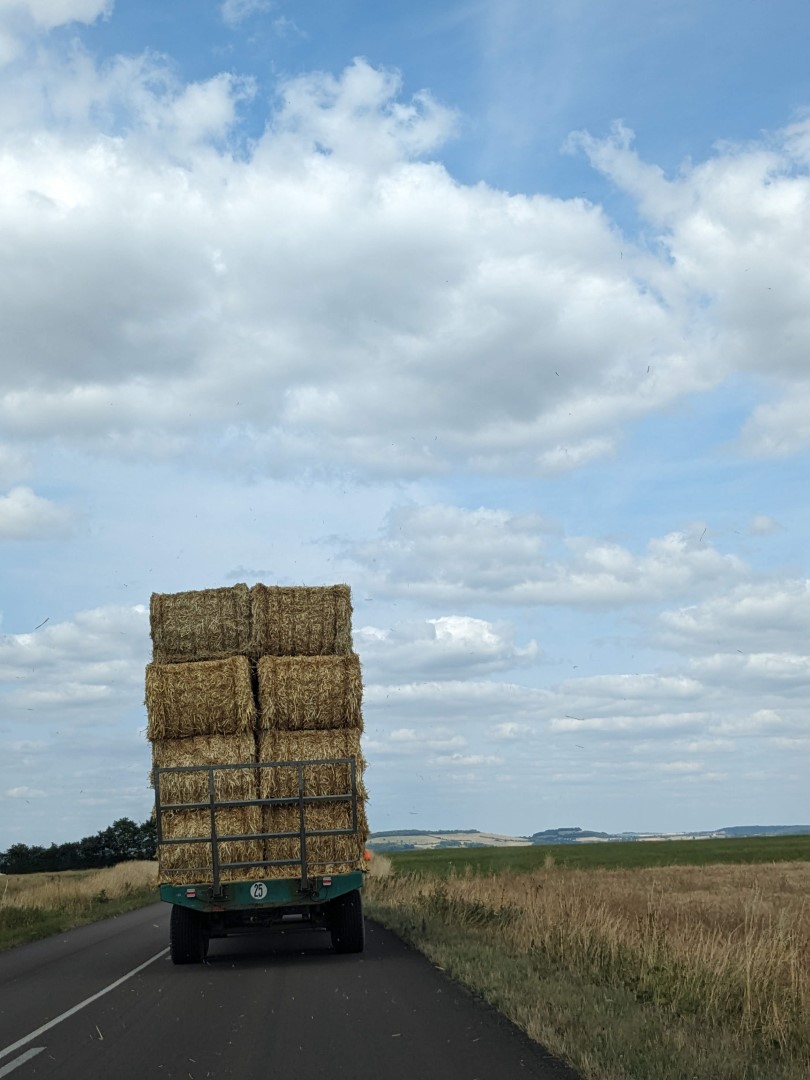
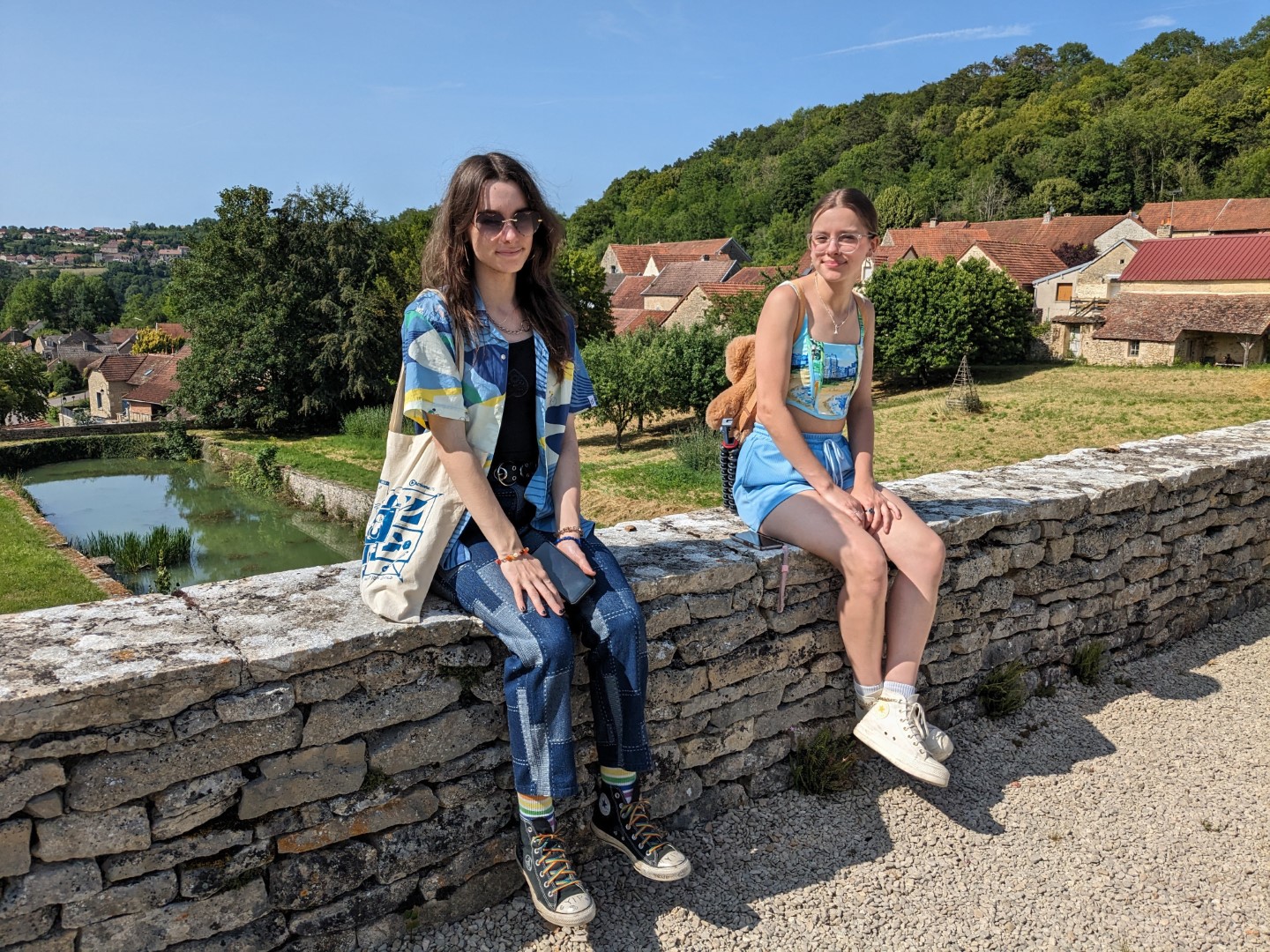

The countryside around Burgundy is not dissimilar to Australia: vast fields of wheat, cows in green pastures, monolithic windmills soaring into the skies. The main difference is the stone villages dotted across the landscape, mostly in a state of disrepair, whose residents are servicing the country with dairy products, grains and wine.
The local celebrity of the area, whose visage stares down nobly at you from supermarkets, shop fronts and grain silos, is Vercingetorix “the great chief of the brave” (80-46 BC), Gallic king and war hero. He united the Gauls to try to stop Julius Caesar and his armies on numerous occasions from taking over the region. In the Battle of Alesia (about 5 minutes from our town), his campaign was unsuccessful. The Gaulish army of 12,000 horsemen and 80,000 foot-soldiers was defeated by a Roman contingent of 40 to 50,000 men. He surrendered and was later executed in Rome.
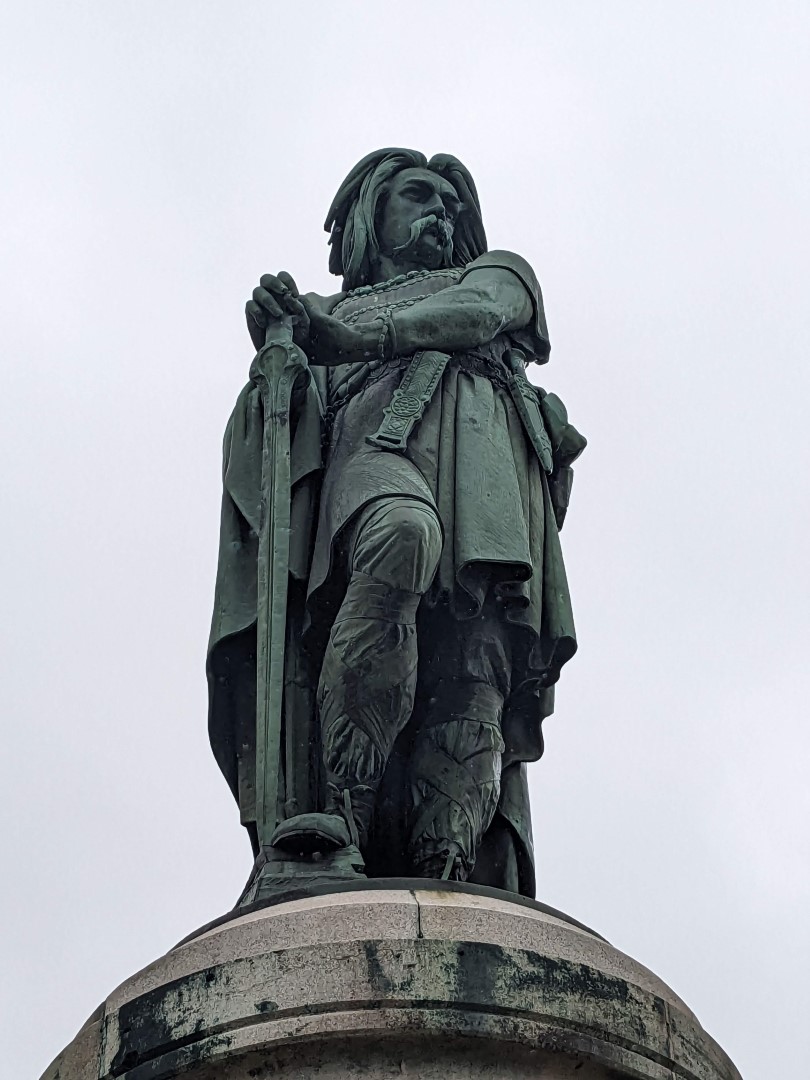
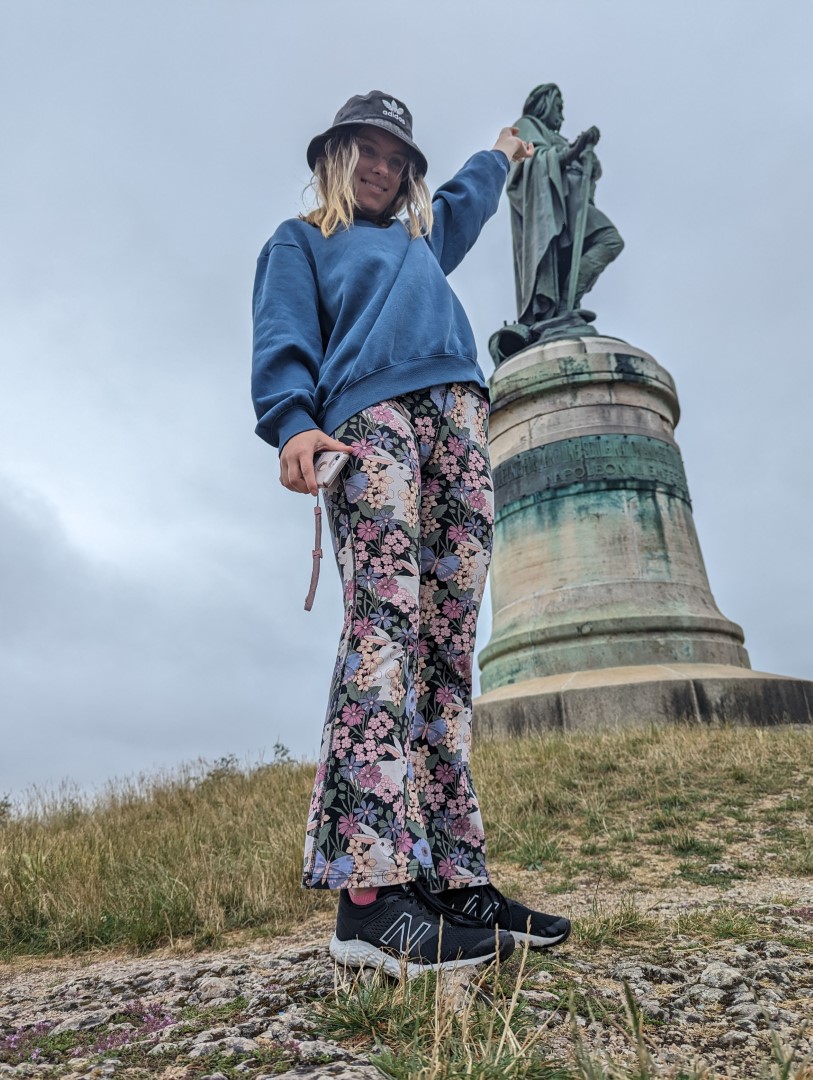
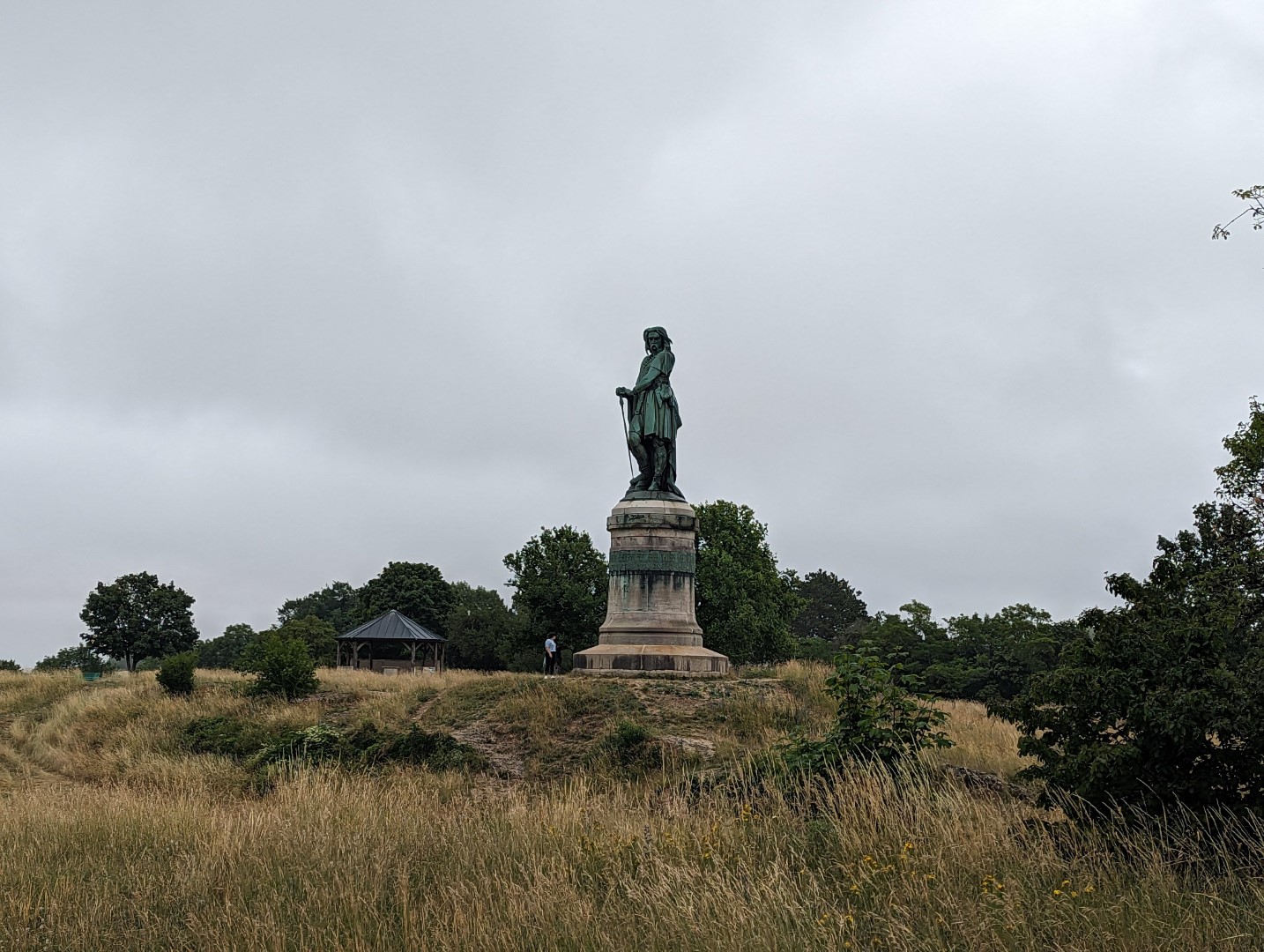
Napoleon ordered a 7-metre high statue (using his own face as a model) to be erected of Vercingetorix in 1865 at the site of the Alesia campaign to celebrate his courage and strategic decision-making. He is an imposing, powerful figure. The inscription reads:
Gaul united,
Forming a single nation
Animated by a common spirit,
Can defy the Universe.
Chateau of Bussy-Rabutin
Another local celeb, possibly without the same level of honour, credibility or heroism as Veringetorix is Roger de Bussy-Rabutin, ex-resident of Chateau de Bussy-Rabutin. Yes, he did start his career as a military commander, leading his first campaign at 16 years old, and followed his old man into other key army roles, winning over king Louis XIV and being named colonel general of the light cavalry in 1653.

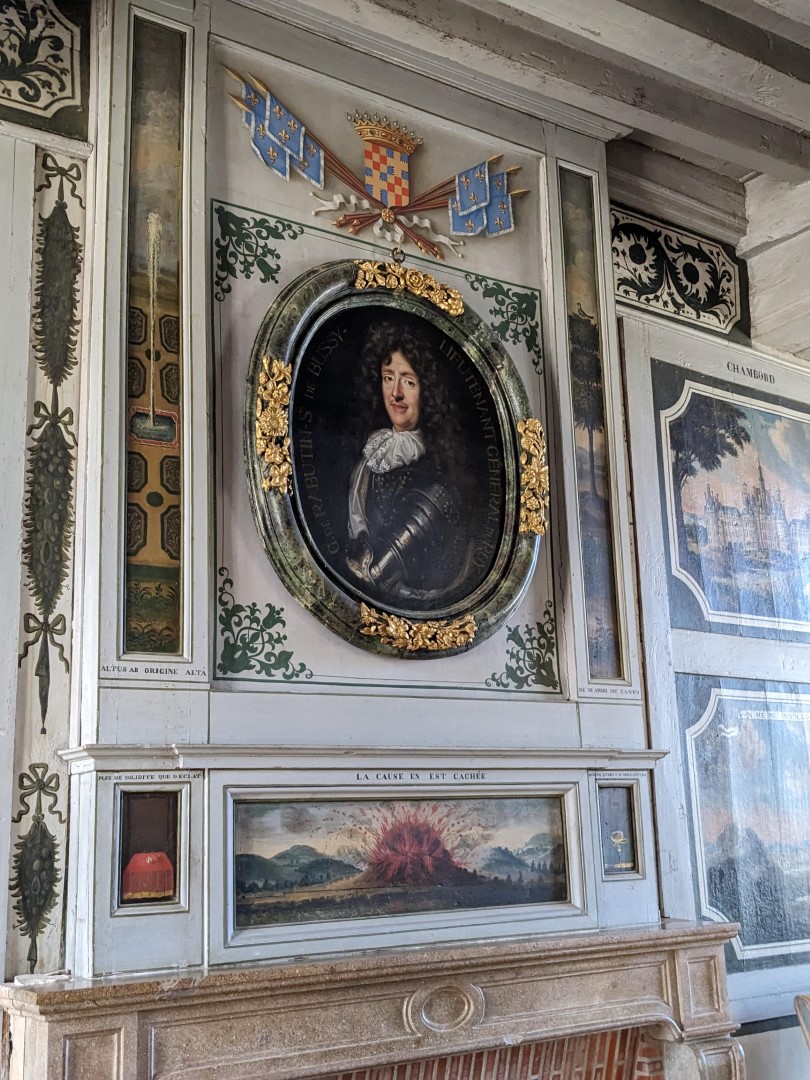
BUT, he first ran into trouble at 23 after getting involved in some illegal salt trafficking. He mocked romantic entanglements in the French court, changing names ever so slightly (hello Bridgerton), and getting his writing published and shared among nobility. He held wild parties on religious feast days. He wrote about the king’s love affairs. He was basically a massive gossip queen, and the king had enough of his shenanigans, banishing him from court and ordering him to exile in his enormous country chateau in 1665. Roger, poor dear in his country pile, kept himself busy interior decorating and sucking up to nobility by having paintings of them copied for his chateau (as well as copies of other famous paintings…I thought the “Michelangelo” portrait below looked familiar!)


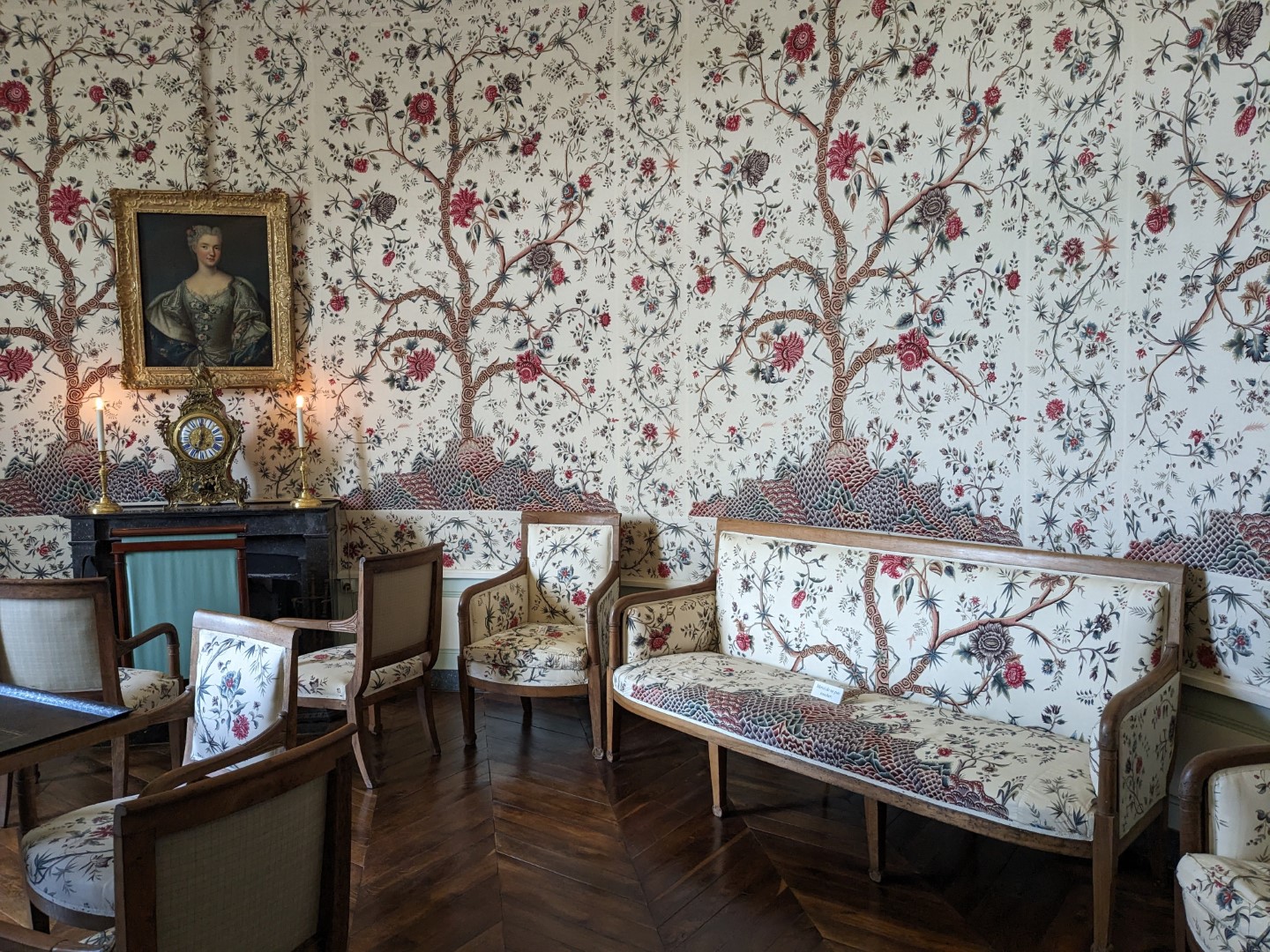
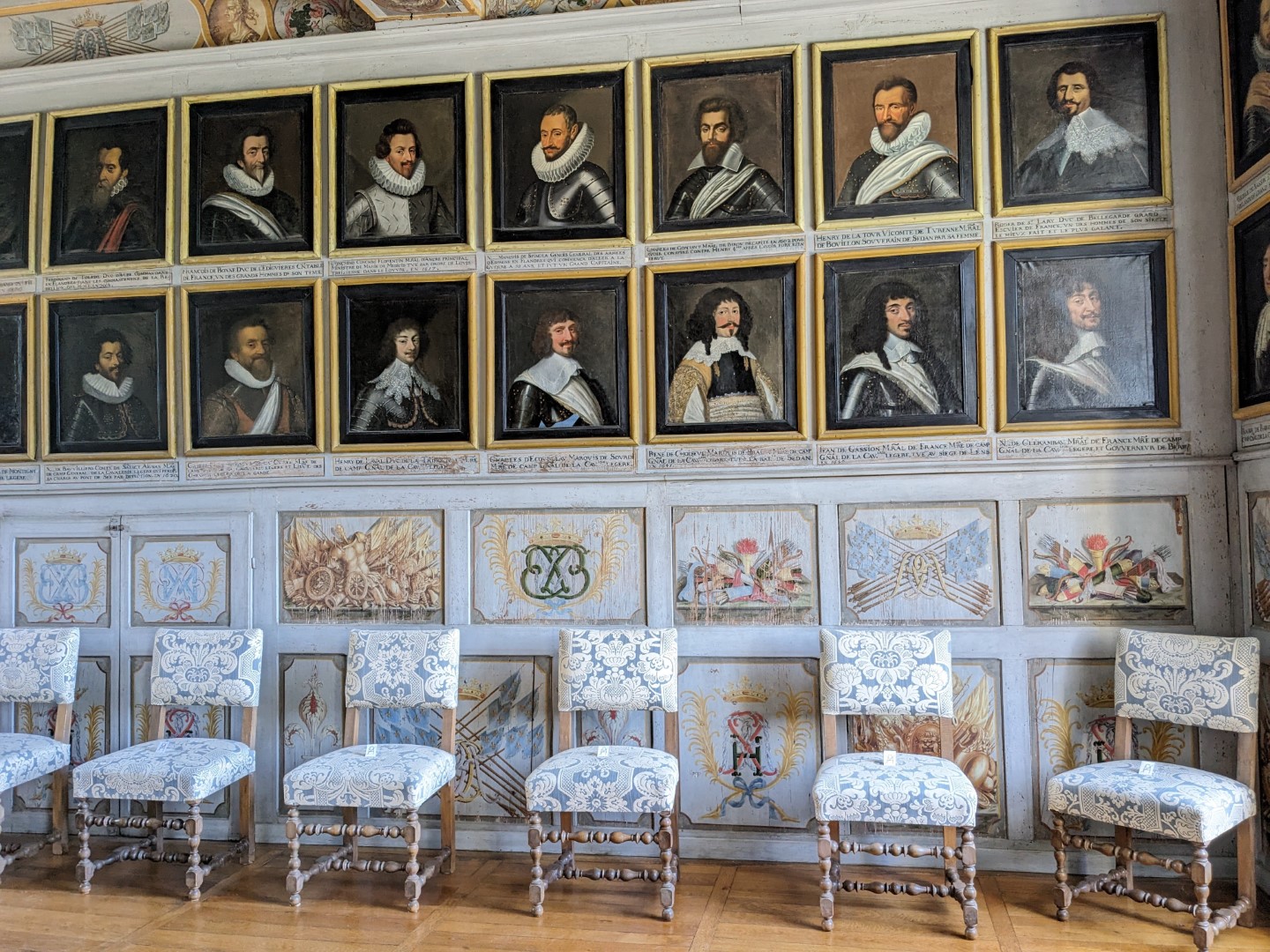
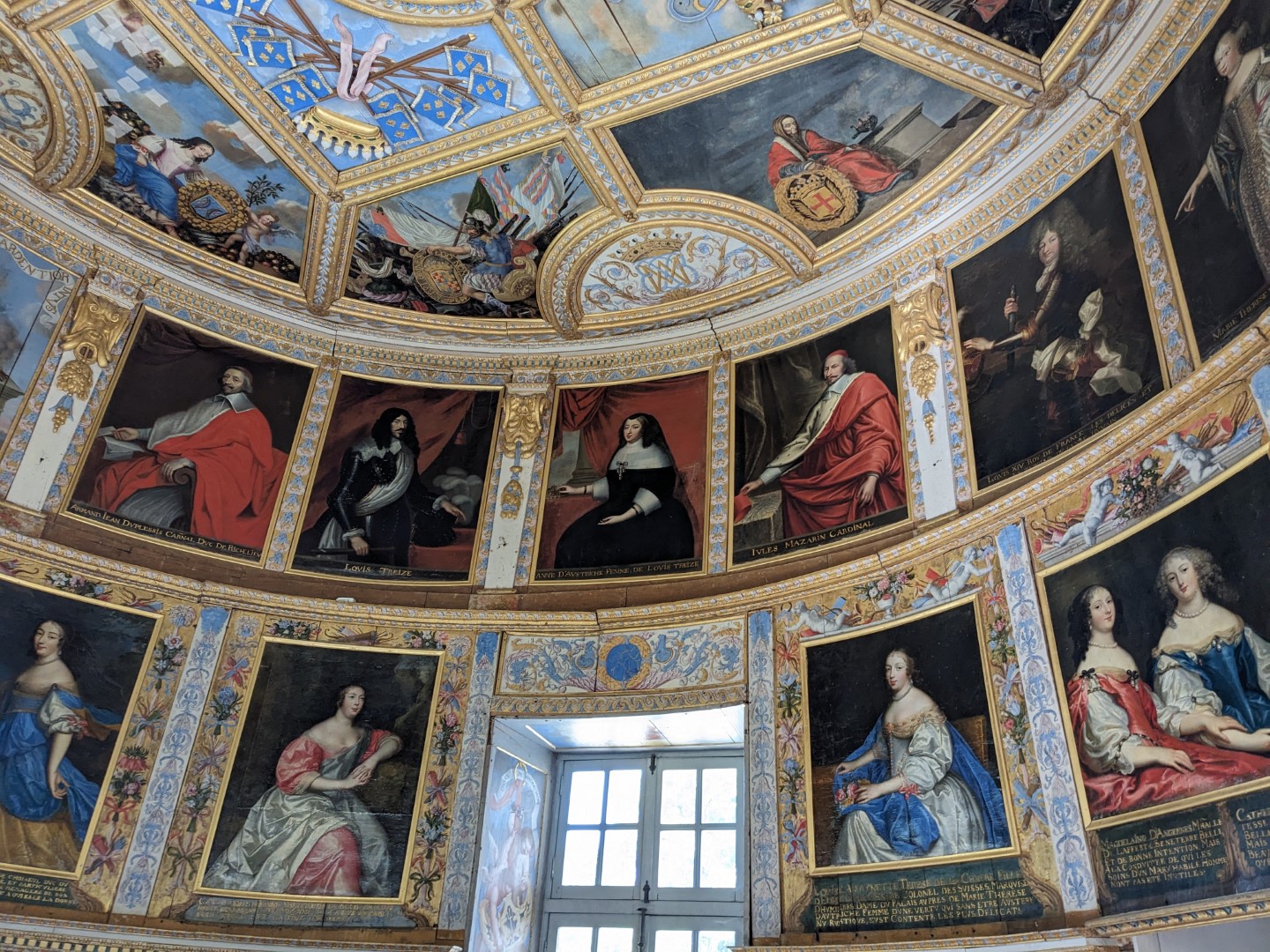

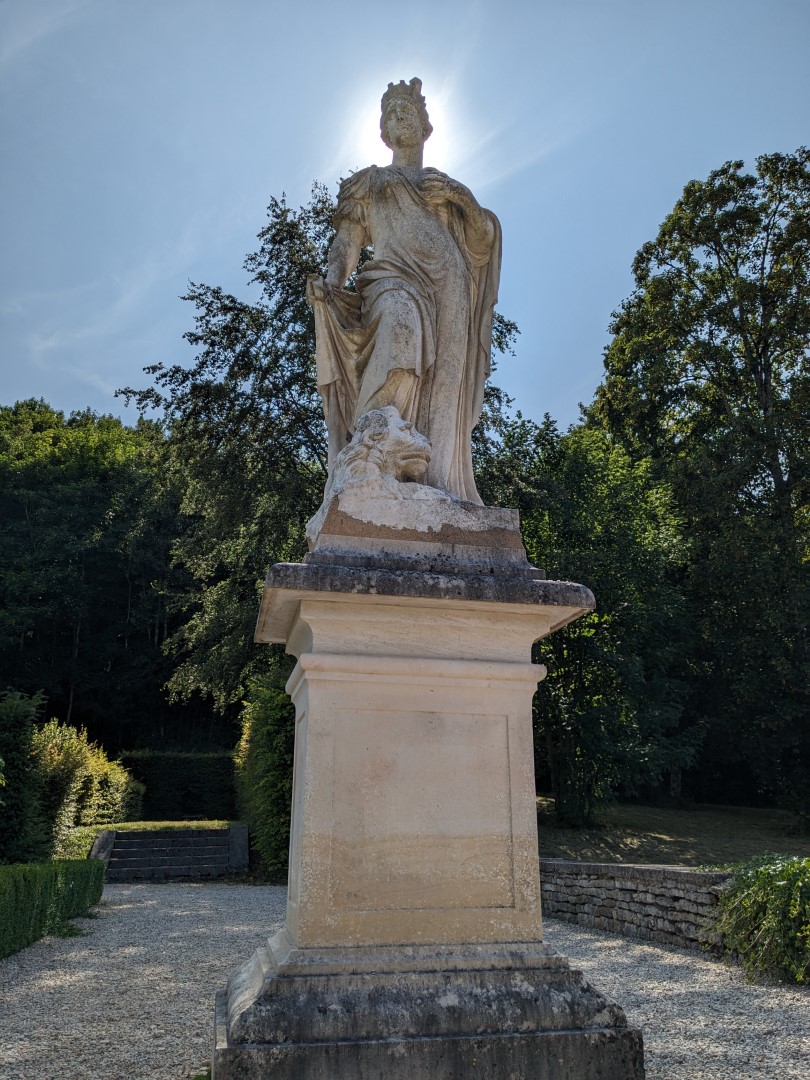
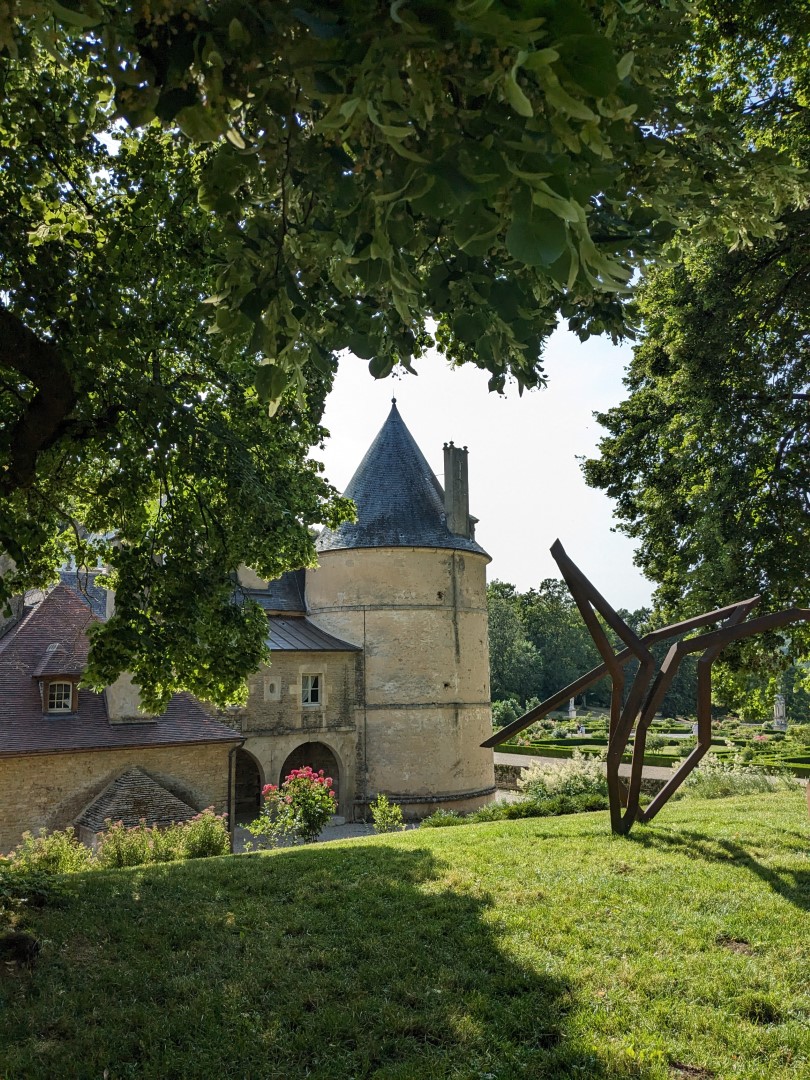
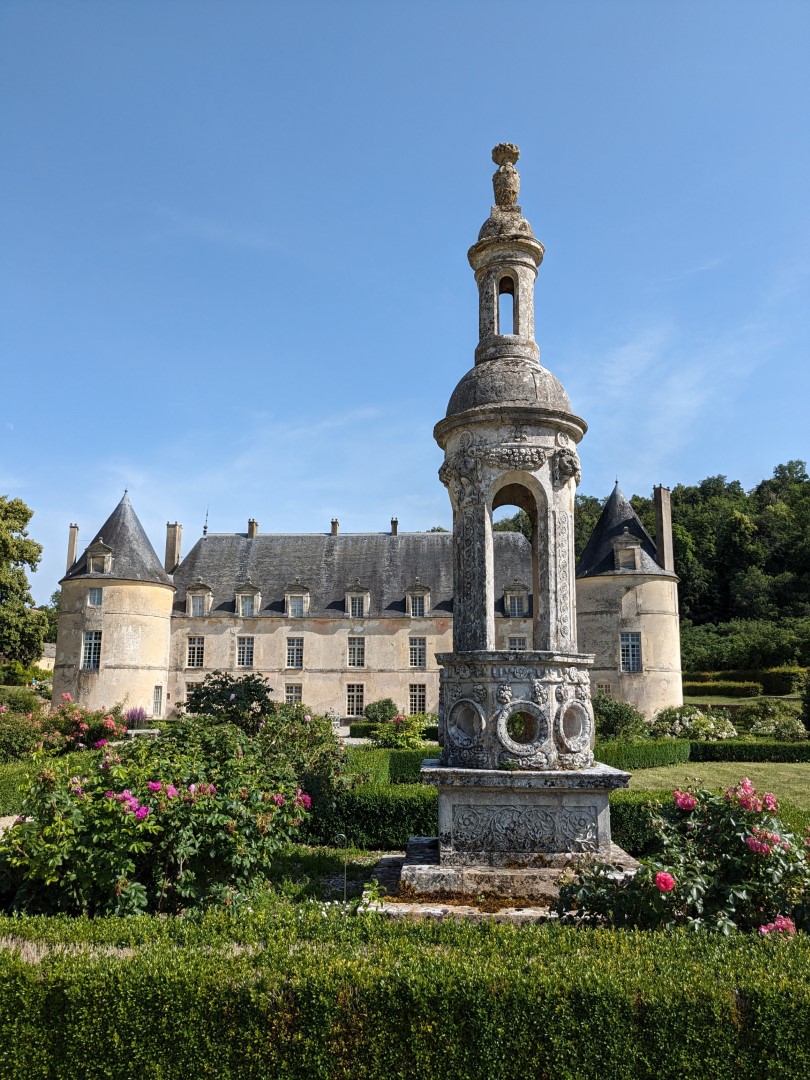
The house and gardens were beautiful. Check out the amazing pigeon house which included a spinning ladder to tend to every bird. But you could feel the desperation in all the portraits lining the walls. A man who longed to fit in with nobility, but whose acid tongue and bitchy tendencies had him cast out.



Avallon
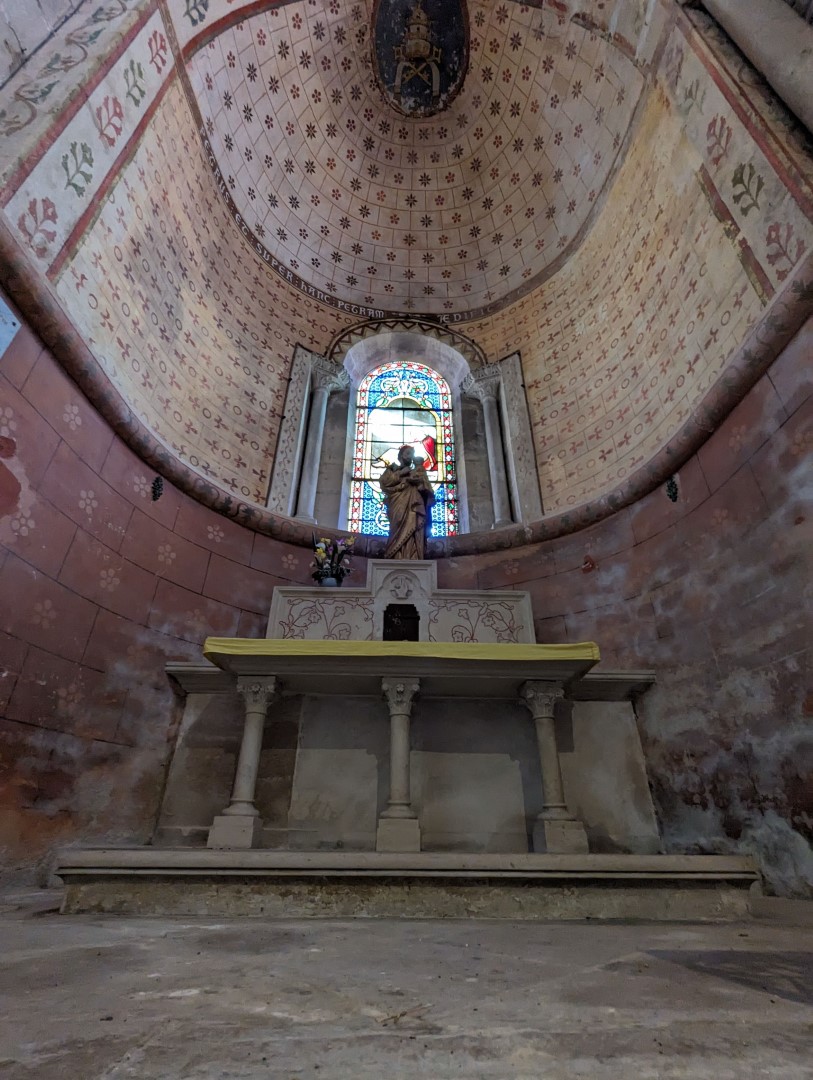
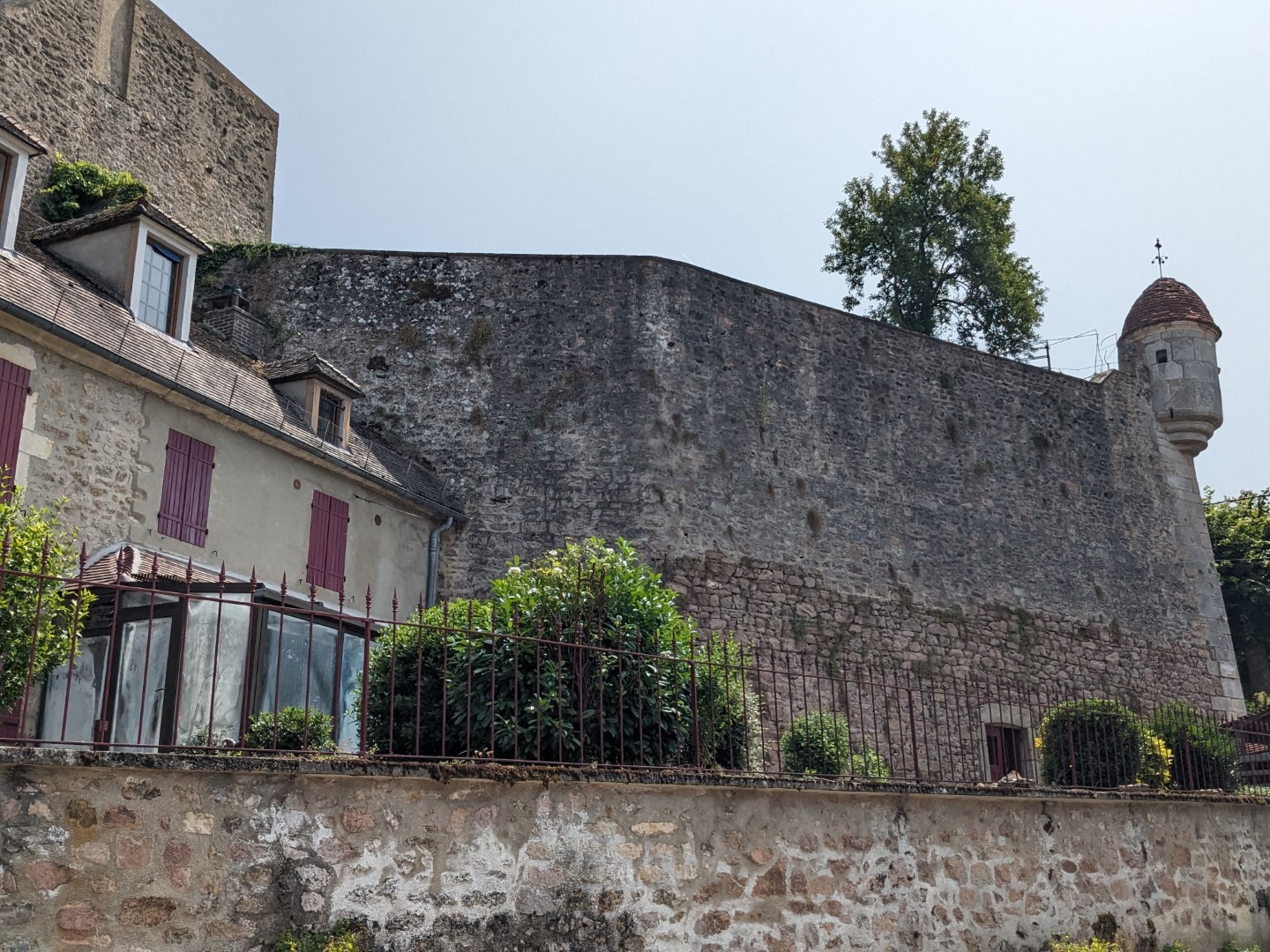
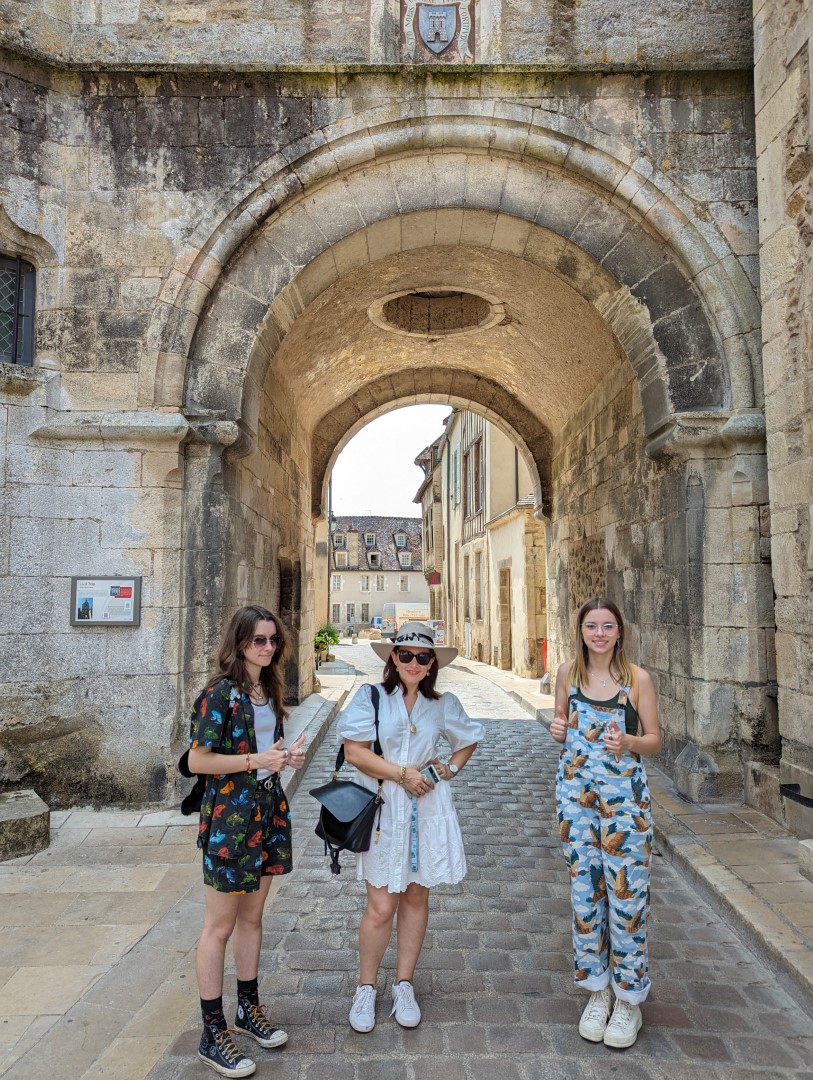
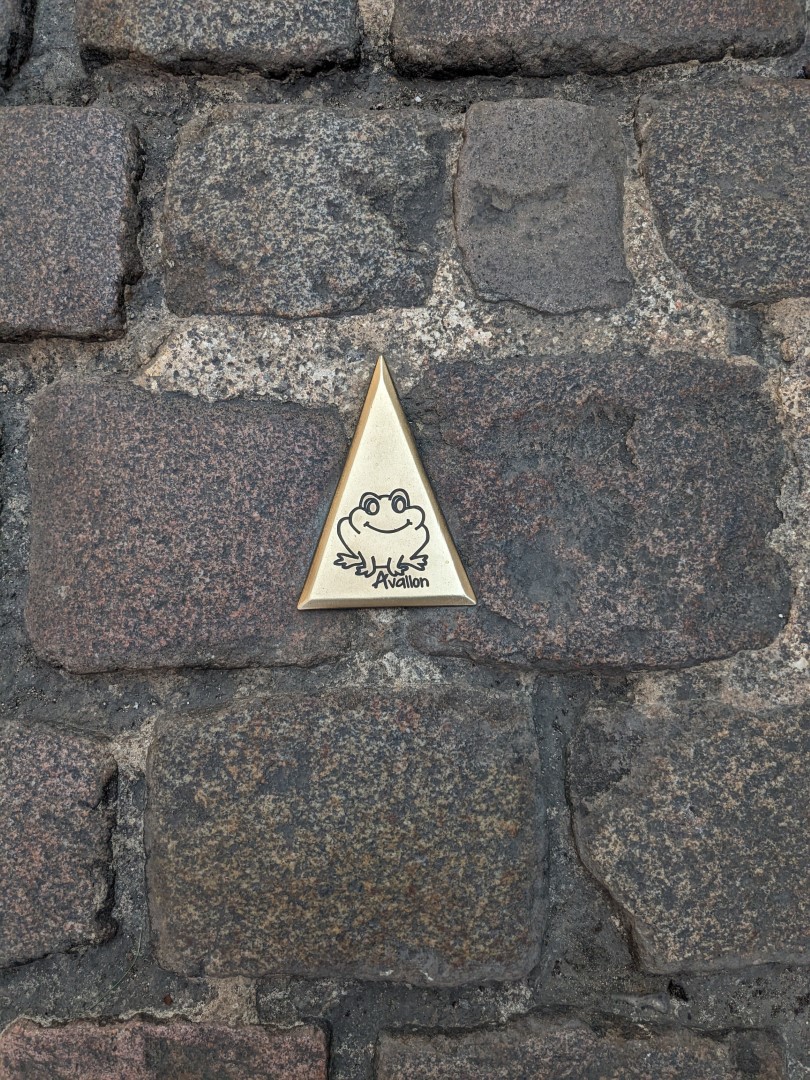
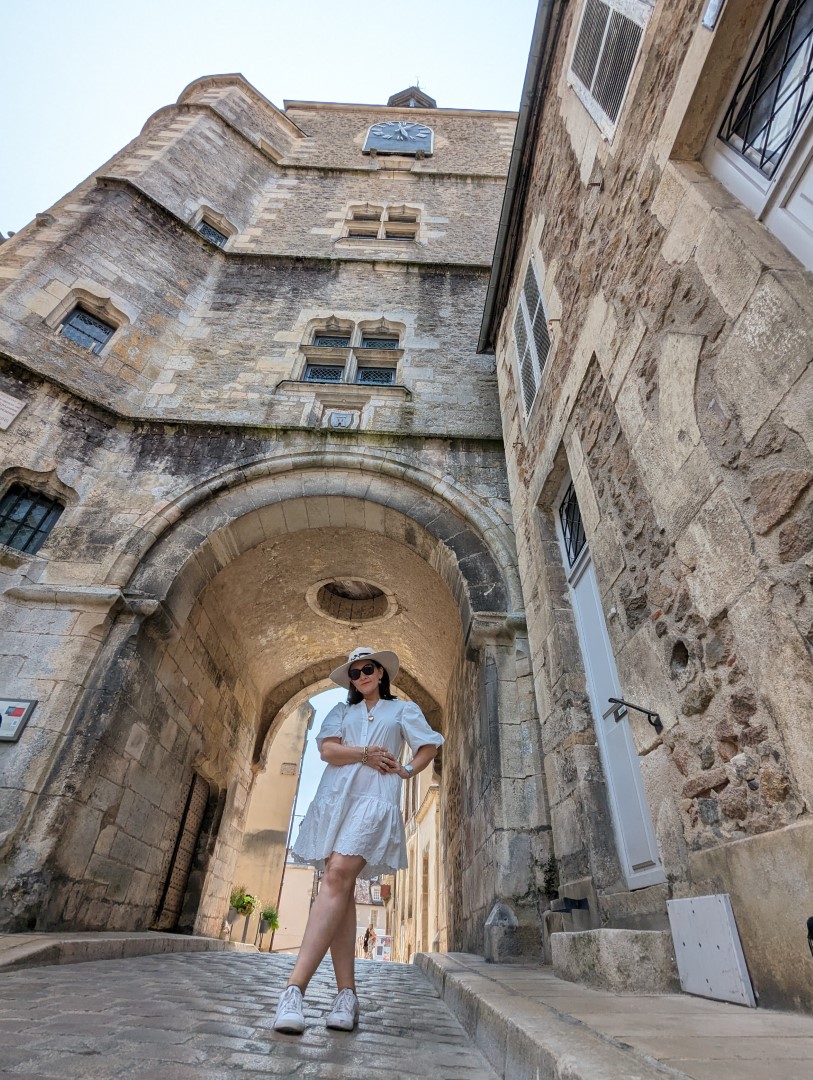
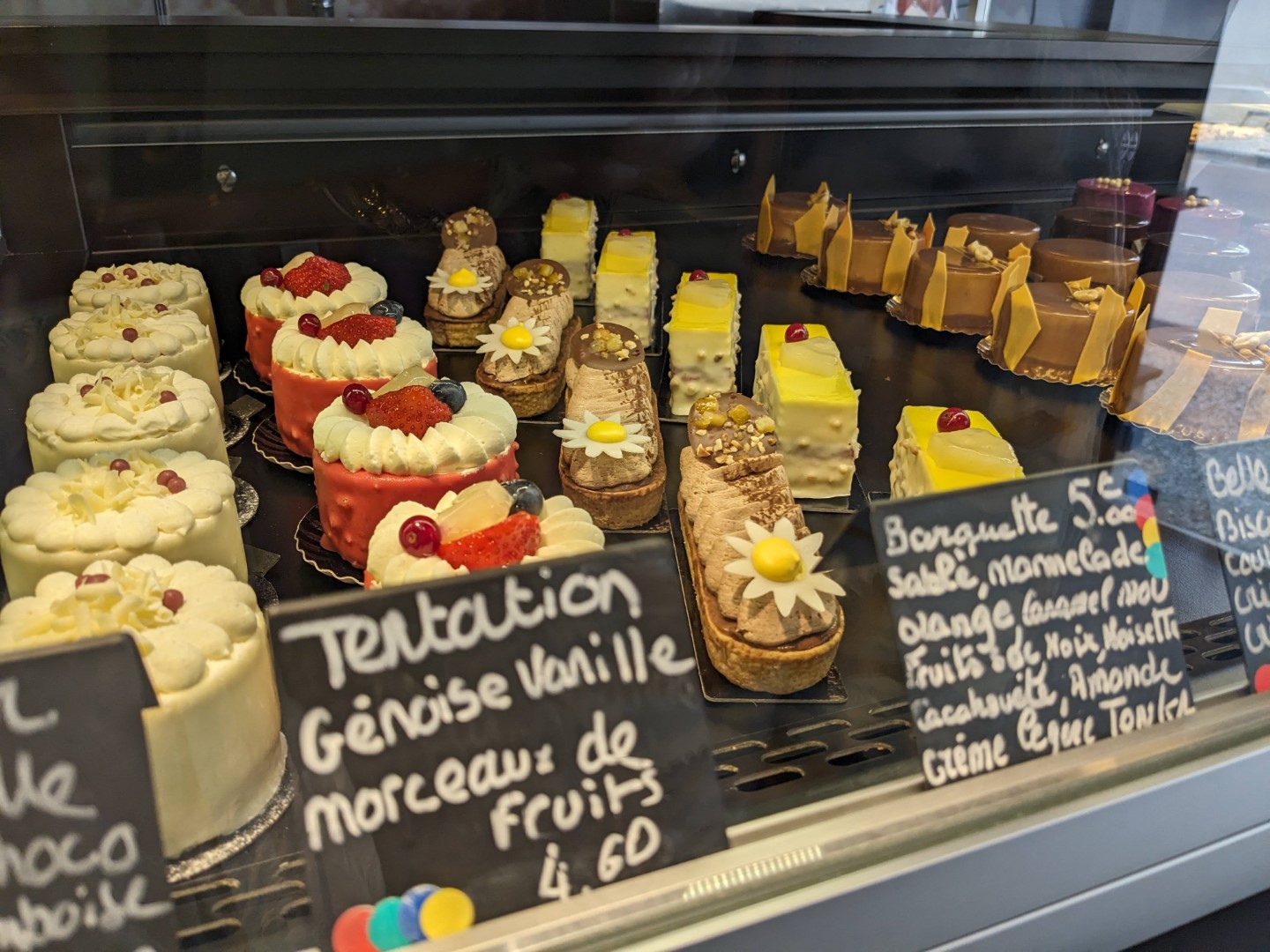
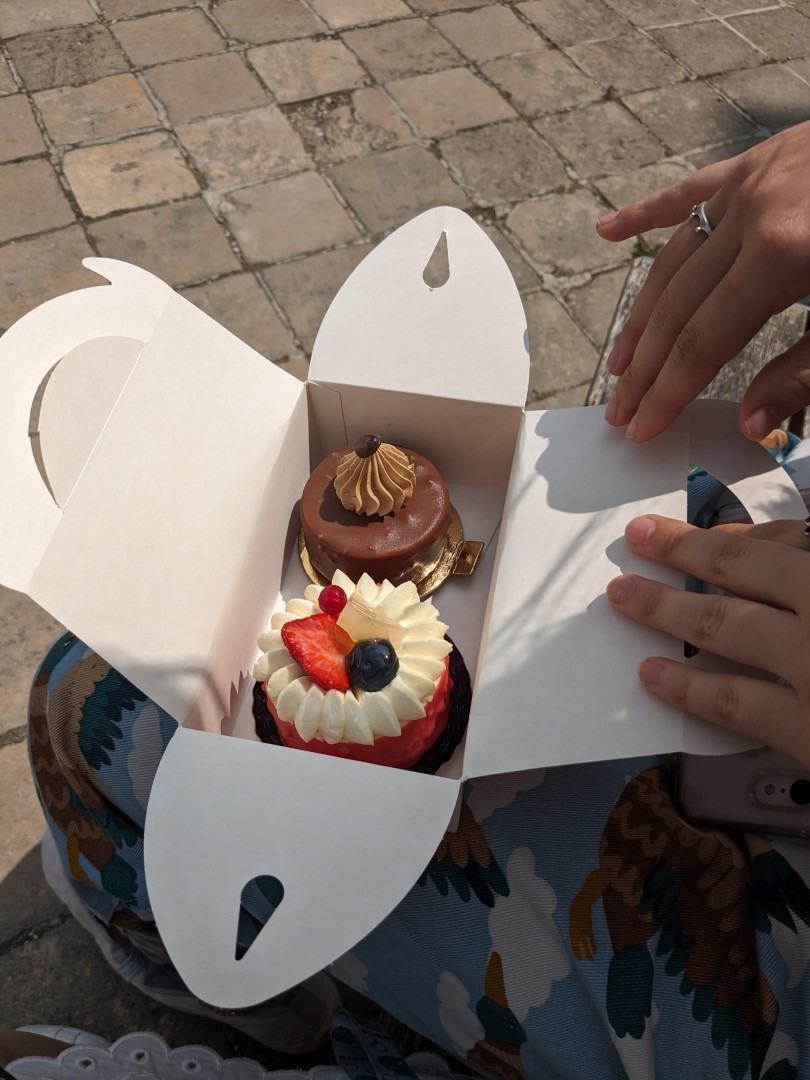
With a child named “Avalon”, of course visiting “Avallon” was a must. Unfortunately, the town was a bit tired and sad. We followed the tourist bureau’s “Frog circuit” encouraging visitors to take in the town’s key sights…but the damp church overgrown with moss, and a central park with wiccan-like dream catchers made by local school kids that were bedazzled with old cutlery, did not thrill us. We took in lunch at a local bistro, where the table was on such an angle, my plate kept sliding into Cam. The meal was terrible all-round. Cakes in a local patisserie looked incredible but were filled with whipped cream and tinned fruit (ewwww). So basically, thumbs down for Avallon.




Vezelay
Saint relics. Woohoooo! We love a bit of Catholic razzle dazzle; the storytelling, mythology, rituals and outlandish claims that go hand-in-hand with saint “relics” that churches brought in to put them on the map and to ward off invaders.
The Catholic “relics” industry really was a hilarious ol’ beast. Some of the Abbots in the early days of Christianity had it sussed. Find some bones. Claim they belong to a famous saint. Get the thumbs up from the Pope (with a little down payment), encourage pilgrims to visit relic, make more $$$. What a great scheme! Kind of like old fashioned arts grants.

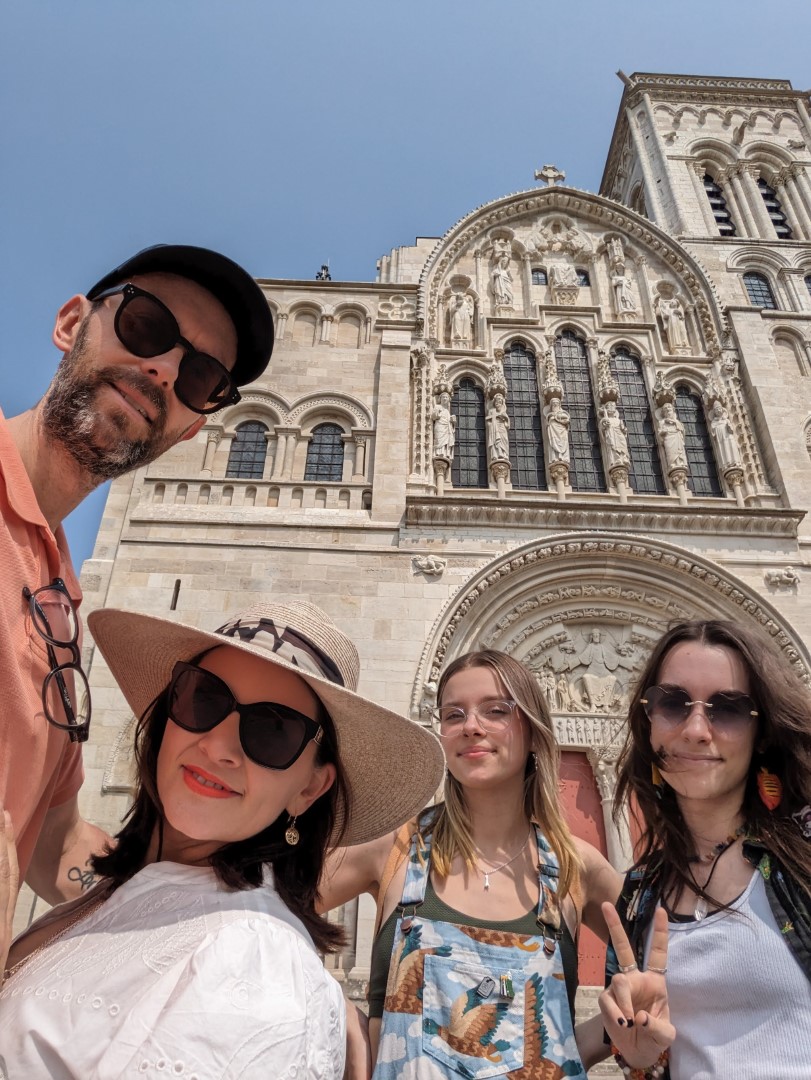
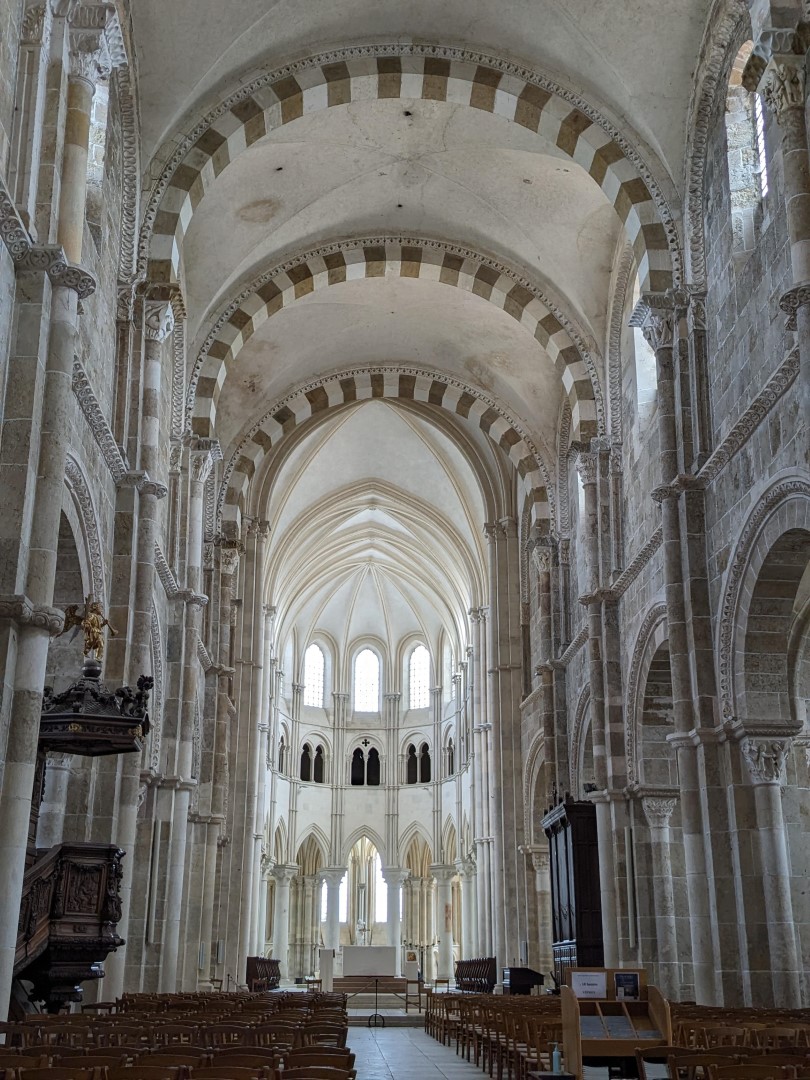
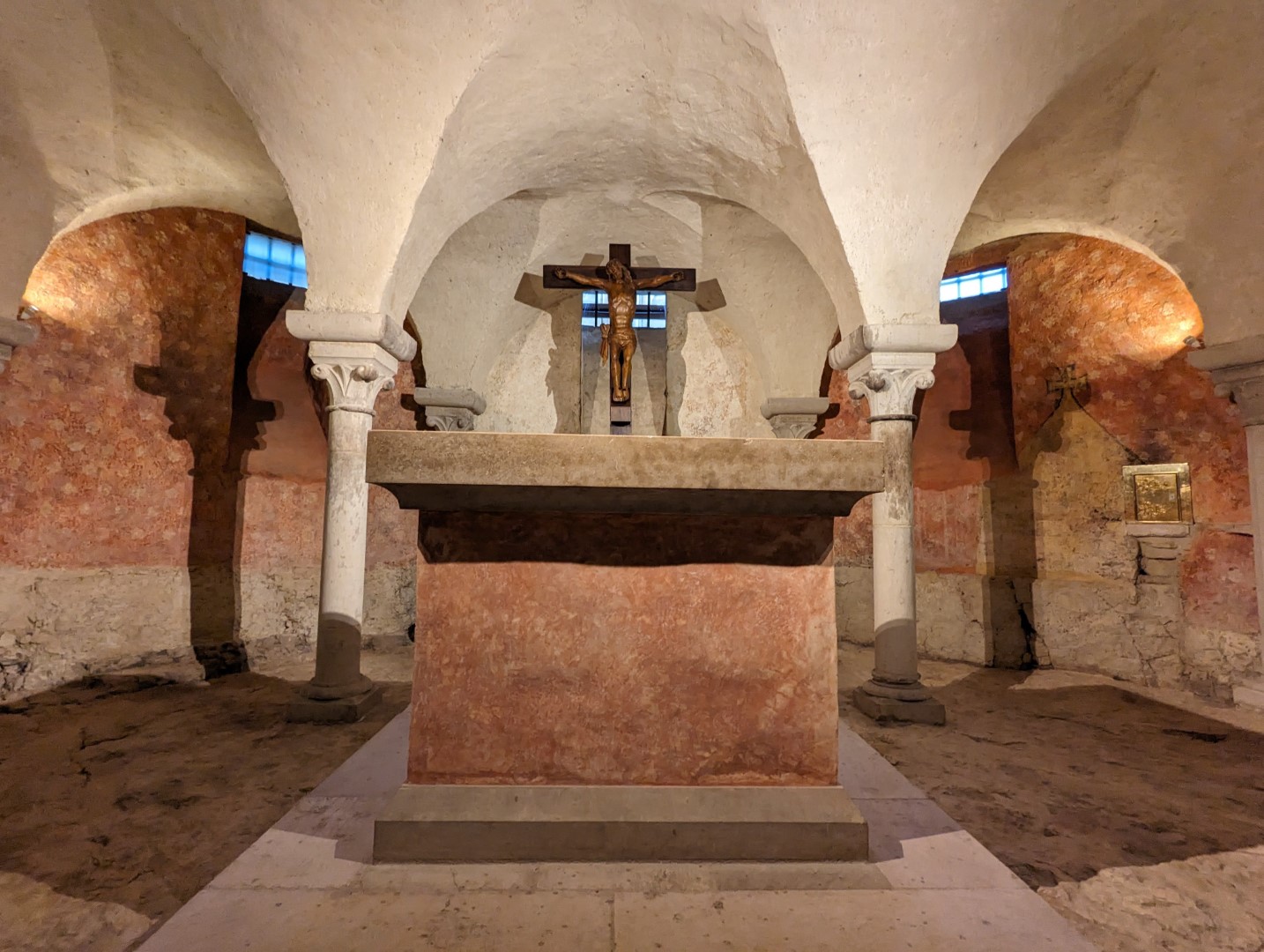
The Basilica of St. Mary Magdalene on Vezelay’s “eternal hill” managed to snavel relics of one of the key biblical players: Mary Magdalene…the OTHER Mary. What these relics are is never actually mentioned in any of the literature…but there’s a super fancy gold reliquary in the church’s lower section, where you can write notes/prayers/wishes for the bones (?) to grant, as well as a teeny little reliquary space below a modelesque saucy statue of her.
Nowhere in the church does it also mention the very suss details that go along with these relics. If you Google “Mary Magdalene relics”, this place is not even mentioned. Her blackened skull, in a super spooky golden space suit can be found in Provence. One of her feet is in Italy. A hand in Greece. A tooth in NYC. So WHERE did Abbot Geoffroy in 1037 get these purported relics from? He WAS questioned about it at the time “Oi Geoffrey. Where’d you get these then? Are they for reals?” The Abbotts response? “Well, if you don’t believe me, you’ll be punished. If you do, you’ll be rewarded.” Classic. He managed to get the papal seal of authenticity in 1058 ($$$).




The papal seal brought an influx of pilgrims and celebrities for next few hundred years; royalty, nobility, crusaders, religious leaders. Richard the Lionheart and Phillip II of France planned the Third Crusade there for 3 months. Francis of Assisi popped in in 1217. When Provence claimed they had the “real” remains of Mary in 1279 and sent through a longer list of miracles attributed to THOSE bones, Vezelay’s game was up, and pilgrimage started to decline.
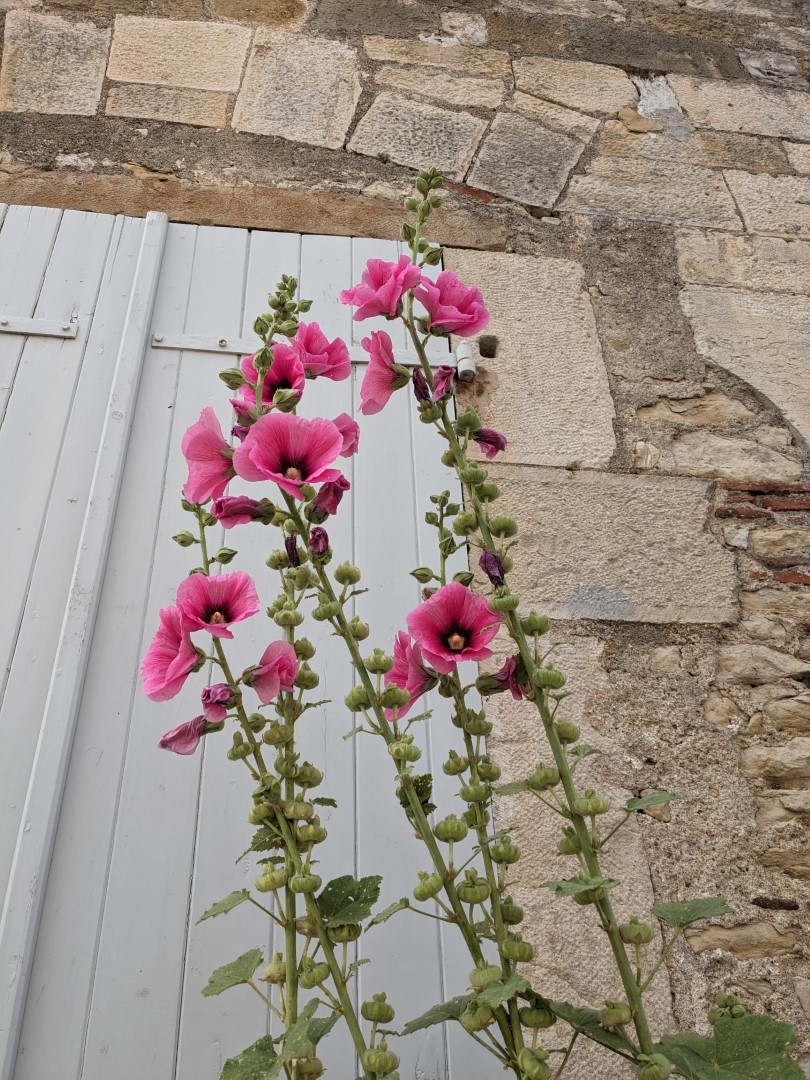
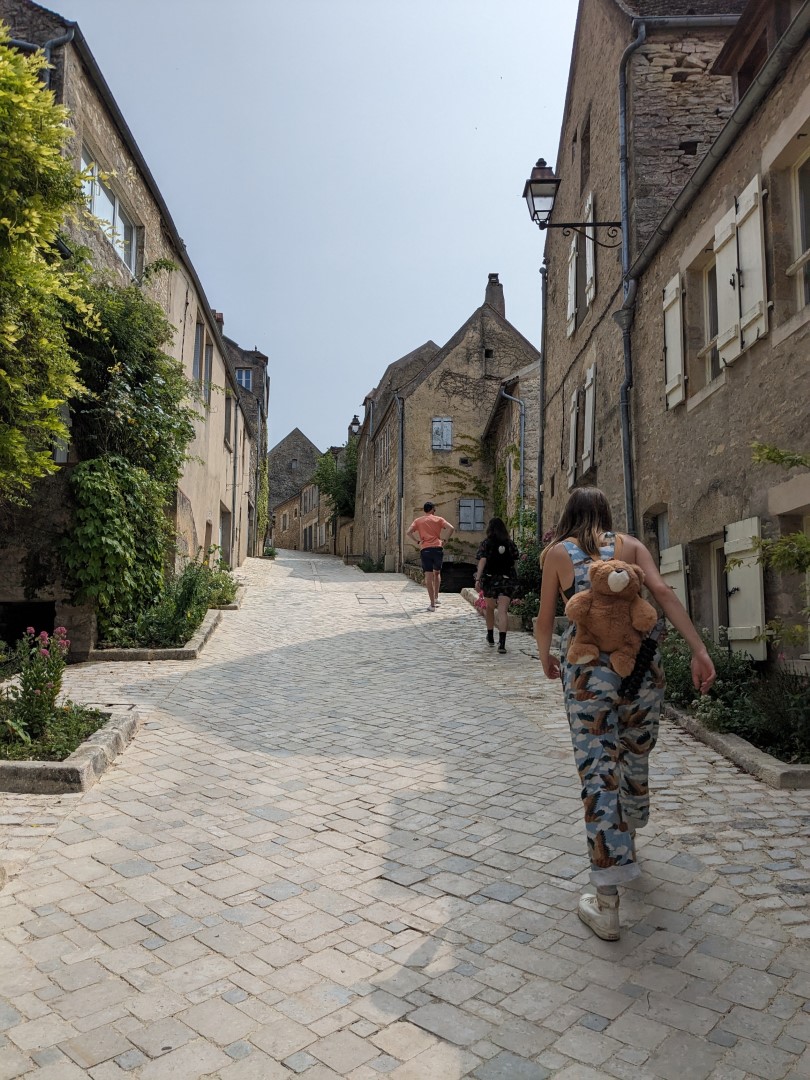
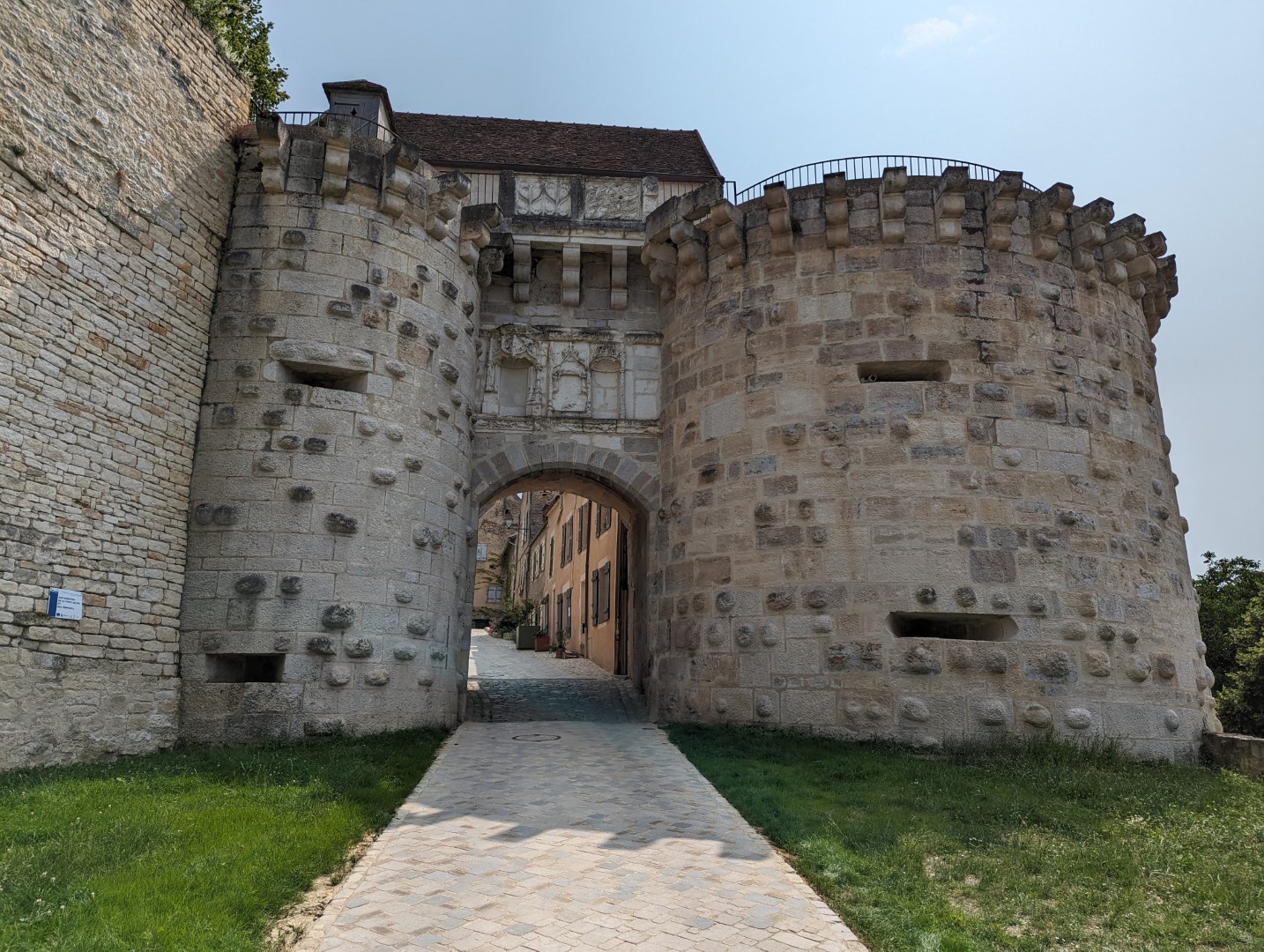
Vezelay is a beautiful walled town, and the echoey ex-Abbey is in pristine condition due to a team of scouts who were polishing every window and crevice while we were there. Nuns wander the streets and run the religious shop next door. A lovely, brief visit. And I hope Mary’s bones get to read my wish!
Dijon
Dijon is the largest town we visited in the region, and yes, it’s where the mustard comes from. The central market runs three mornings a week offering local fruits, vegetables and loads of cheese and cold meats. There are some famous mustard-makers in the town, including Maille, which you’d recognize from supermarkets in Australia. In the cute old store in town, they had loads of different flavours, and all were about 5 times the price of Coles, so it was a no from us. The gingerbread the town is also famous for was very “meh”, so we bought a gingerbread owl (the town’s talisman) for a couple of euros and left it at that.

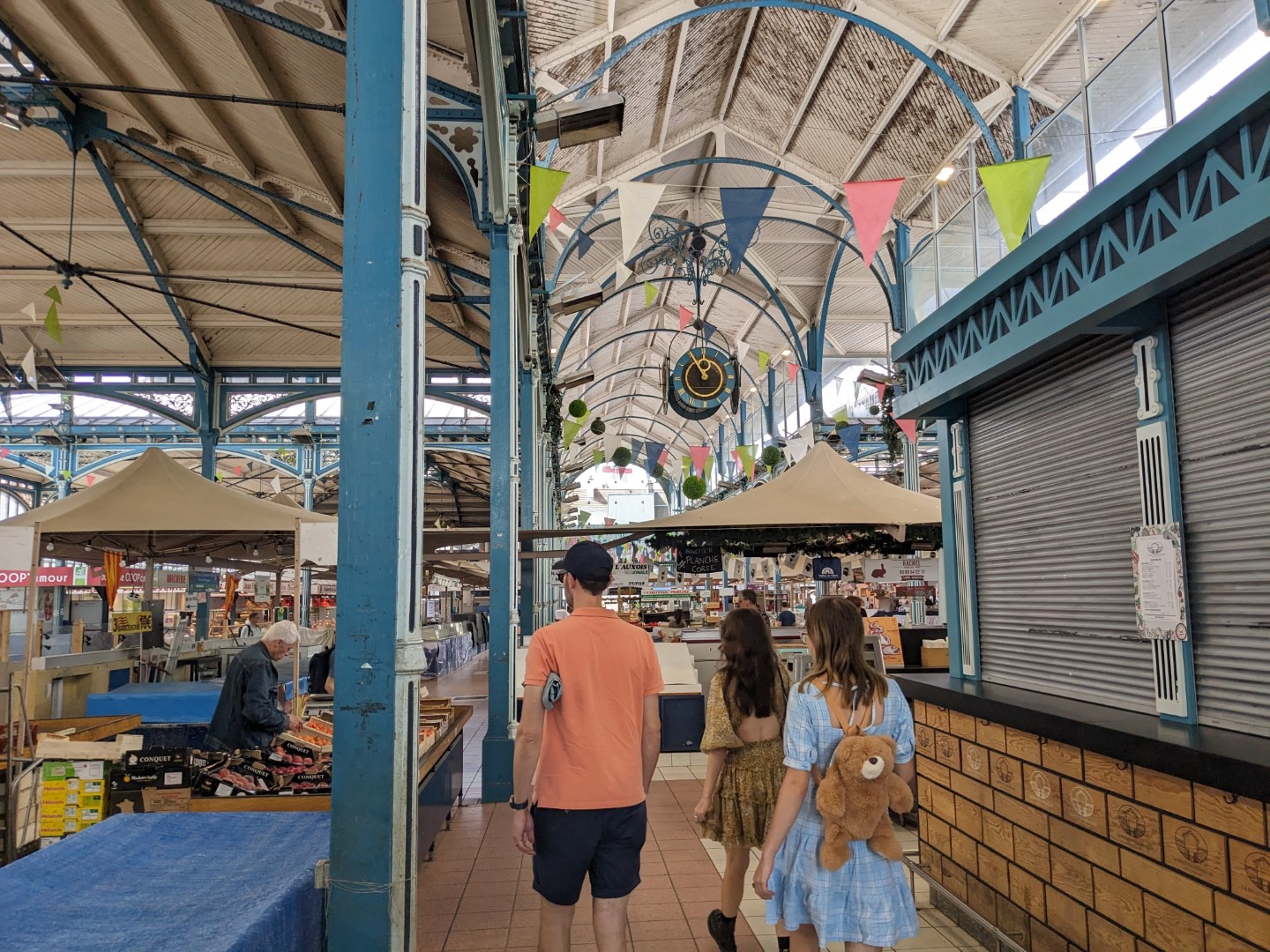


We also ate one of the most delicious lunches we’ve had in France thus far at Au Moulin au Vent; escargot, bouffe bourguignon, and other traditional Burgundian dishes.
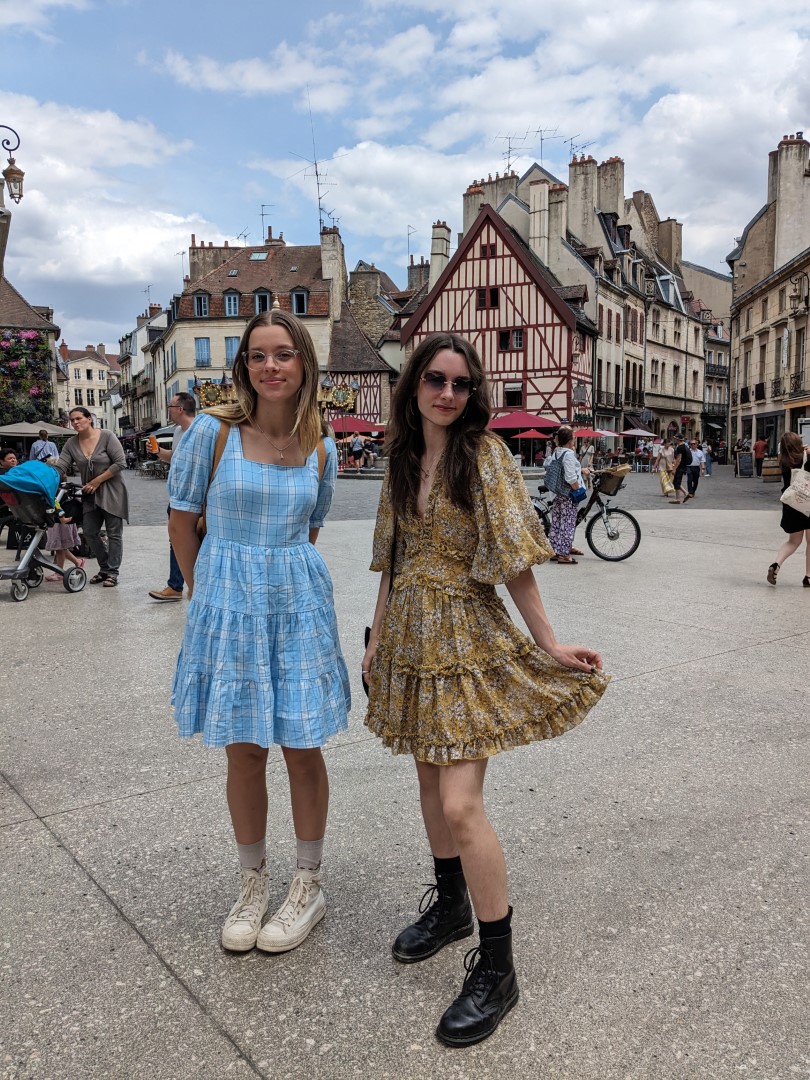

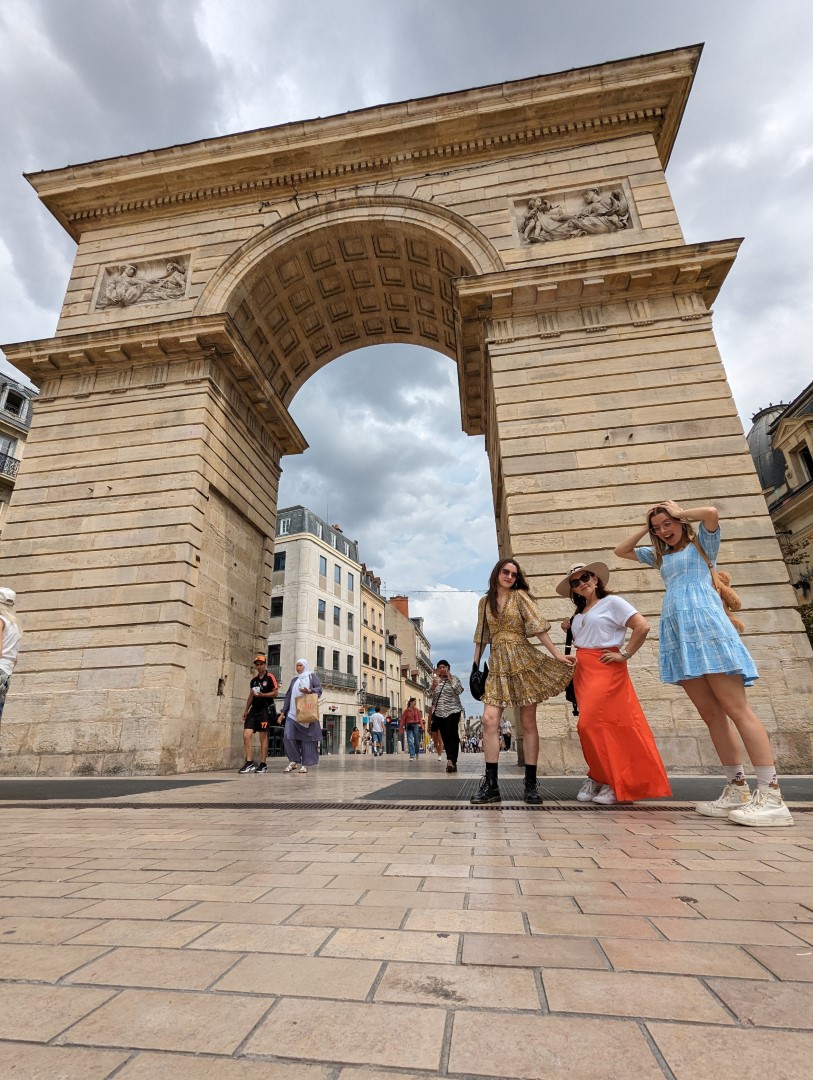
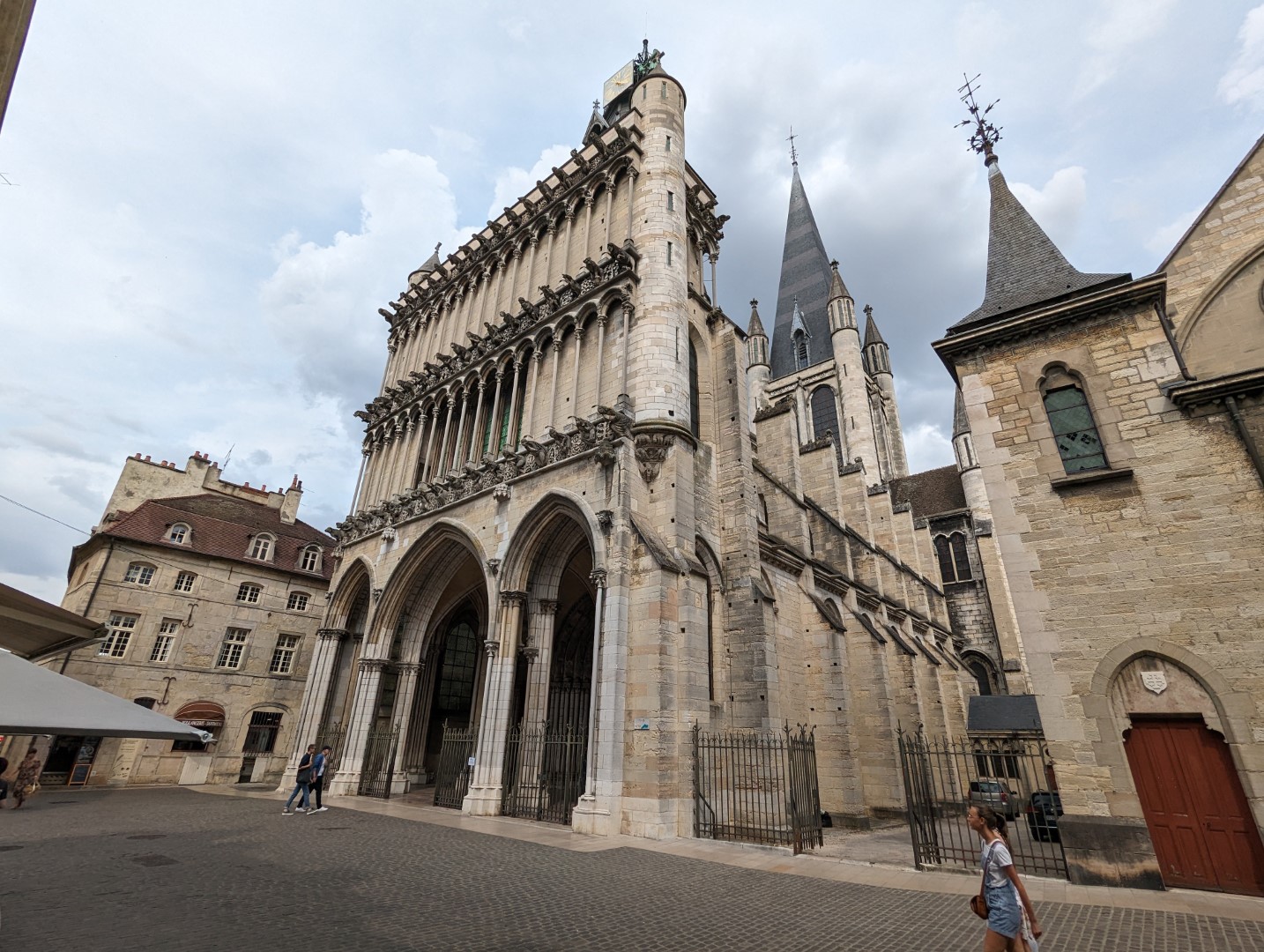


There is an Owl trail similar to the frog circuit in Avallon, but we headed instead to the town’s most famous “chouette”, the Owl of Notre Dame de Dijon a tiny worn-out little guy whose features have been almost entirely rubbed off due to 300 years of wish-making. Rub his head with your left hand, make a wish, and hoot hoot, it will come true!
Now the great conundrum. If my wish does come true, do I thank the bones or the owl?!
 The Token Traveller