The northern Italian city of Brescia has an inferiority complex.
Despite being, alongside neighbouring town Bergamo, Italy’s “Capital of Culture 2023”; regardless of the wealth of artistic treasures housed in the city’s Santa Giulia museum; even though one of the largest castle complexes in all of Italy sits on the summit of Brescia’s city, overlooking town squares, green villa-dotted hills and valleys; most locals we met asked “why are you HERE and not in Rome, Milan or Florence?”
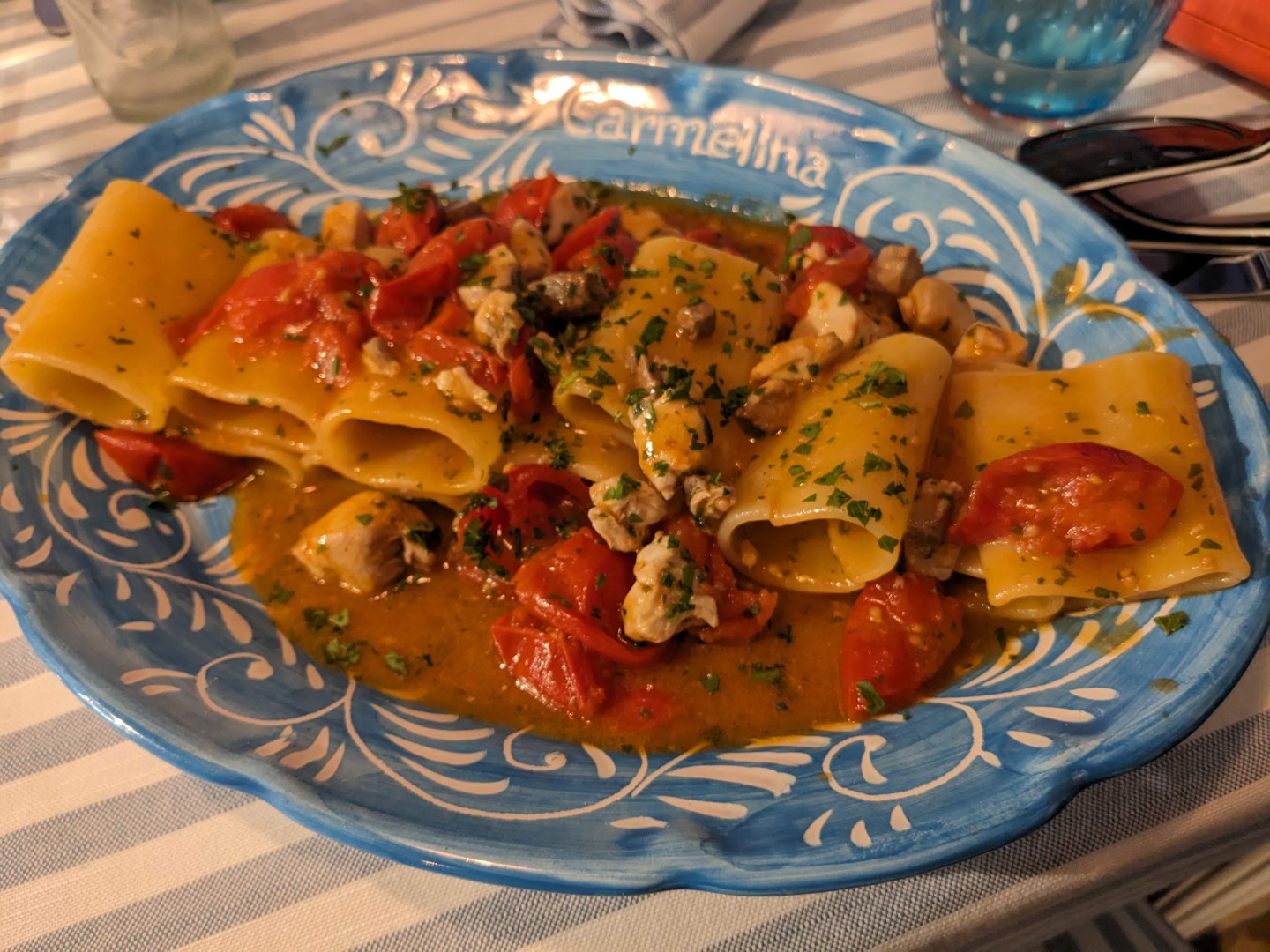


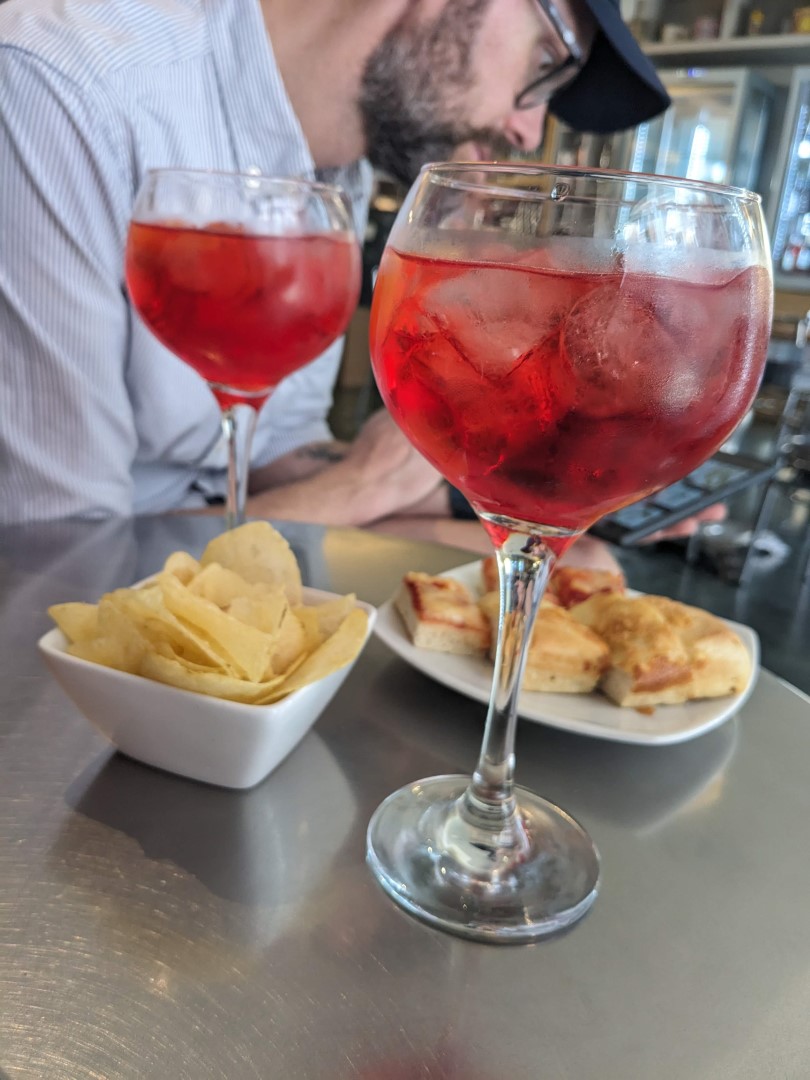
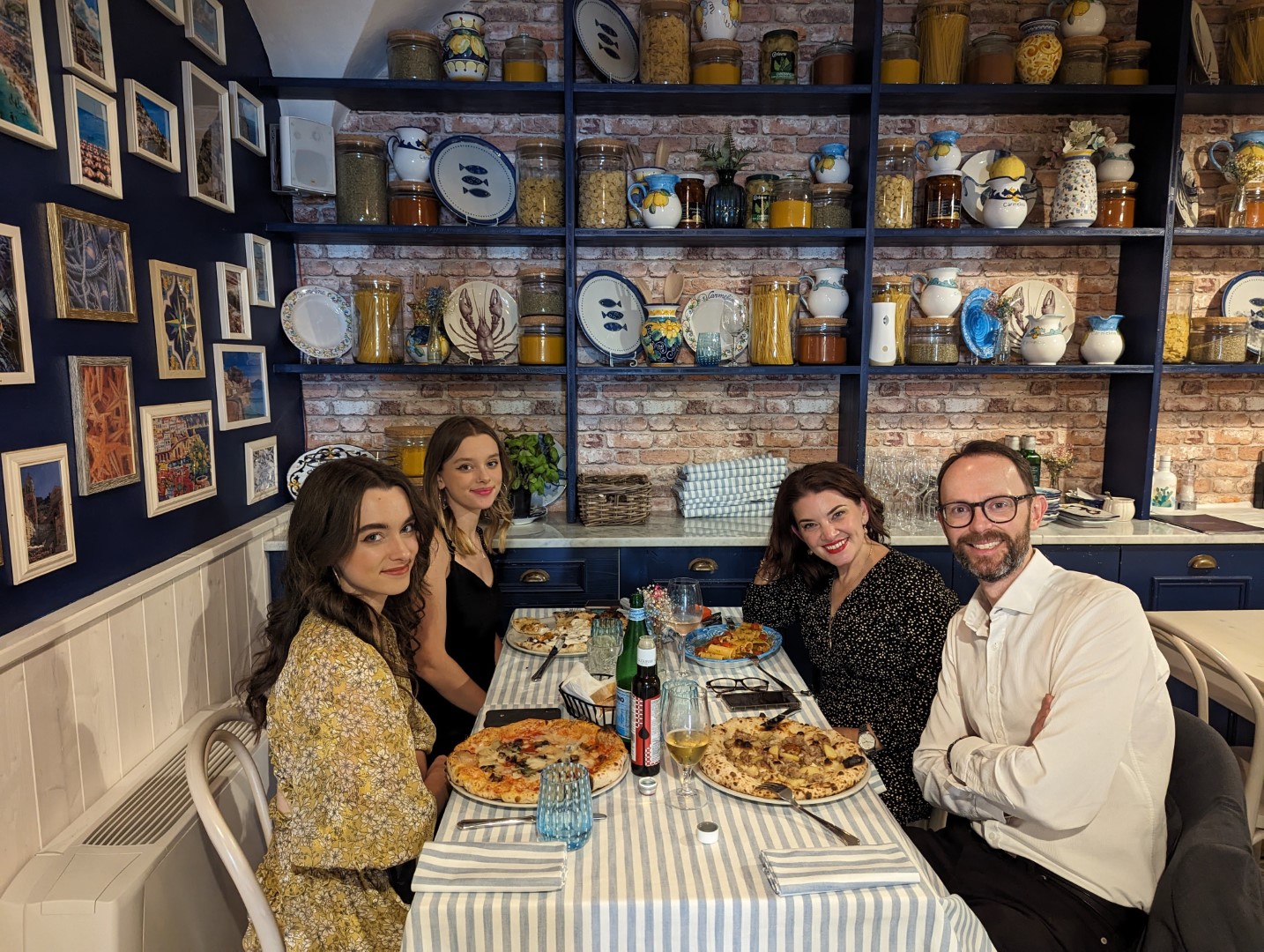
Well, we wanted to explore YOUR town. A real, livable, untouristy city of 200,000 people. We wanted to visit the same bar every morning for coffee and then in the evening for an aperitivo (in this town, a Campari Pirlo is more popular than a Spritz, and our bar of choice was Caffé Magenta). We wanted to get to know our way around a place where we weren’t having to dodge waiters hawking “we have pizza” in English.
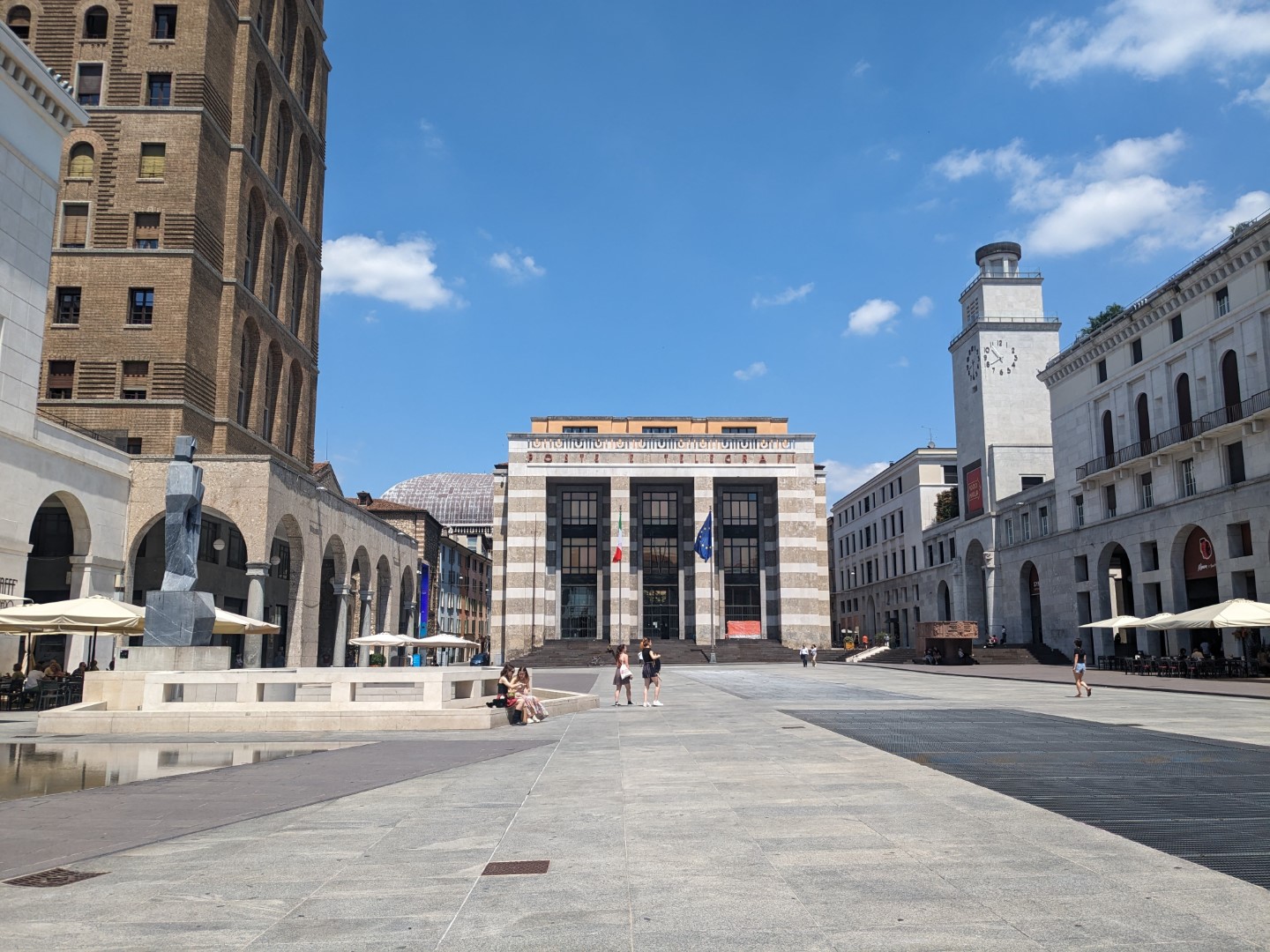
Brescia has many town squares. True, none of them are as beautiful as in say Siena or Verona, but they are still places for locals to meet, hold market days, chase kids around, or sit and drink an afternoon Pirlo. The main piazzas are Piazza della Loggia and Piazza della Vittoria.
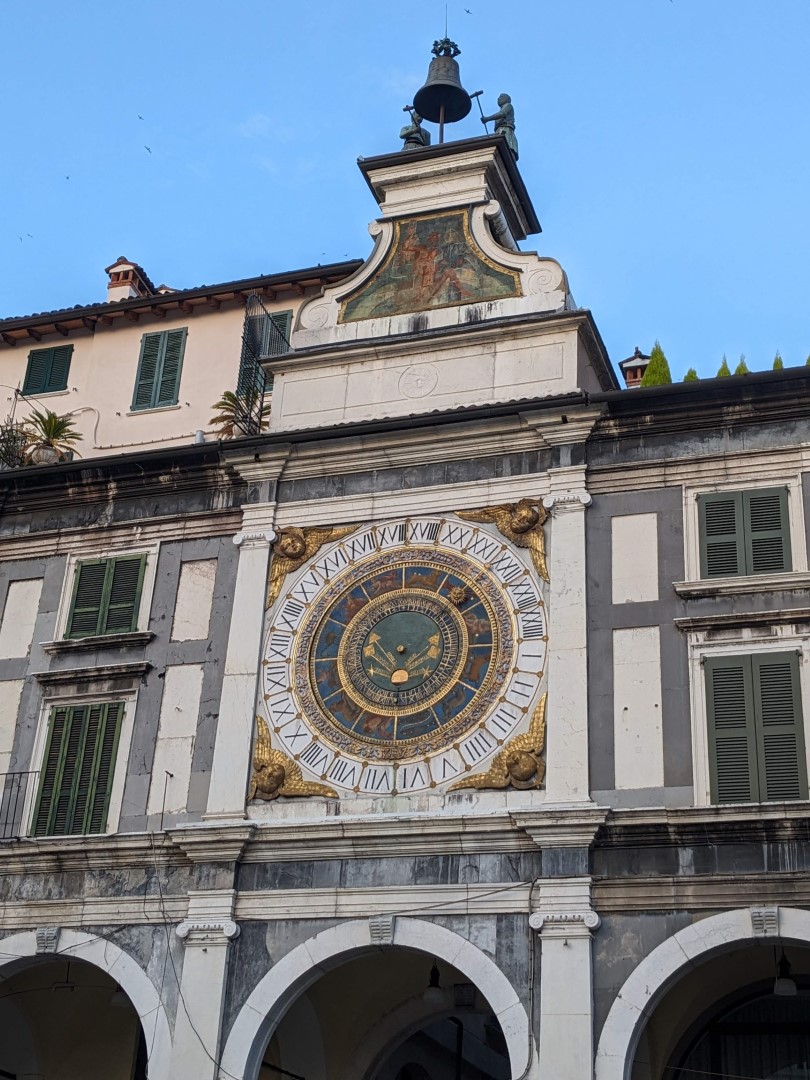
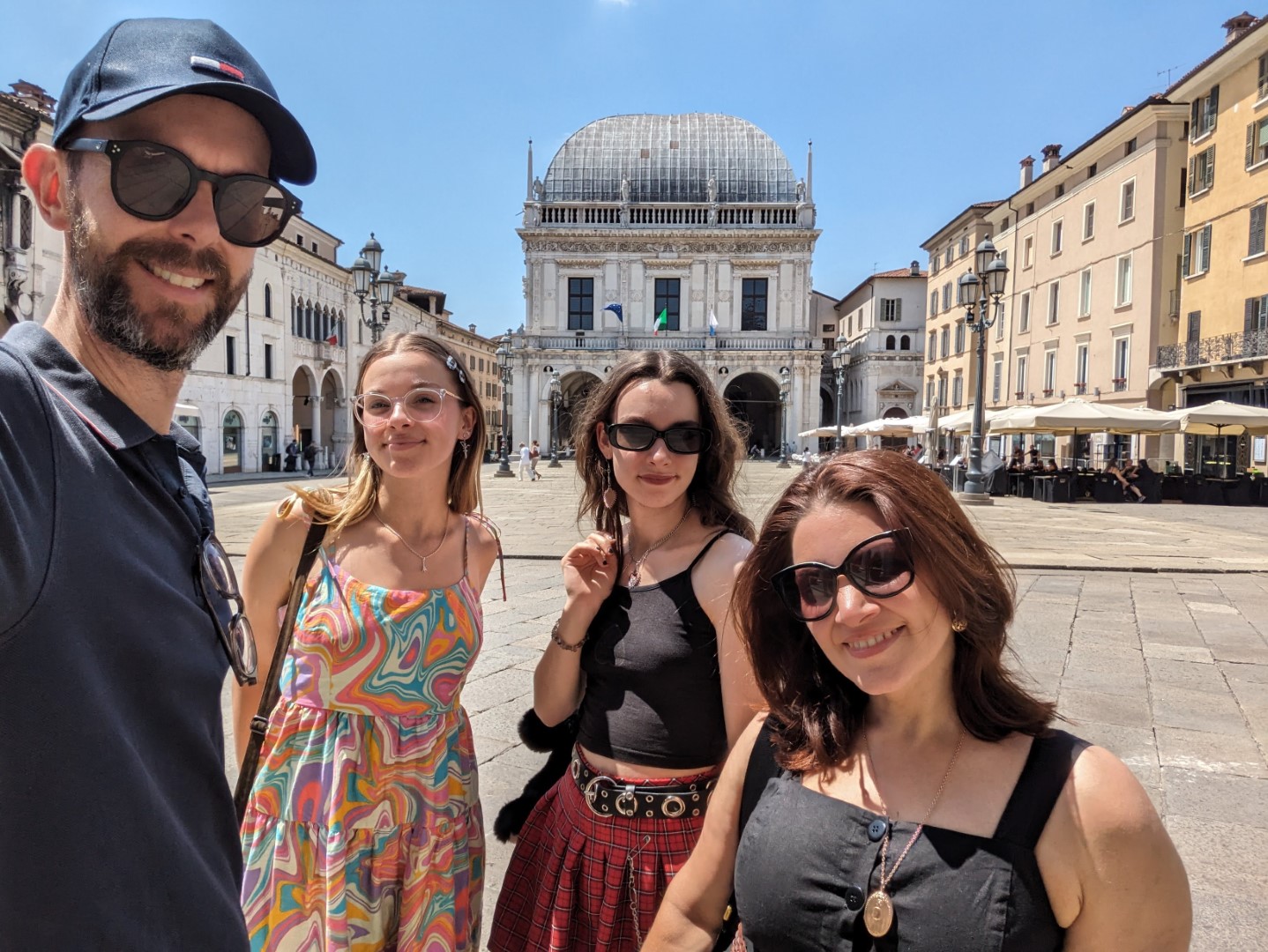
In our research phase for this trip, we also found the most amazing, affordable apartment to rent which felt like we were living like royalty. And it was in the heart of Brescia. (I’ll review our place at the end of our trip in the traditional “Caramello Koala” rating system post.)
Museo di Santa Giulia
Romans made an appearance in “Brixia” in the 2nd century BC, living alongside local Celtic people, and gradually Romanizing the area; introducing trade, Roman customs and architecture. A vast temple complex was built, civic and public spaces grew, and for around 500 years, until the Emperor Constantine introduced Christianity in 312, Brexia was one of the most influential cities in northern Italy, flourishing under Roman rule. Many Roman buildings were left in ruin after Constantine decided “pagan bad, Jesus good”, some forgotten and hidden by earth and time, and others being transformed into new Christian places of worship.


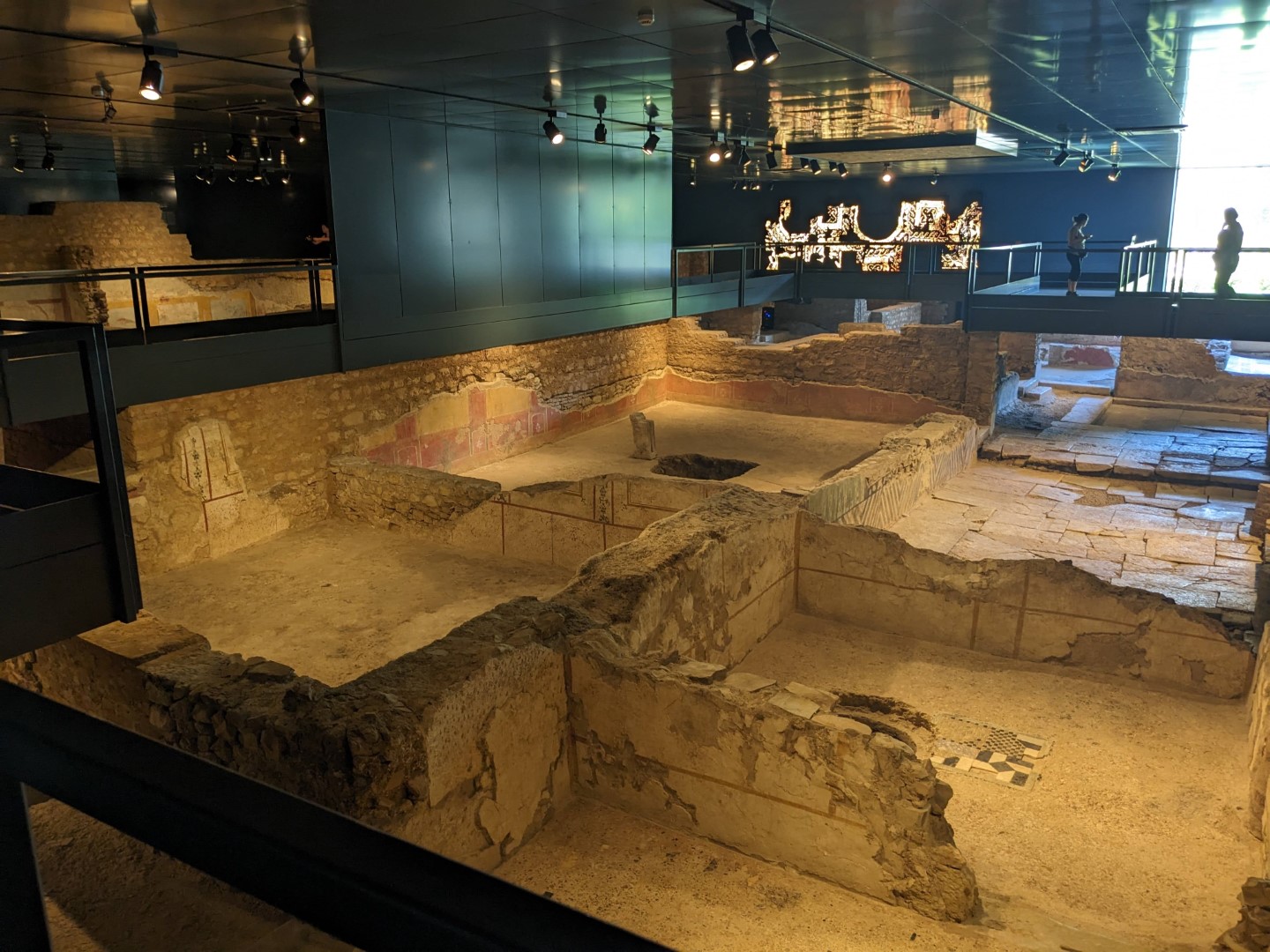

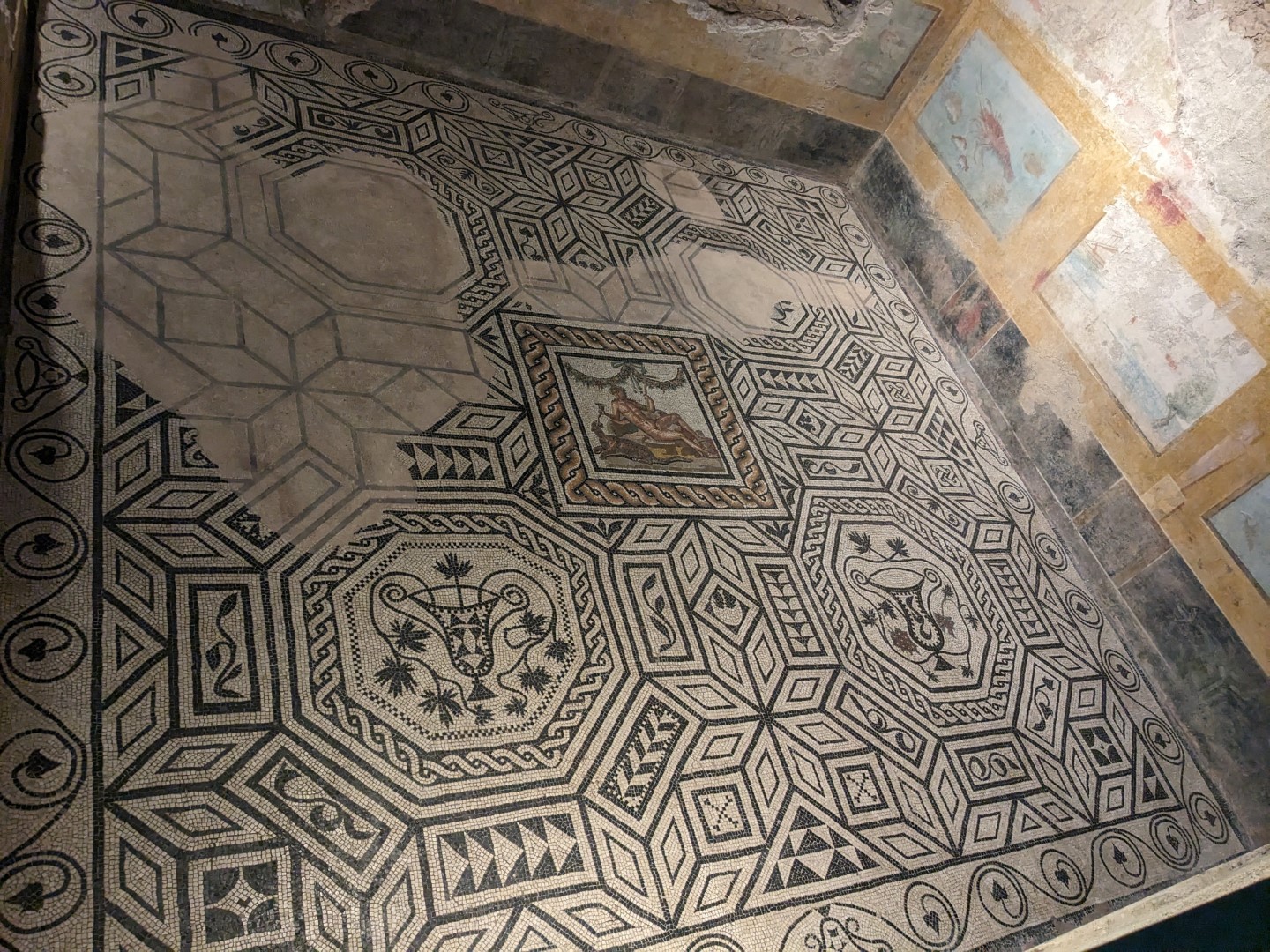
Archeological work began in 1823 when the top of one of the Roman temple’s columns became visible in somebody’s backyard. The archaeological excavations, which continue to this day, uncovered temples, statues, Roman townhouses with gardens and mosaic-floored rooms. These are all part of Brescia’s UNESCO World Heritage listed “Santa Giulia City Museum” complex, incorporating the Roman Capitoline Temple, and subsequent catholic San Salvatore monastery that was built on top of the ruins.

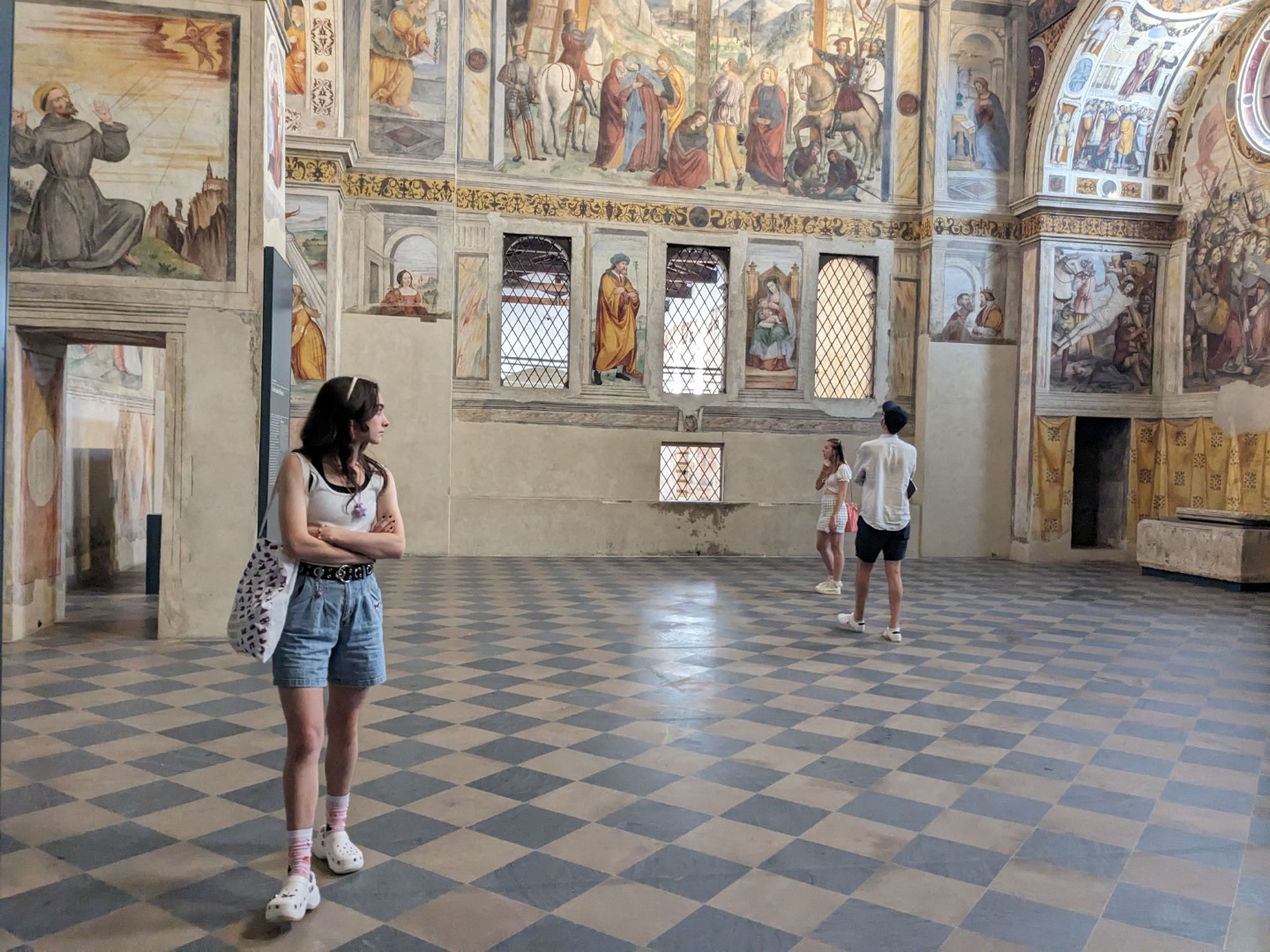
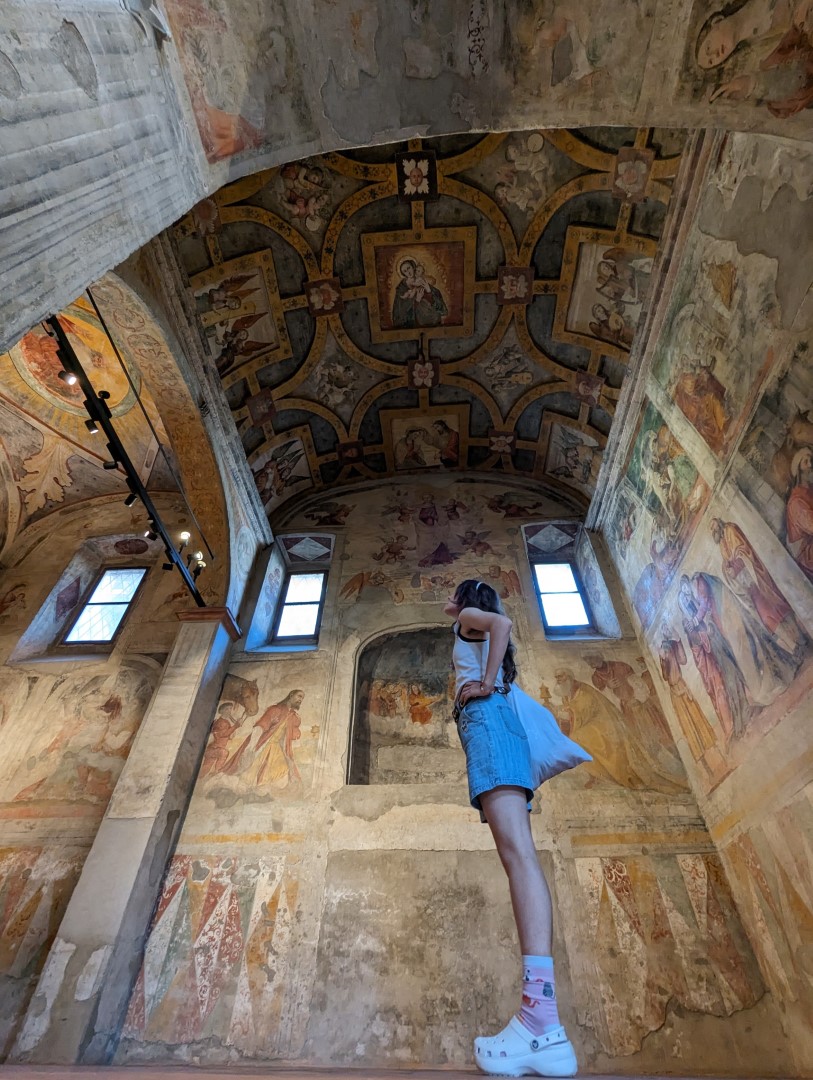
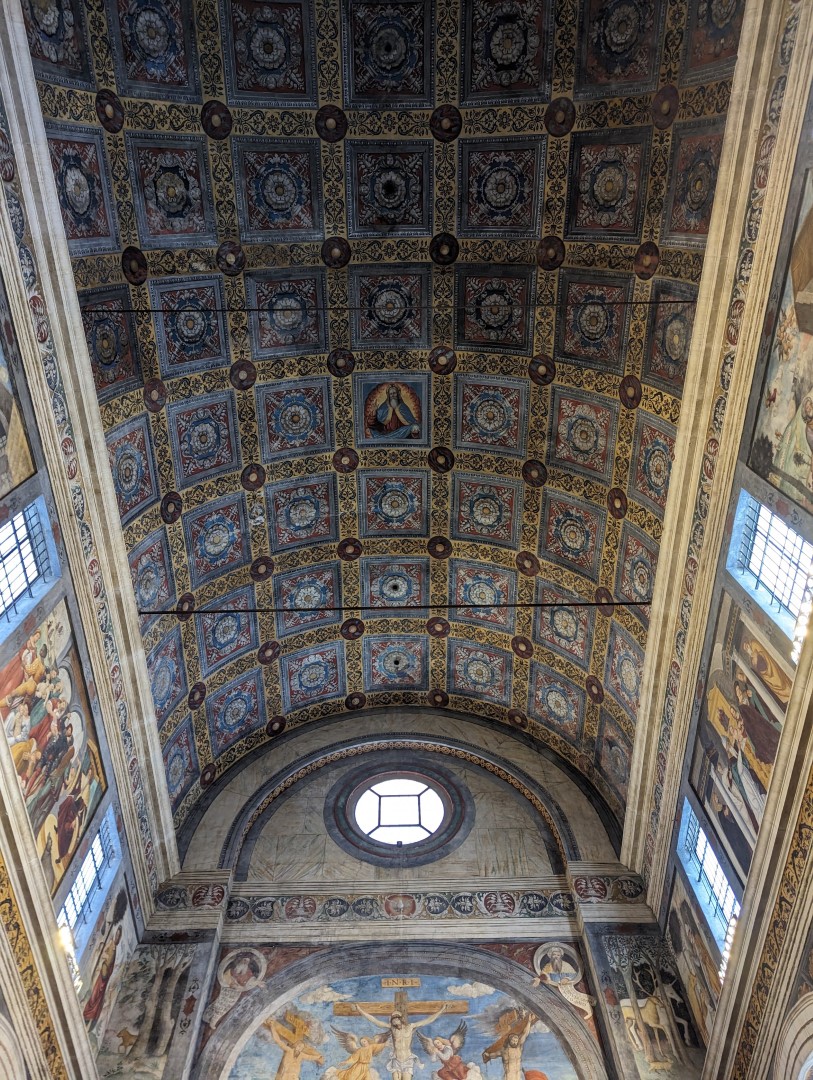

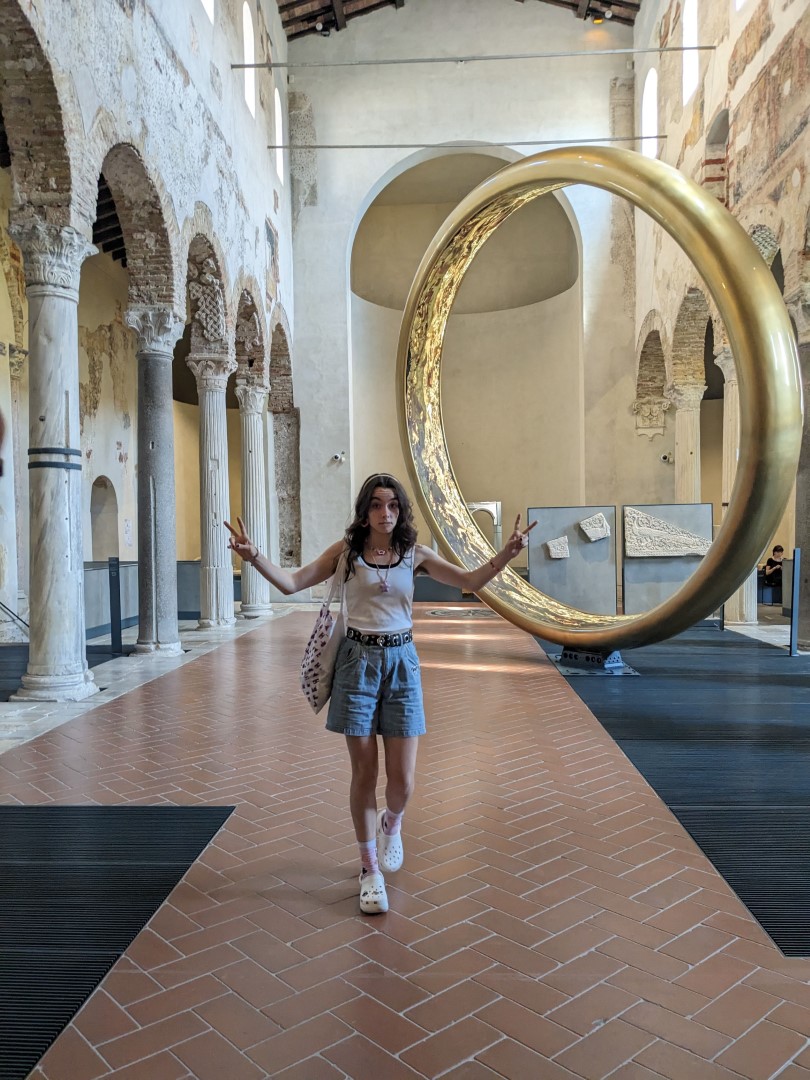

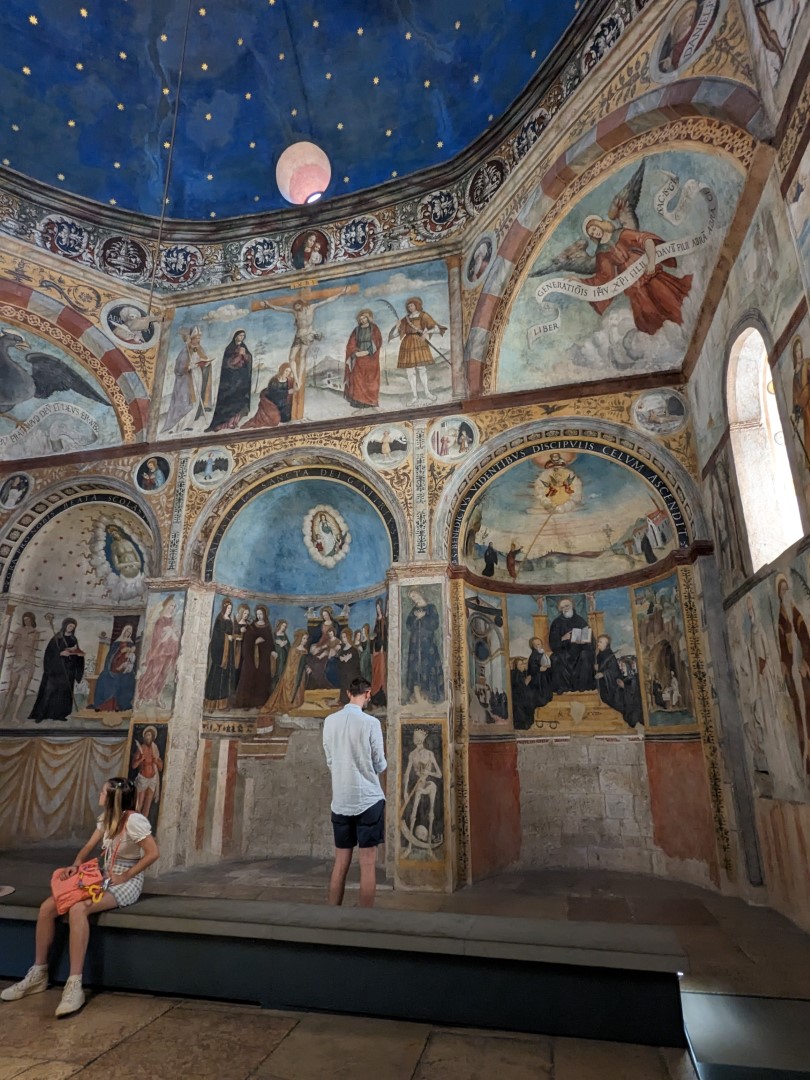
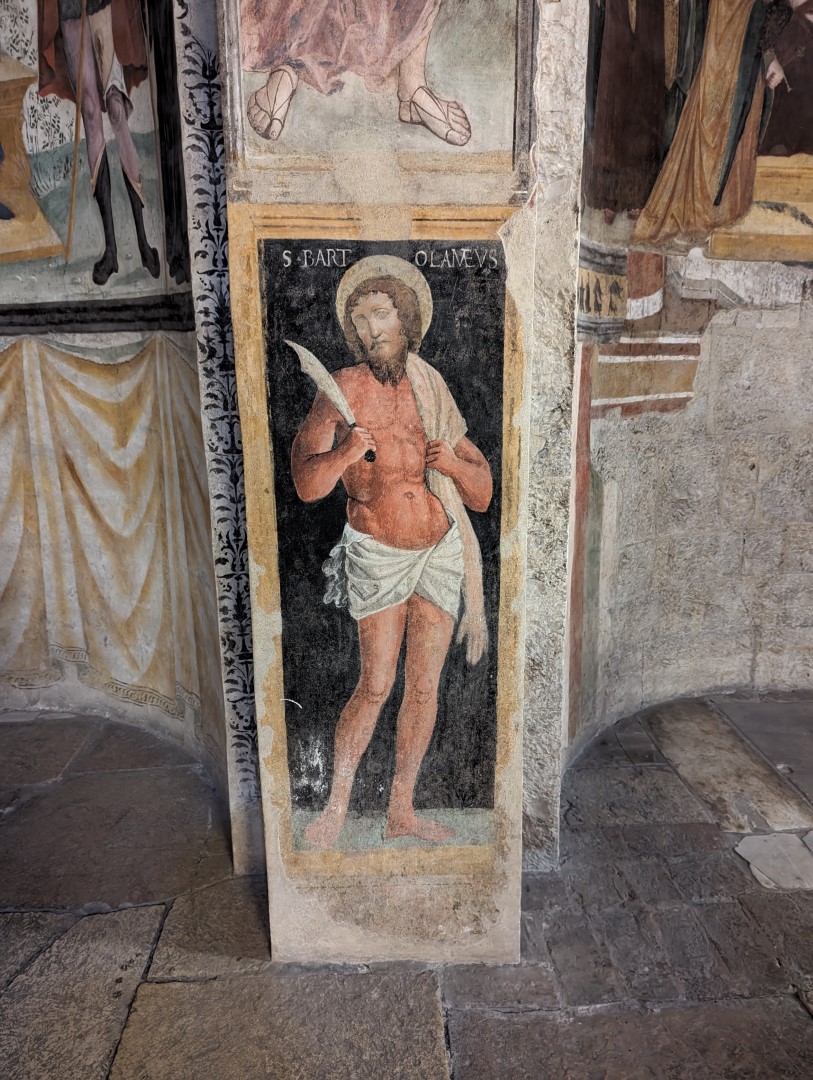
While many of the rooms in the old monastery feel empty (we were the only visitors in many areas, and it was clear a LOT of money had been spent on this project), the frescoed churches of San Salvatore and Santa Maria in Solario are amazing. And in some instances, incredibly gruesome. One fresco depicts a saint carrying around a suit of his own skin. Another having her breasts hacked off with a rake and being beaten with a club while on a cross. “God is love” etc.

Brescia Castle
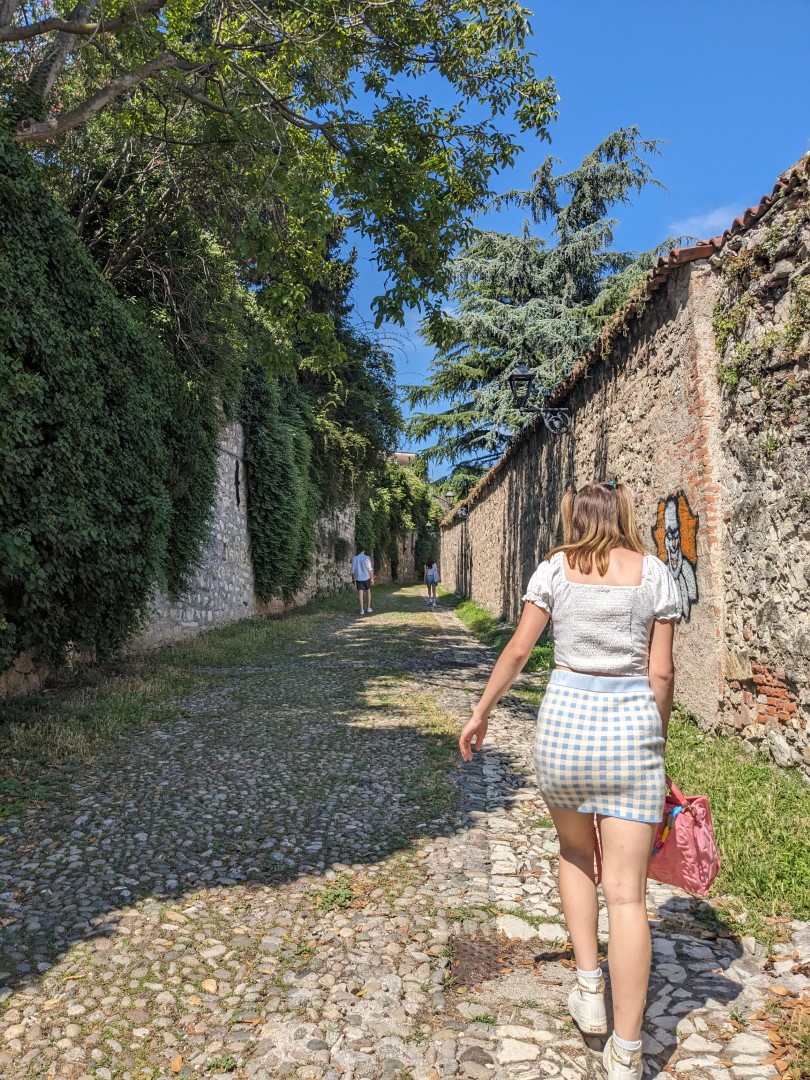
A twenty-minute climb up Cidneo hill takes you to the “Falcon of Italy”, Brescia’s fortified castle, built in the 14th and 16th centuries. The 75,000 square-metre complex includes various museums and displays, but we were happy to climb up and take in the views of the city. Stunning.


Other churches
Brescia’s basilica is large and soul-less, but there are many other churches in the town worth a mention and a visit.
Church of St. Agatha
One of the city’s oldest churches, although it has been remodeled many times, mostly after a fire destroyed much of the original structure. Ironic, as St. Agatha is the patron saint of fire prevention.


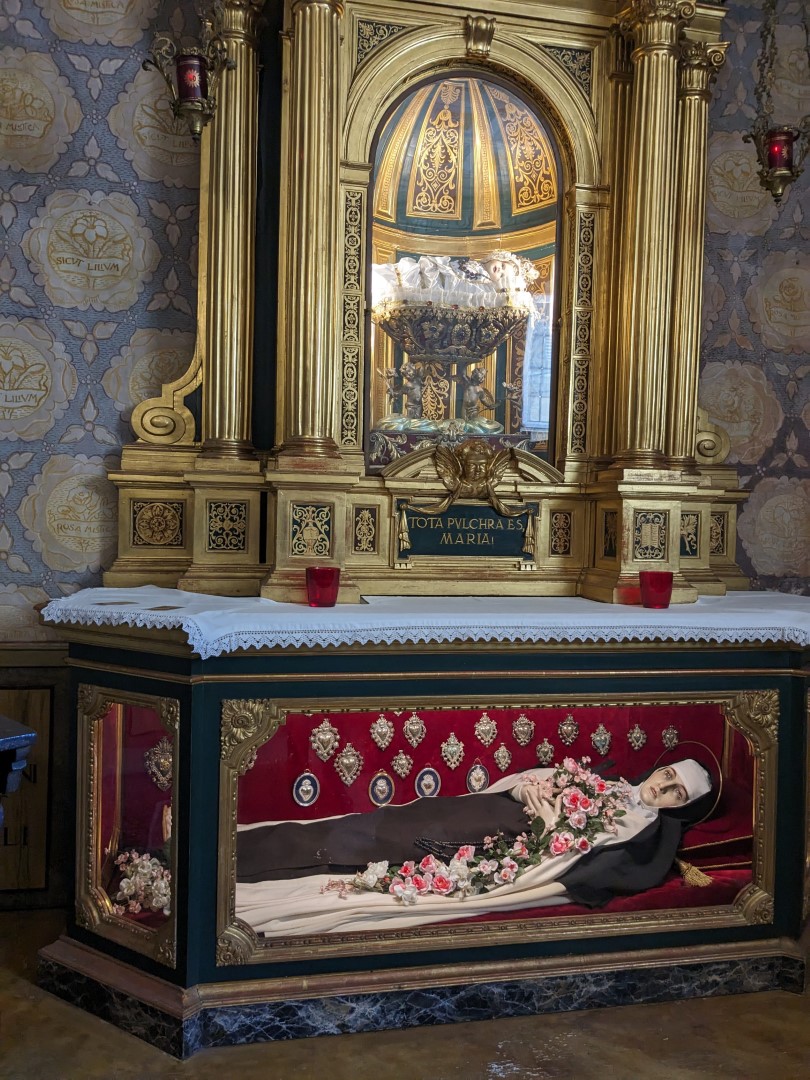
Church of Santa Maria della Carita
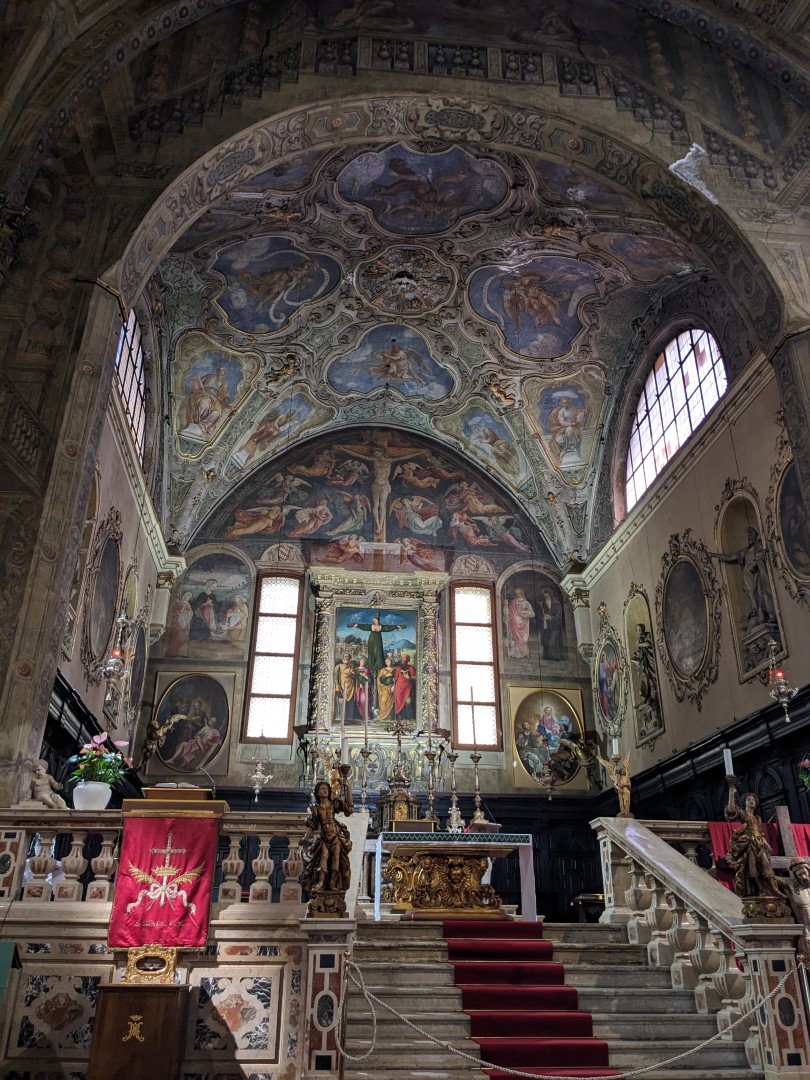
We happened across the nondescript entrance to this little Baroque gem, which was built in 1640, and sat in its pews taking in every little corner. The church is dedicated to the Virgin of Charity who is featured on the high alter, the floors are decorated with coloured marble, and frescoes cover every wall.


Food
We couldn’t wait to get some pizza into us. We ate many!
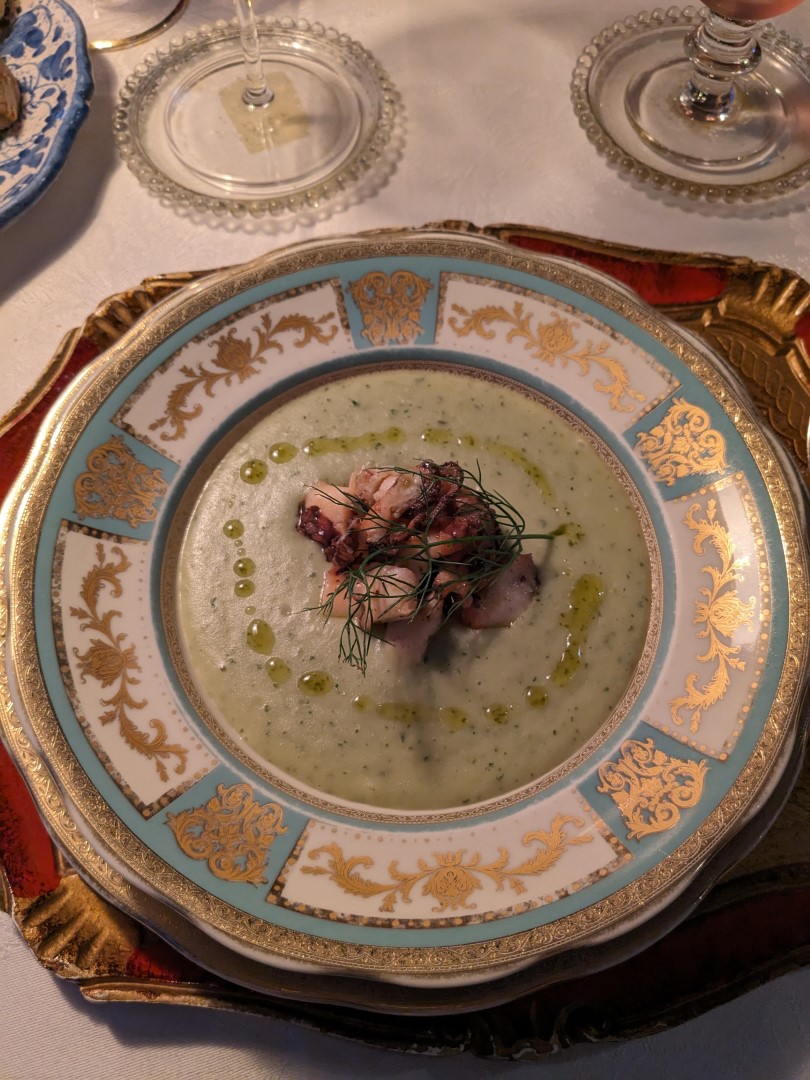
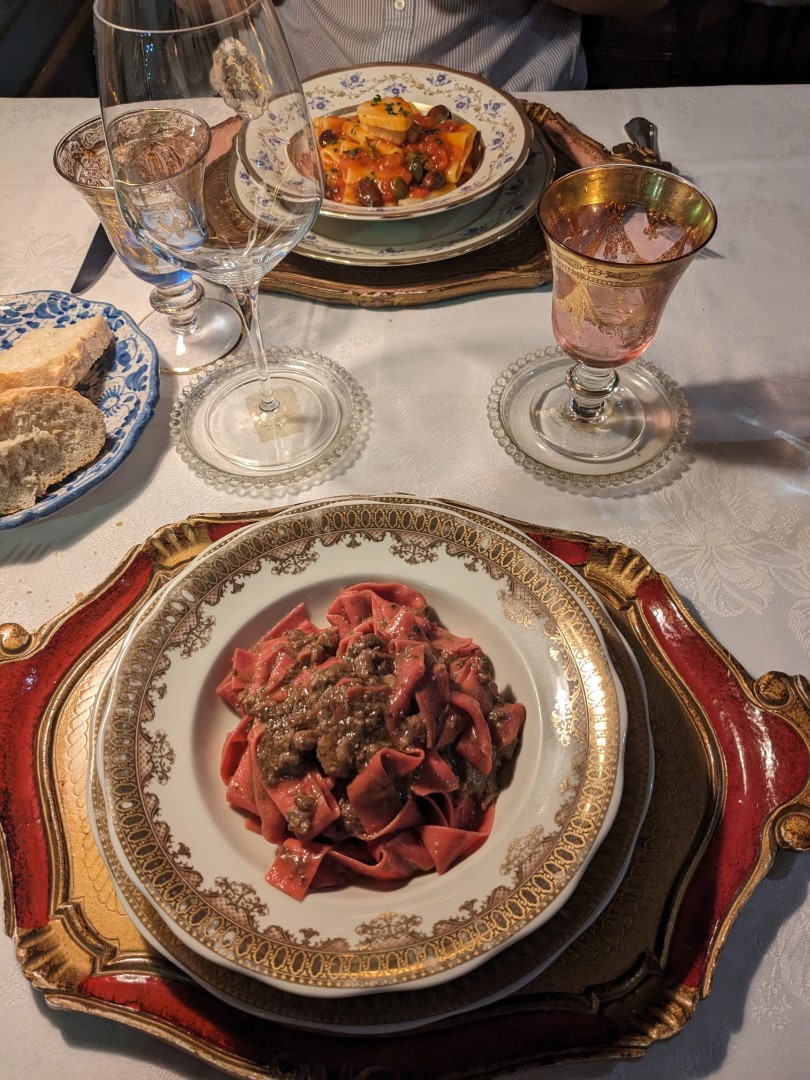
Cam and I also had a date night at swish restaurant Antico Beccaria. The food was about a 7/10, and the service a 6, with the waitress tut-tutting us for some of our food choices “you want salad WITH your pasta. No signora, I don’t think so.” Okayyyyyy then.


Our time in Brescia was wonderful. Sure, the town’s sights don’t pack the same punch as some of Italy’s better-known towns, but the people were (mostly) delightful. The city was easy to navigate. We felt like we were part of things. Nice.
 The Token Traveller