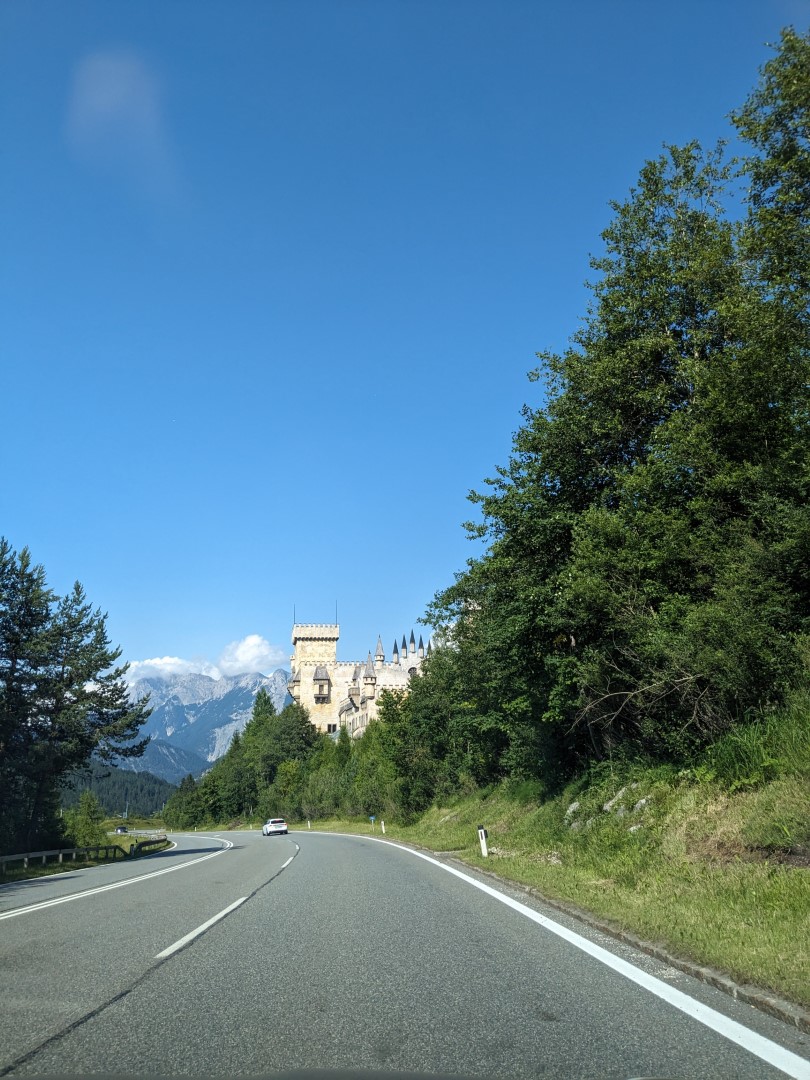
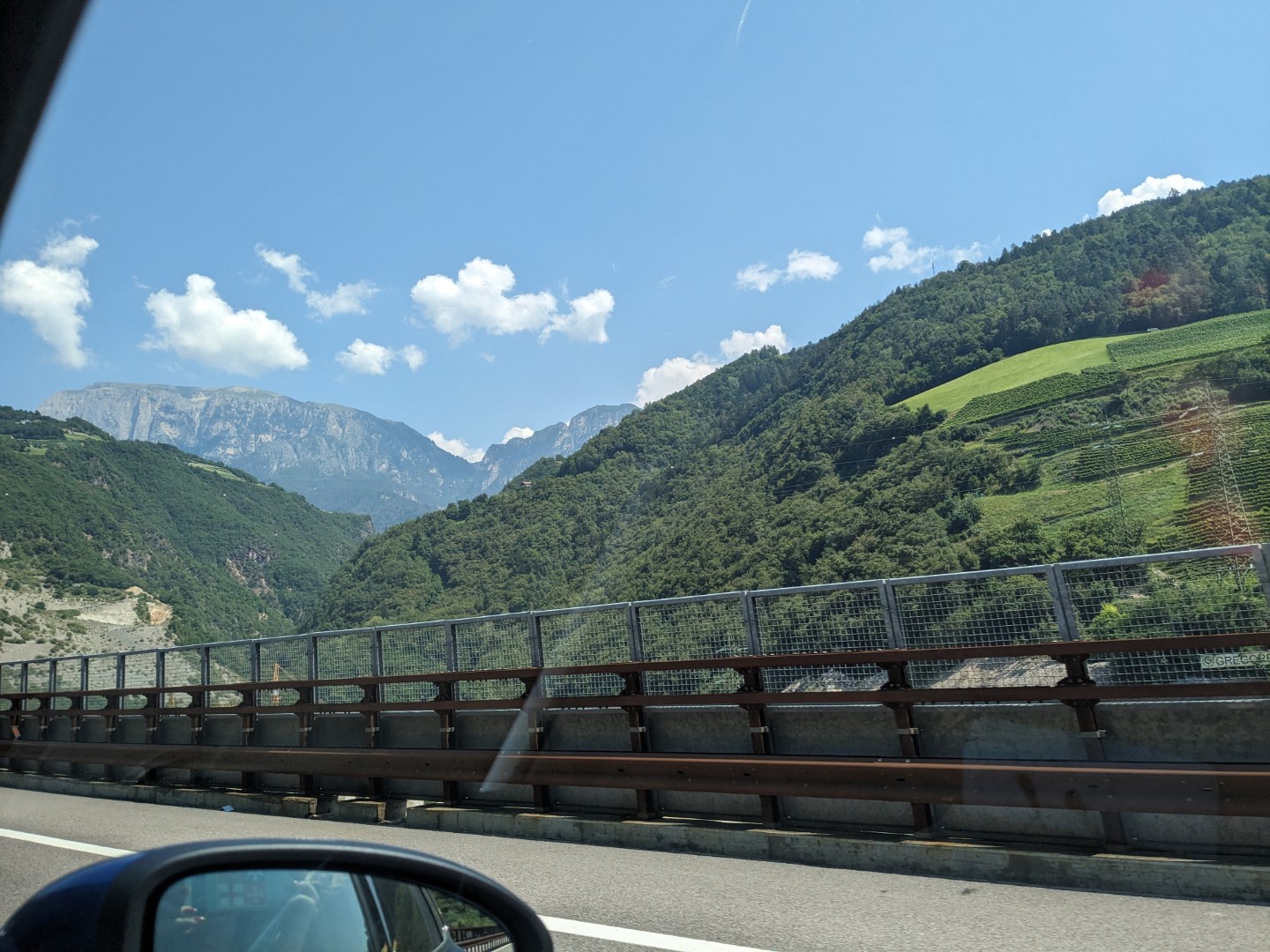
The visually spectacular drive between Treviso and Munich took us about 6 hours, with Cam relishing the chance to speed along at over 170 on the smooth-as-silk autobahns in Germany.


After spending over 3 weeks surrounded by dramatic, passionate, rowdy Italians, Munich was a bit of a jolt to a more “Australian” reality.
Workers rushing to meetings. Disinterested shop assistants glaring at customers. Smiles were rare.
And everything was SO much more expensive; except for beer, which is cheaper than water. Meals more expensive, transport, and accommodation prices are all much higher than in Italy.
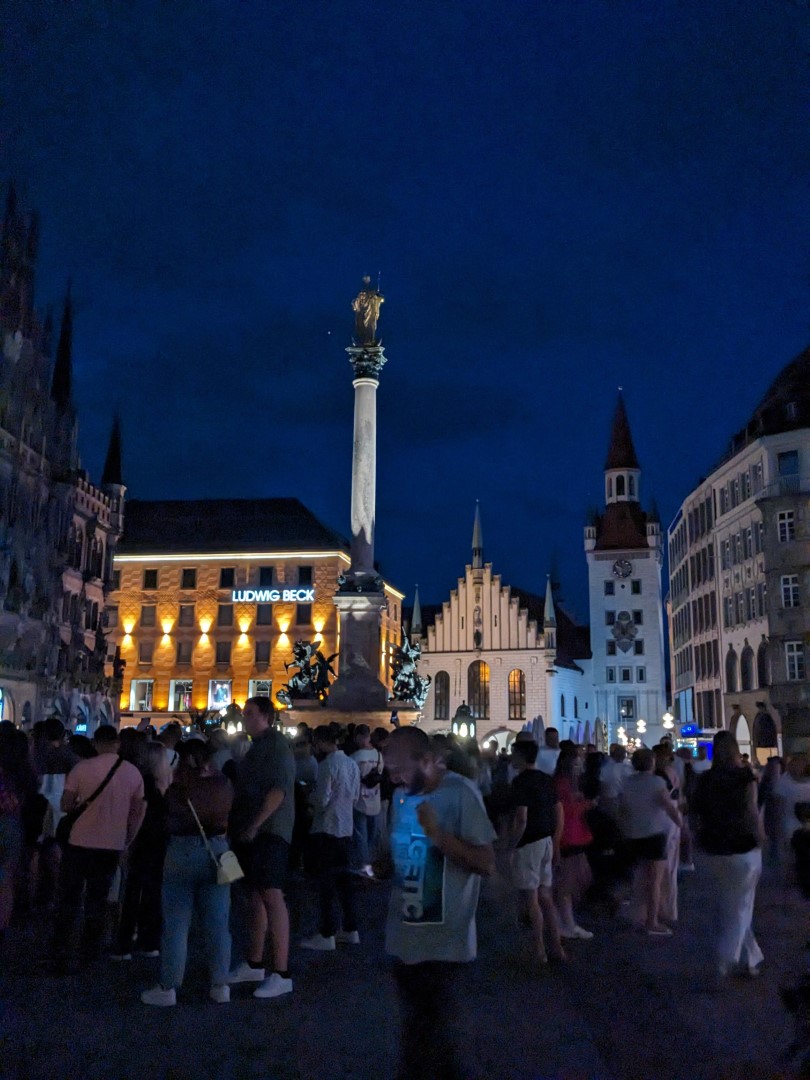
We had visited Munich 10 years prior, so all of the exciting city highlights had already been crossed off our lists; Marienplatz and the dancing clock, the meat-laden windows of the Viktualienmarkt, and the beautifully decorated buildings. We reacquainted ourselves with the city’s layout, and got walking.




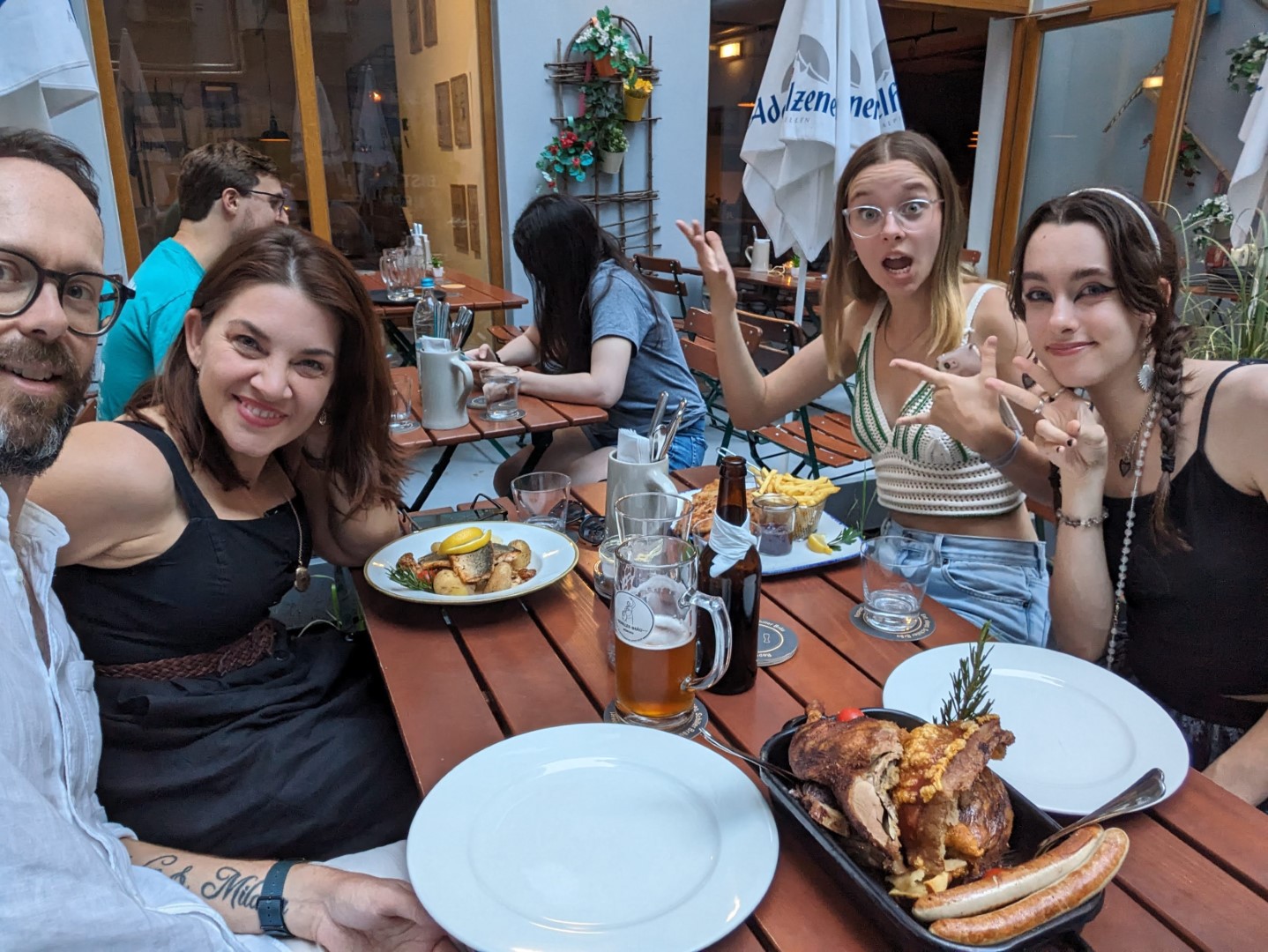
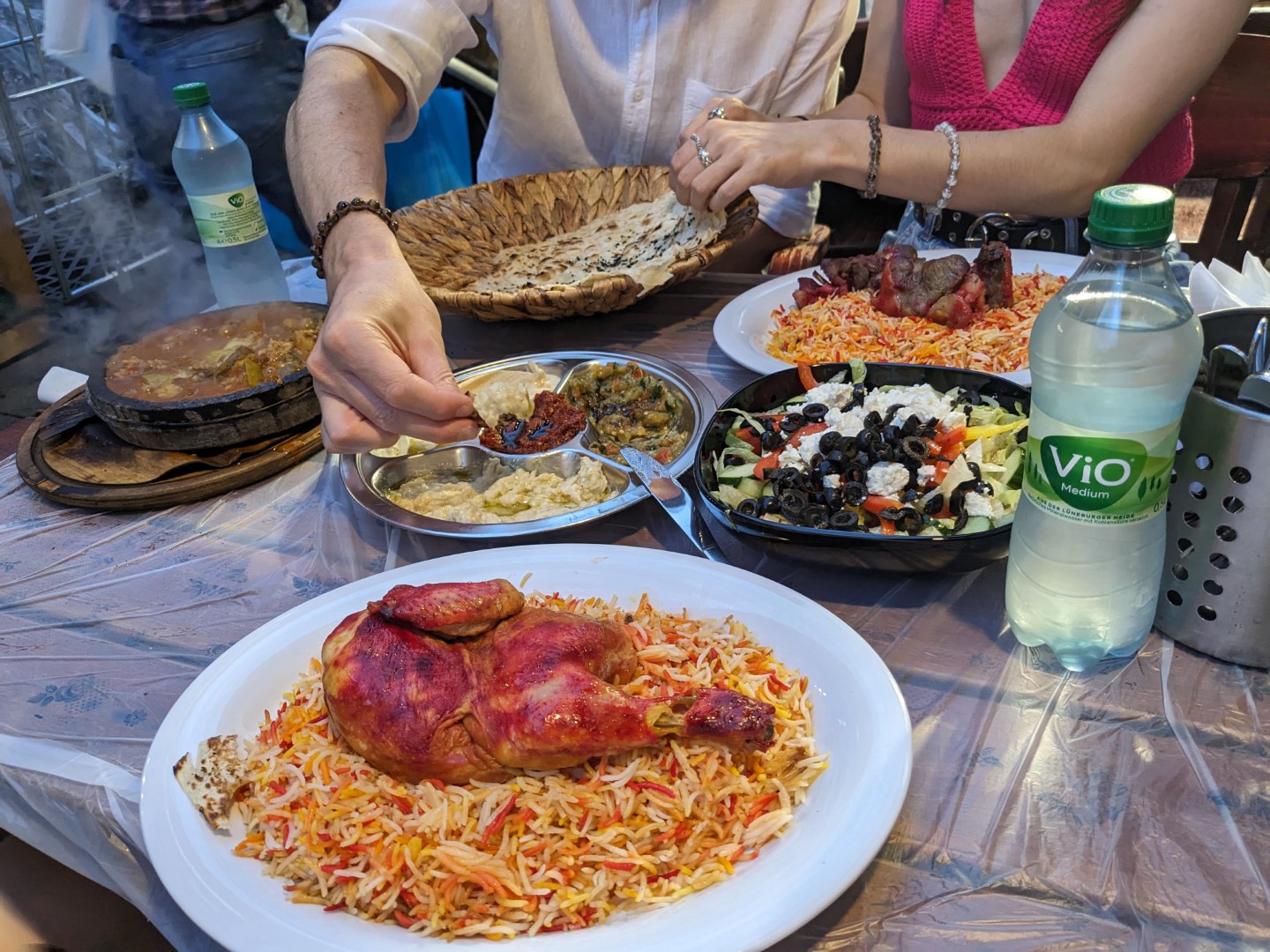
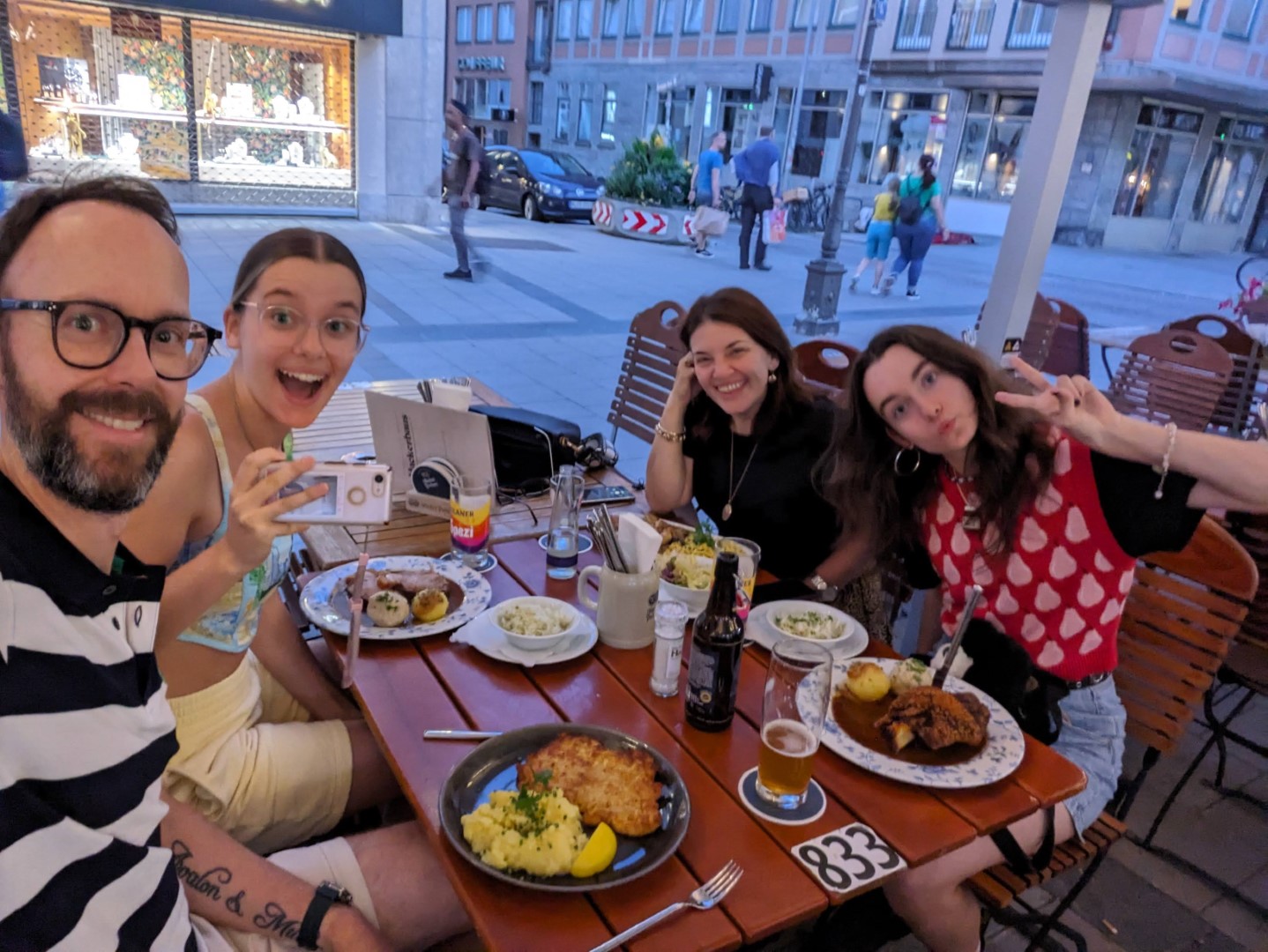
We sampled two “traditional” German feasts involving lots of meat and cabbage. The best meal we had by far, in fact one of the best meals of our trip, was a Yemini banquet at a place in the very multicultural area near where we were staying.


Traditional Bavarian clothing must be some of the most fun, bright and beautiful in the world. Trachten shops filled with starched floral dresses and intricately embroidered lederhosen made you want to try and buy. Yes, I tried, but the girls convinced me I’d look like I was on my way to an Oktoberfest fancy dress if I dragged a dirndl home.
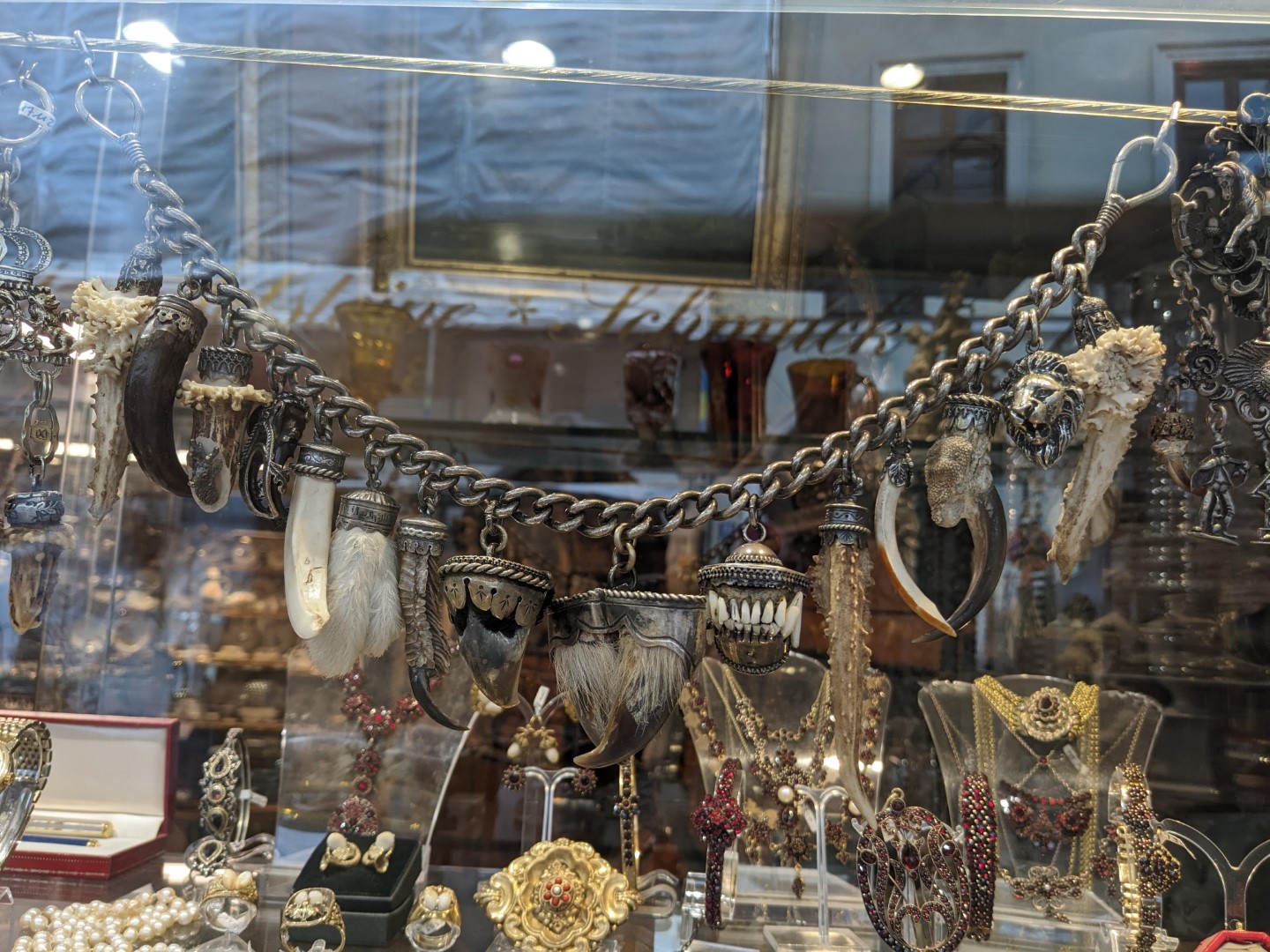
One accessory for the gents I hadn’t noticed on our last trip were heavy silver chains sold in antique stores dripping with charms. Not little shiny charms like on my gold bracelet, but hooves, deer teeth, bones, eagle talons…all veeeeery creepy and “masculine”. Here’s the rundown on these “charivari” from Wikipedia: “Bavarian men wear the charivari on the belt of their lederhosen. The charivari traditionally served as jewellery or as a talisman for a successful hunt. For farmers it served as a valuable status symbol. The charivari probably originated from a watch chain, which was attached to the buttonhole of the costume shirt and hung from time to time with various hunting trophies. It could not be bought, was carefully preserved and was passed down in a single family through the generations.”
They were definitely now for sale. And they were expensive.


The city’s Englischer Garten, one of the biggest city parks in the world, was the one place we saw Munchners really relax and have fun. Teens either rode the river’s manmade wave on their surfboards, floated along in the strong current, or layed in groups picnicking in the heat.
“Don’t worry if you see naked people” the guy we hired bikes from in the park mentioned off-handedly, “it’s allowed in Germany.” Thanks for the heads-up!



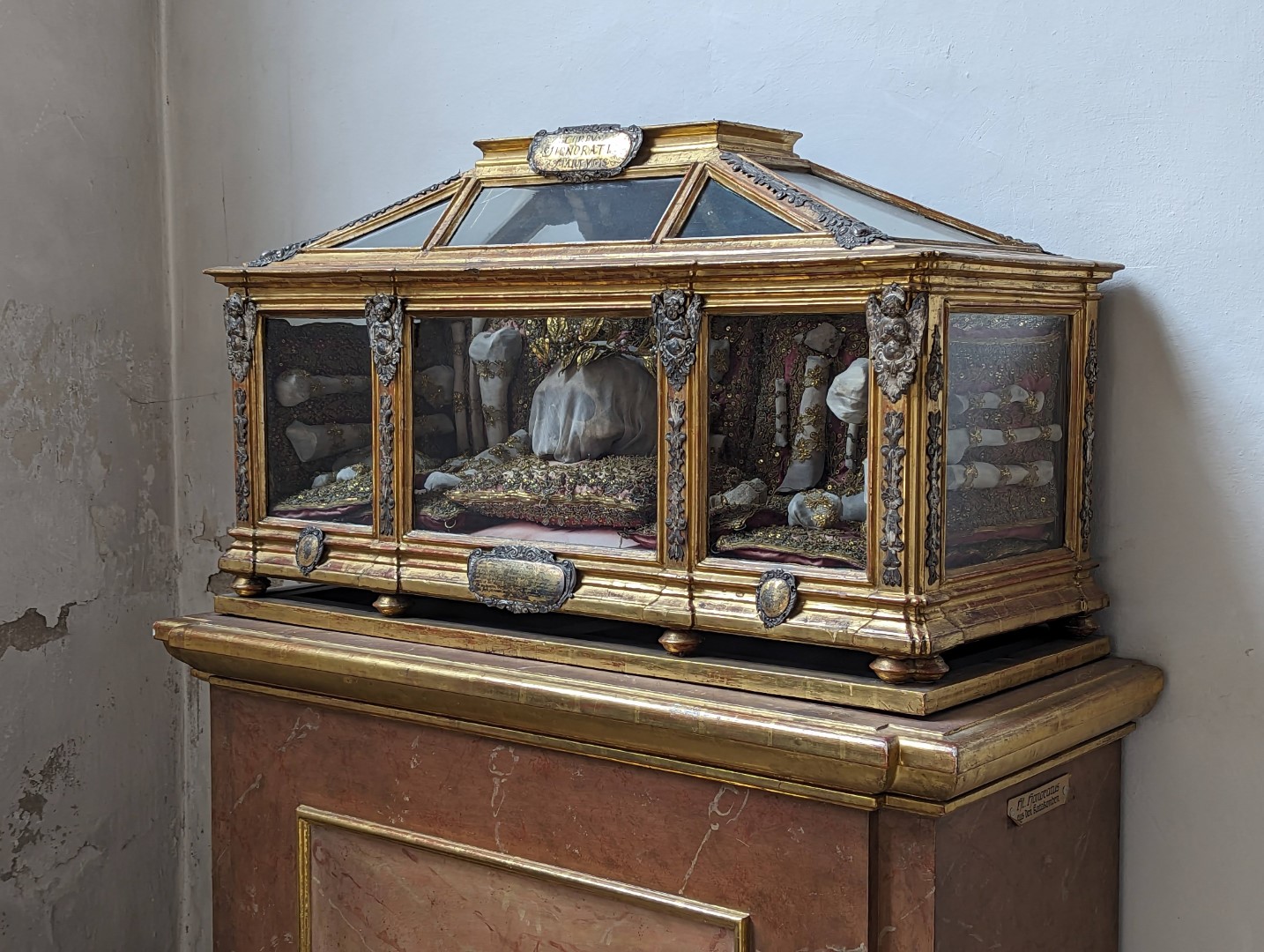
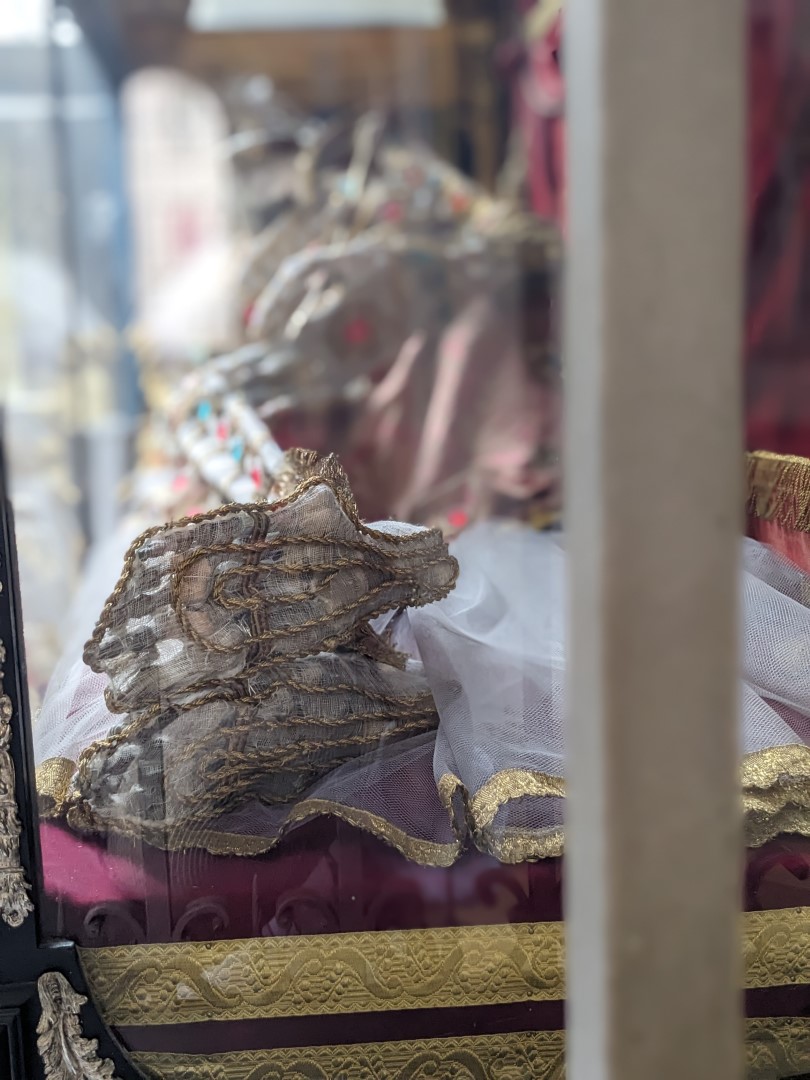
In great St.Clair tradition, we hunted down any saint skeletons we could find, and the jewelled skeleton of Munditia, the patron saint of spinsters, didn’t disappoint.
In St.Peters, her bejewelled relics (she died in 310 and was dragged from Rome to Munich in the 1600’s) are carefully laid out in a glass case. She holds a vial of dried blood, a symbol of her martyrdom, has painted glass eyes, and is covered in gauze, gold and jewels. You can even see every tiny footbone through her little netted socks.
Also in St.Peter’s is a glass casket holding the Skull of Saint Erasmus, the patron saint of intestinal ailments. A fitting choice since he was put to death by having his intestines pulled out and wound around a wooden post. Ahhhhh, “the good ol’ days” etc.

How could 5 weeks have flown by so quickly? We saw so much, learnt, grew, and ATE so much. The girls bought Crocs (gross).
We had an amazing time just enjoying each other’s company, and laughing non-stop. I adored travelling with our amazing famiglia, and didn’t miss one thing about being away from “home”. Except maybe singing songs about the cats…although that fine tradition lived on even in their absence.
Bring on the next adventure!




 The Token Traveller