In my research on Hue (pronounced H-way), I did not read anything about it being a university (and therefore party) town. I read about the historical citadel, imperial history and countryside royal tombs, but nowhere did it mention that there would be streets teaming with young people out for a beer, a thumping nightclub and a late night! We managed to include some of the history and some of the late nights in our stay in fabulous Hue.


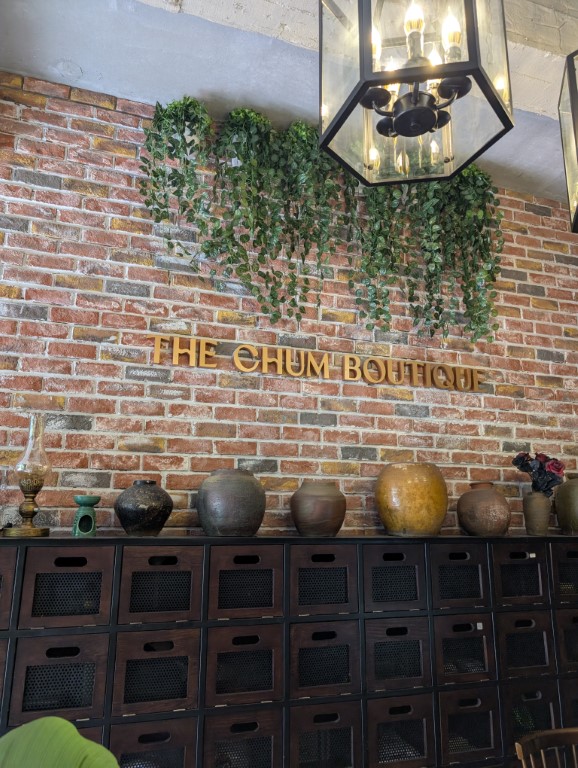


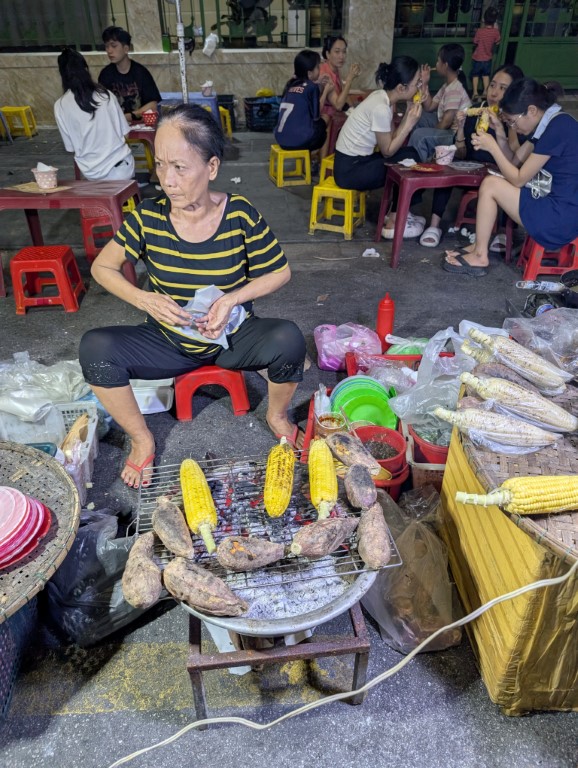
Our elegant boutique hotel The Chum (decorated in the same French meets Asian colonial style as our hotel in Ho Chi Minh) was walking (or drunken rented bicycle-riding) distance from the centre of Hue’s action, “Walking Street”. It was also just around the corner from a local street food market where we feasted on 80 cent grilled mystery meats on sticks, and $1 banh mis, surrounded by loads of teenagers squatting down on the little red plastic schools that vendors bring.
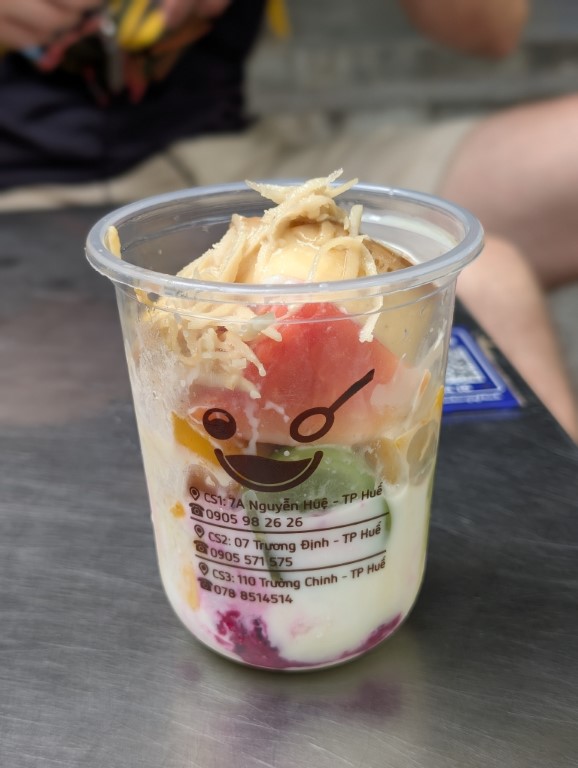
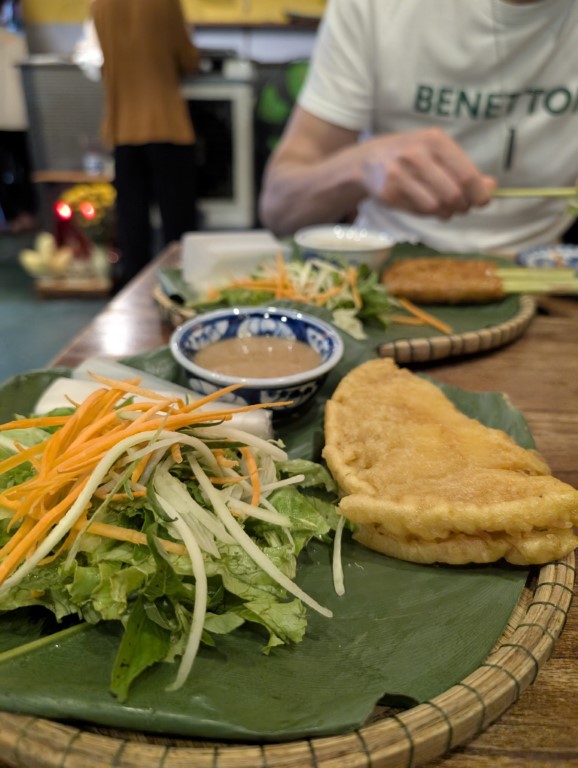
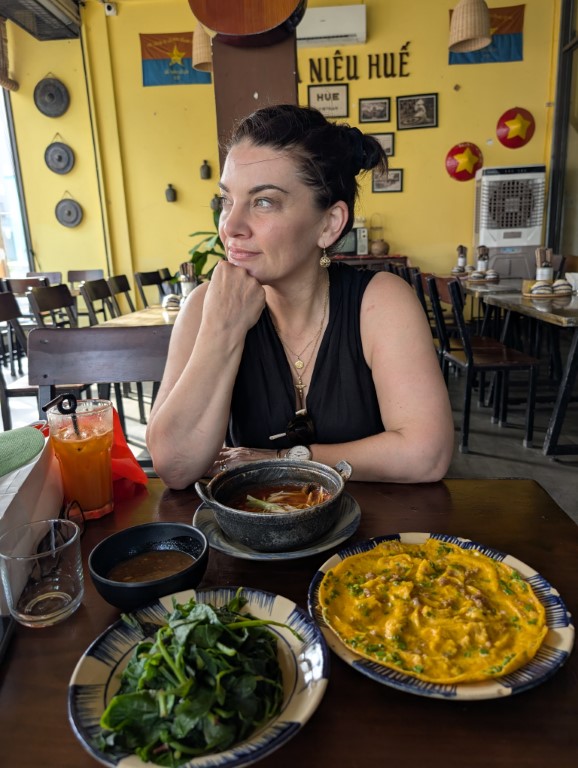
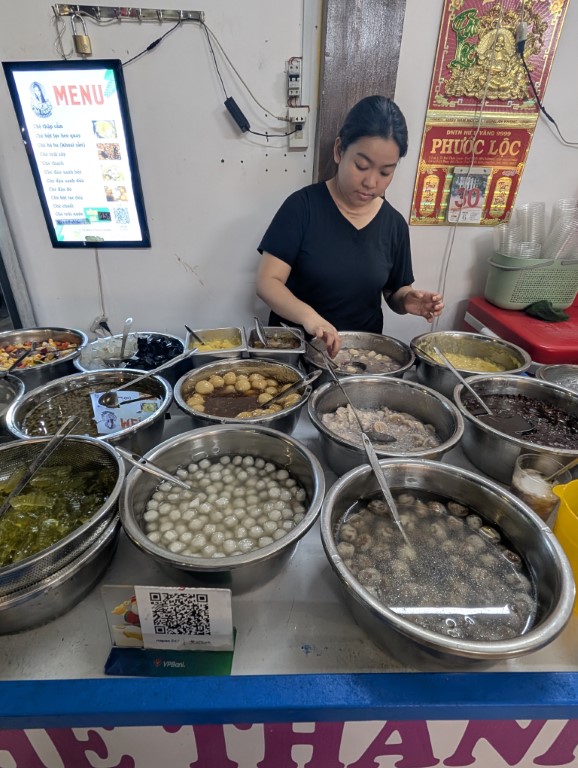
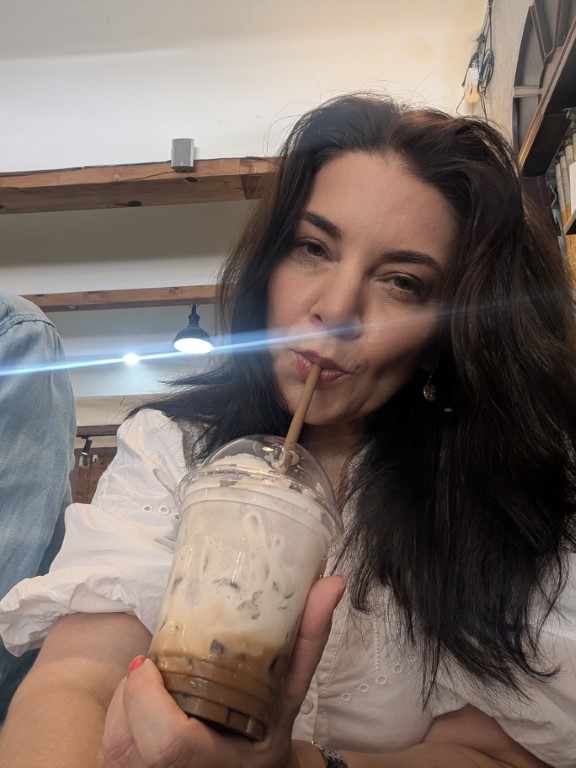
We ate so much food in Hue, and tried some local specialties including Bun bo Hue (beef noodles) from a street cart; salted coffee; Che Hue (sweet soup with tapioca, bean or fruit condiments); and keo me xung Hue (sesame candy).




Walking Street on a Sunday night was wild. Every bar and restaurant in the area was heaving with young people, possibly marking the start of a new Uni term. Guys dressed as Transformers paraded along the street, other street sellers wearing a range of bizarre costumes harassed people at the bars to buy their toys, their sweets, fruit, or trays of dried squid.
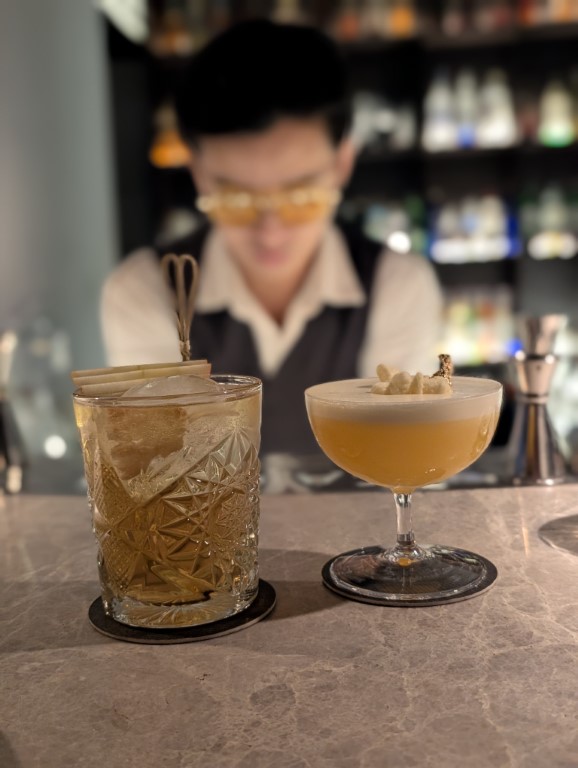
We tried fancy cocktails at empty bar Aura, then went dancing at Sophie Club where DJs were treated like wrestling heroes with models carrying out banners with their photos and waving chequered racing flags. The MC (who for some reason just hung round on the stage rizzing up the DJ) spoke over every song. Grrrrr. The same cute models with bored faces and zero sense of rhythm attempted to entertain on the stage with their dancing and posing. No-one in the crowd danced apart from one table of European backpackers. And me. Instead, patrons gathered round small tables drinking from cocktail dispensers with friends.

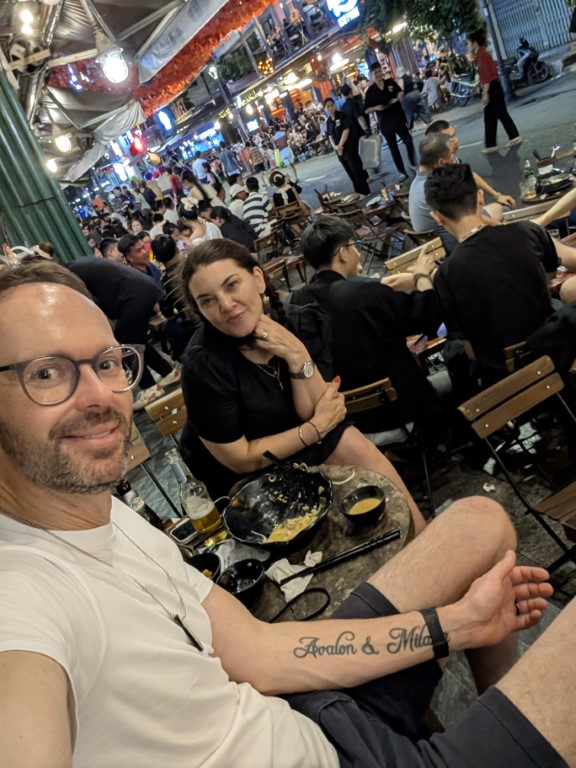
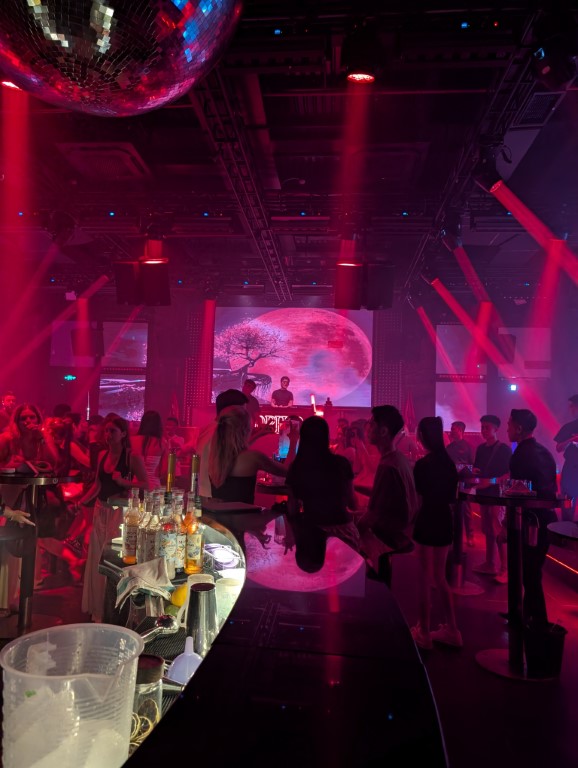


Seeing the mood change when an obviously well-known wealthy business man entered the club was insane. Drinks were brought to his table, fruit platters were carried to his table, beautiful hostesses, other random girls, and the hopeless dancers were ushered to his table. None of them looked to be having a good time. He, however, looked to be having a splendid night!
We noticed big black balloons being brought to peoples’ tables too, and had no idea why they were holding on to them and slowly inhaling the gas…until we went to another club to continue our night.
Alita was decked out in silver lounges with a retro-futuristic interior. Neon lights, mirrors, LED screens: what the 80’s imagined the future to look like. Even the toilets were mirrored on every surface. Every wall. Even the ceiling. We ordered a balloon, and Alita’s manager joined us at our table along with two bar tenders to check we’d be ok. I’m still not sure what was in the balloons. The manager called them “smile balloons” and explained that I needed to breath the gas in slowly to get a brief but intense happy feeling. The whole experience was very strange, and yes, there were happy, light-headed rushes.


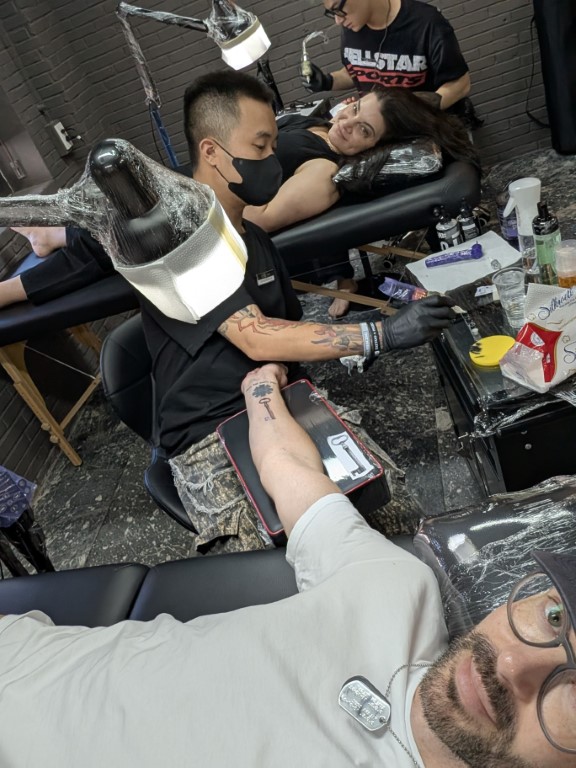
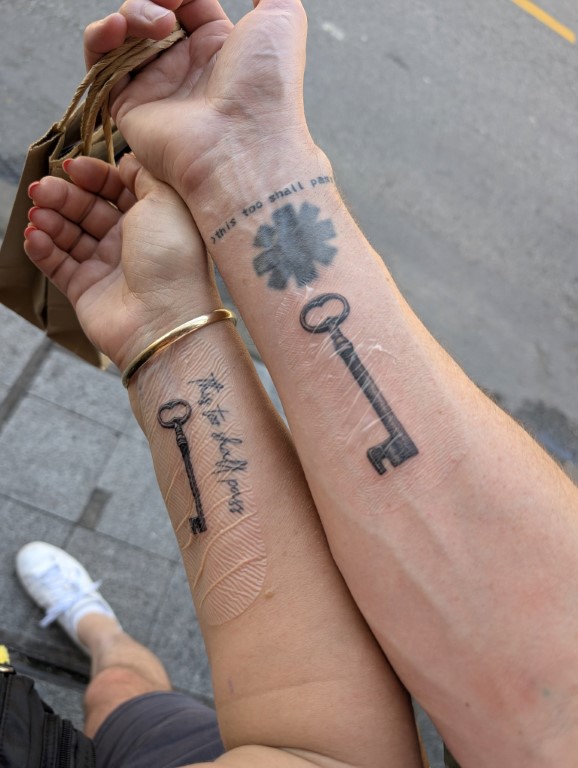
The proliferation of youth in Hue also meant there were trendy coffee shops everywhere full of people sitting around in groups chatting. There were also loads of second-hand clothing shops, like Hurricane, filled with American and Japanese cool-kid clothes. There were tattoo shops, and we got matching key tattoos from 1984 Studio, where Kandle, Ryu and Tom were super cool, professional and sweet. The keys were sketched out by Kandle from a photo sent by our cousin Aurora in Italy: keys from the Doge’s Palace in Venice where she’s a tour guide, that open mysterious locks around the building.

We did our fair share of historical exploring in Hue too. The glories of past emperors can be seen in the Unesco World Heritage listed sights in the Citadel and Imperial Enclosure. Hue was the capital of Vietnam for a spell in the early 1800’s. Heavy fortified walls and a moat surround the complex of temples, palaces and gardens.
The weather was wet and humid, so we decided to get round the site on rented bikes to speed the tour up, riding over the cobblestone pathways and passing by ornate timberwork and painted gates leading to bonsai gardens, a theatre, and ceremonial halls decorated with elaborate dragons and bronze statues.
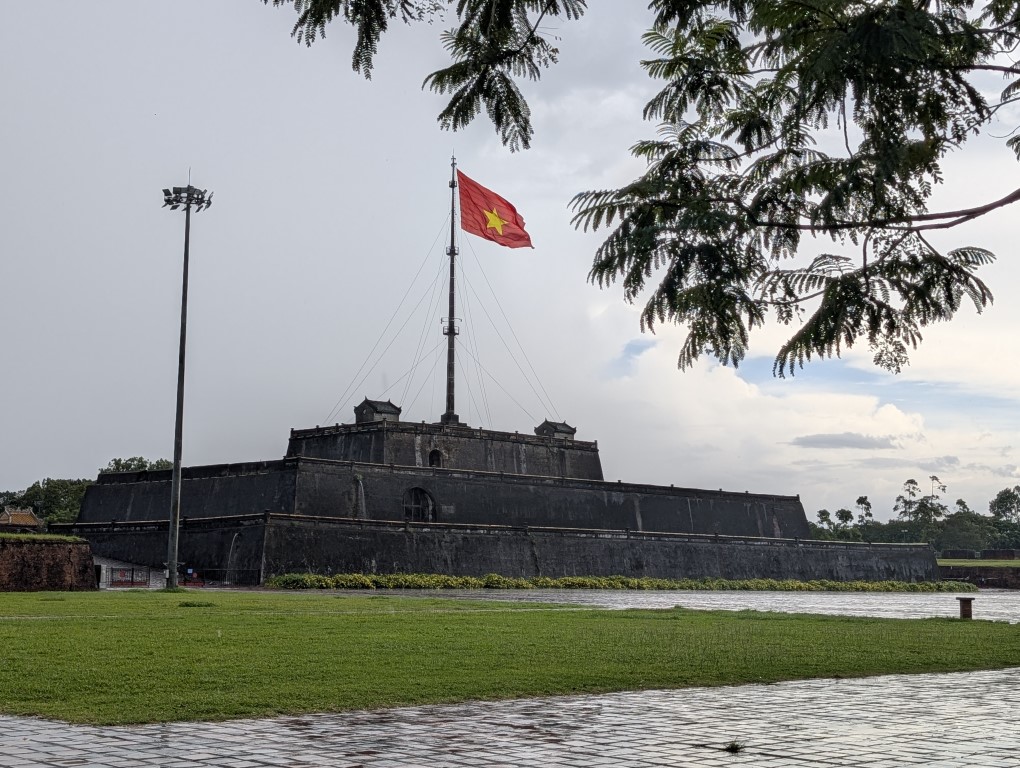
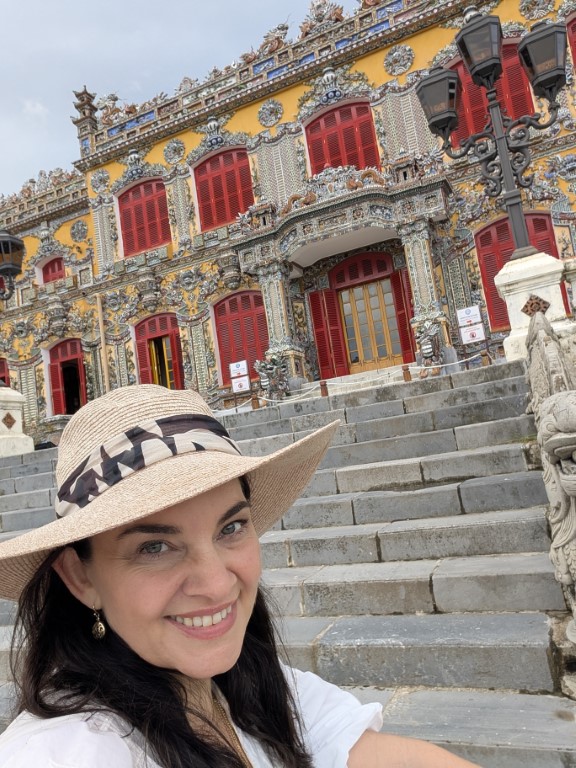
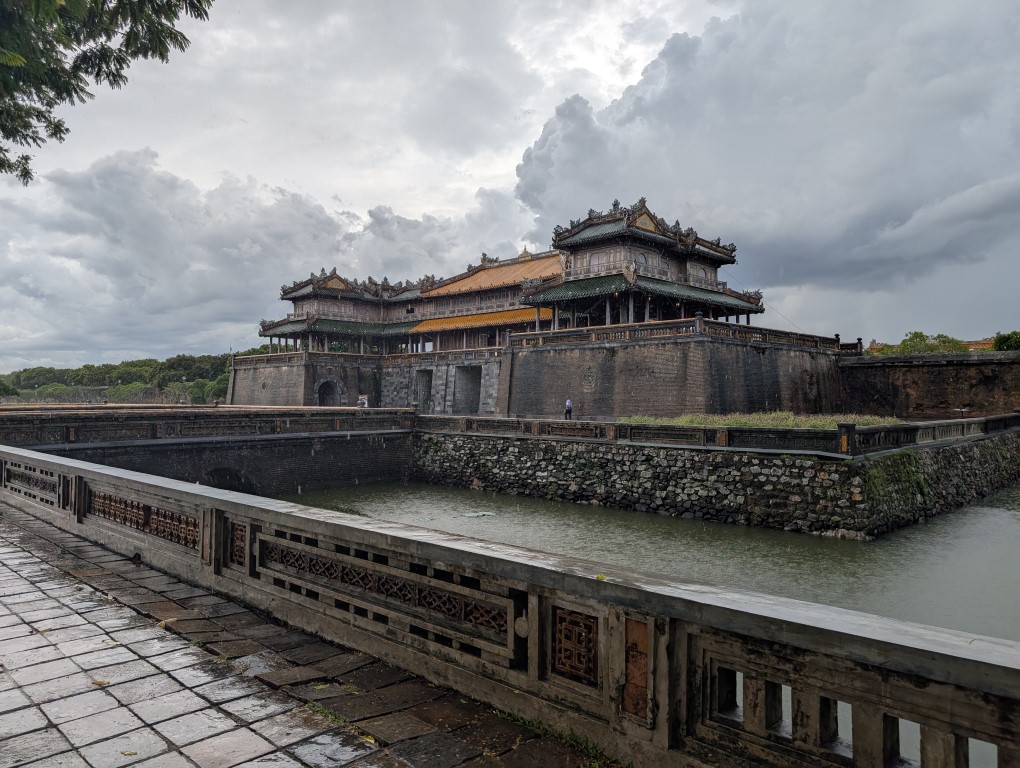
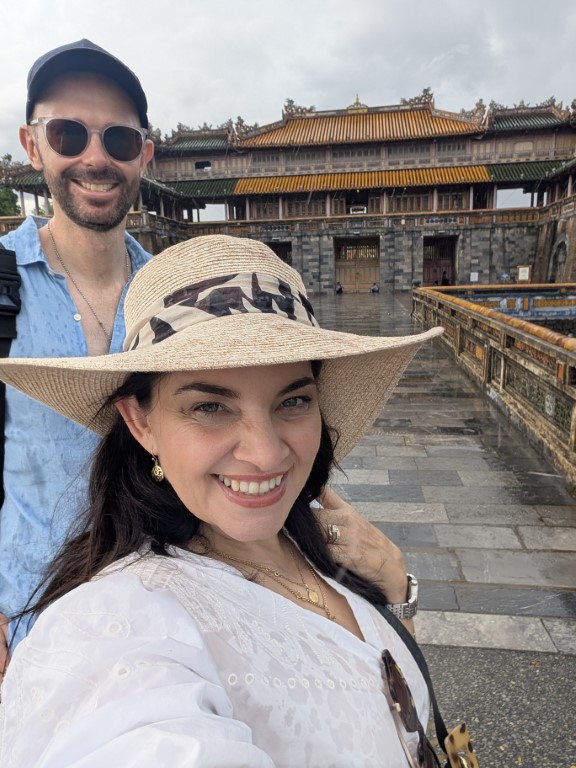


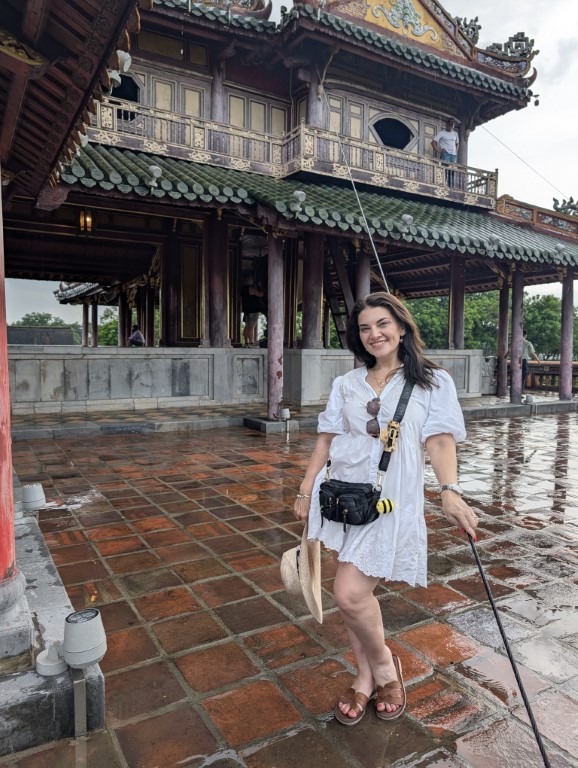
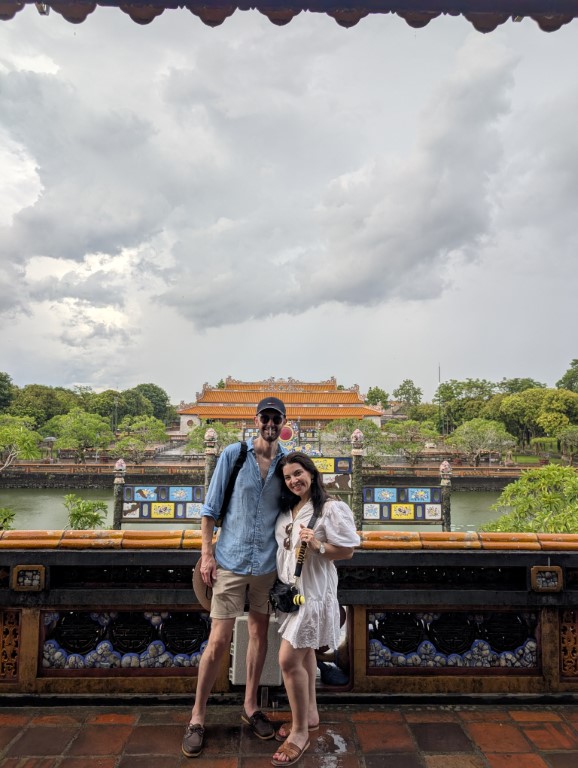
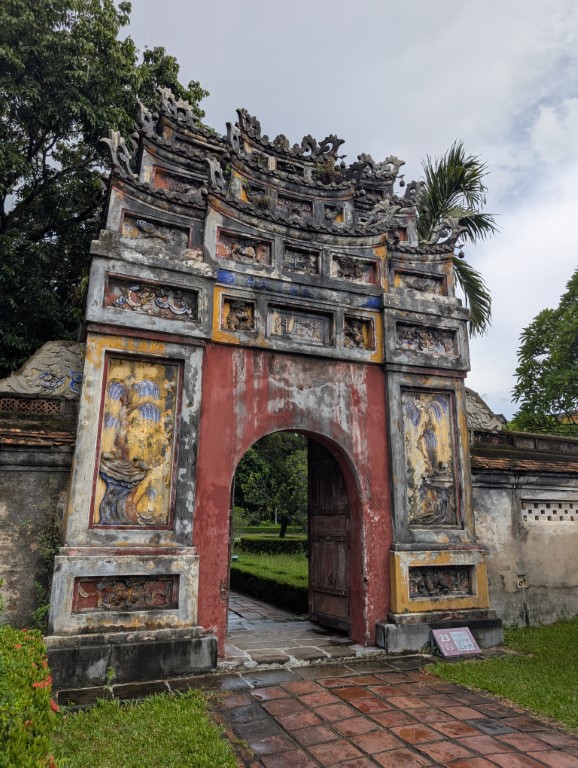
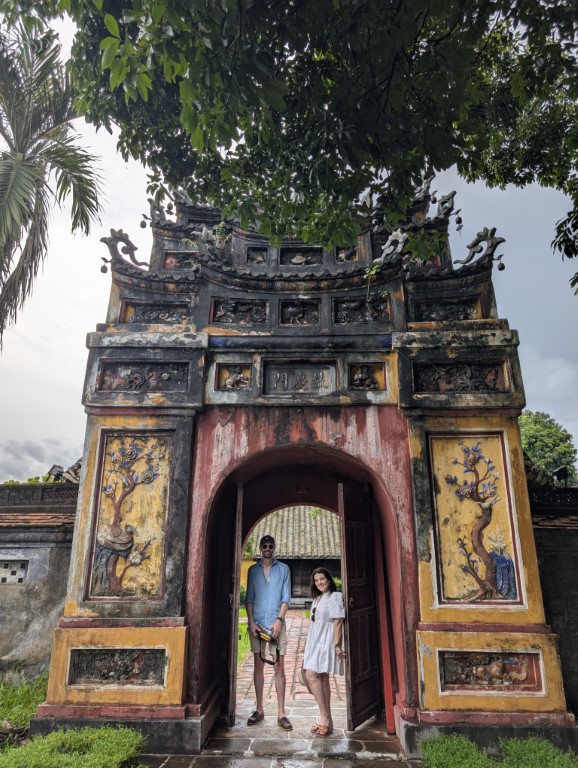


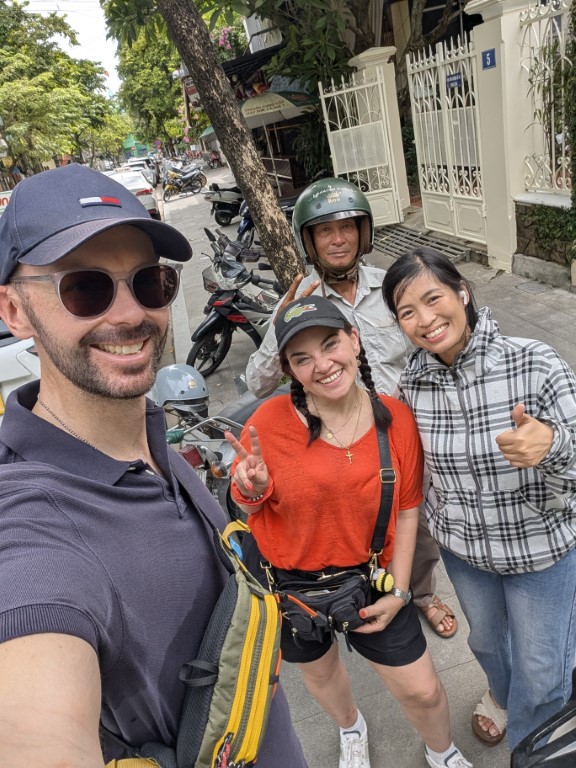
On our way out of the Imperial Citadel we were approached (as usual) by a tour tout asking what we were up to the next day. With nothing really planned, Louie suggested a motorbike tour with his family Le Family Riders, visiting some of Hue’s more out-of-town attractions. We liked the idea of it just being the two of us and that we could pick and choose what we wanted to see.
So, bright and early (9:30 is super early for holiday us) we were picked up by Louie’s sister and father with two motorbikes ready to go. It was a fabulous day, with his sister touching on some historical facts, but leaving us to roam around each attraction as long as we wanted. Travelling on the back of motorbikes, darting between the crazy traffic, and feeling the rush of air on a hot humid day was delicious.
We started at the 7-story Thien Mu Pagoda, built in 1844 and still used by local monks.



We then went to the tomb of Tu Duc who became Emperor at just 18 y.o., and reigned from 1848-1883. The mausoleum was constructed in the 1860’s, designed by the emperor himself while he was alive. Not sure when he had time to design it considering he had 103 wives and numerous concubines; kid-free however thanks to mumps and smallpox in his youth. He was a hard taskmaster when it came to build times. Unpaid labour and worker abuse spawned a coup against the emperor in the Citadel. No surprise that royalty won that battle, and old mate’s tomb was completed in time for him to enjoy living there in his final stress-filled years. He died at just 54.


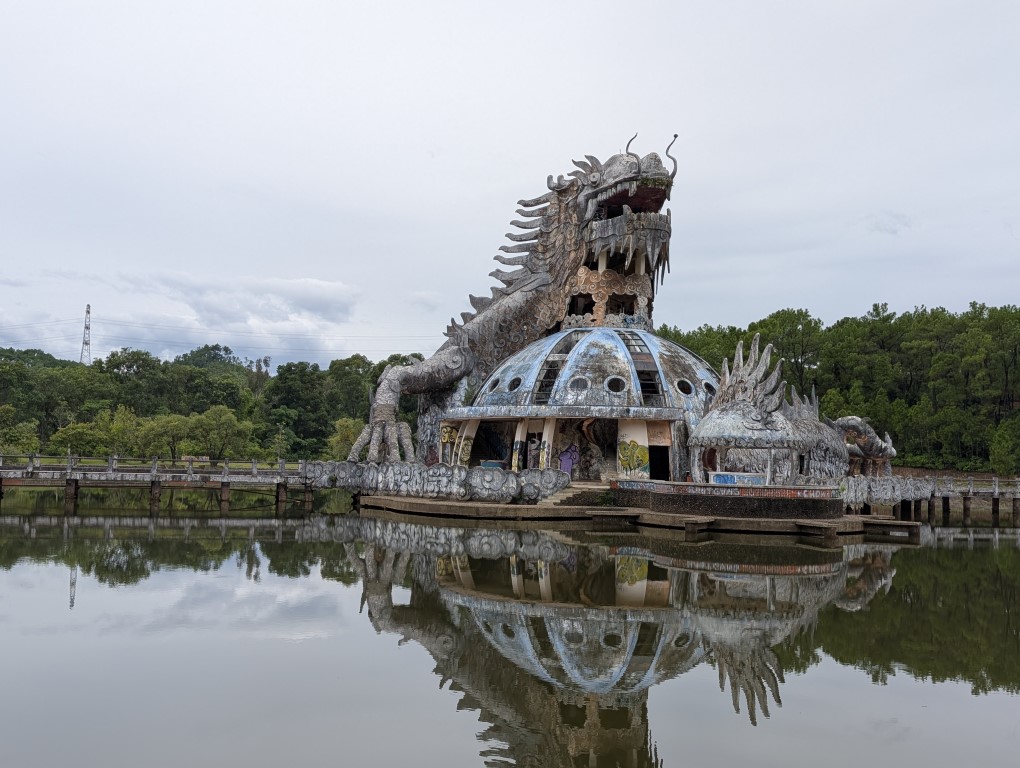
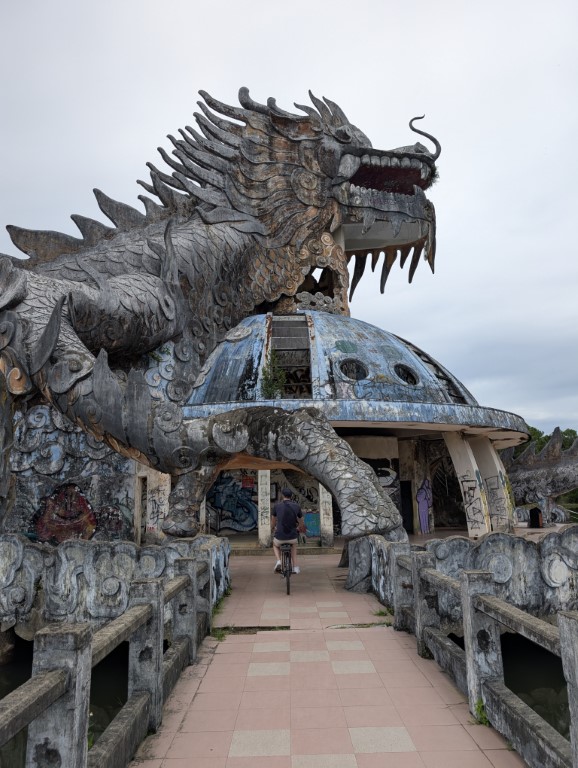
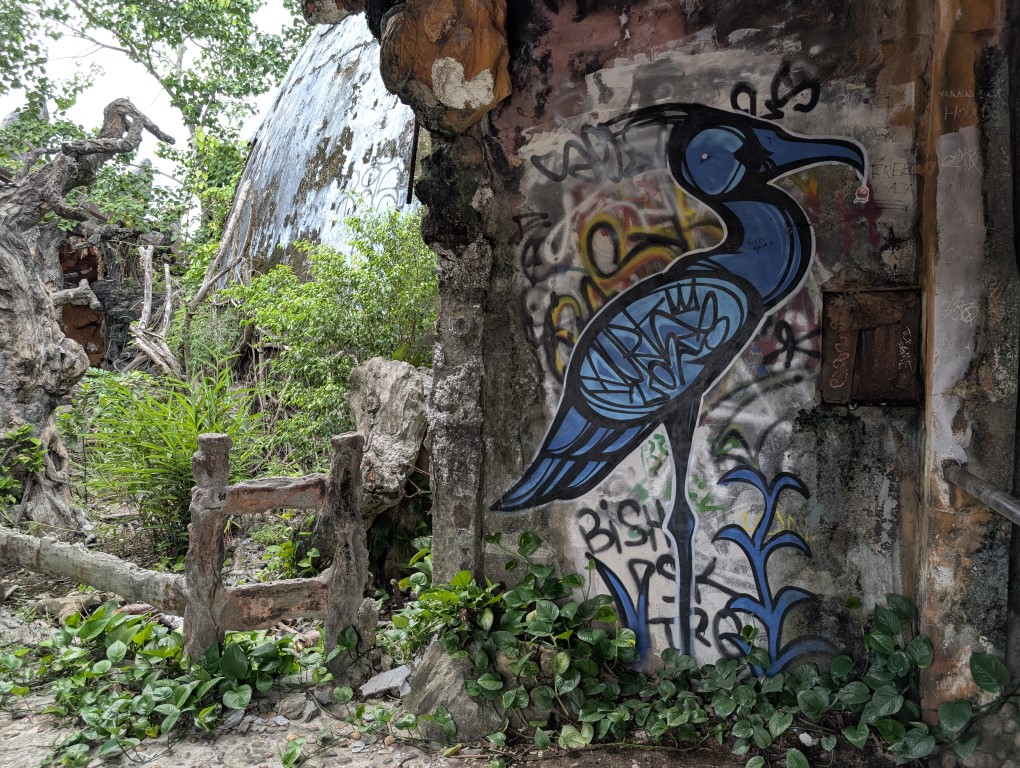
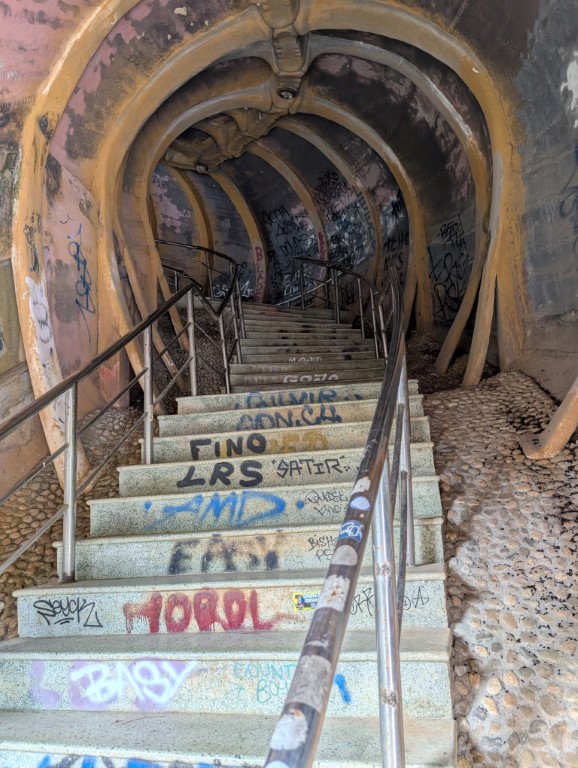
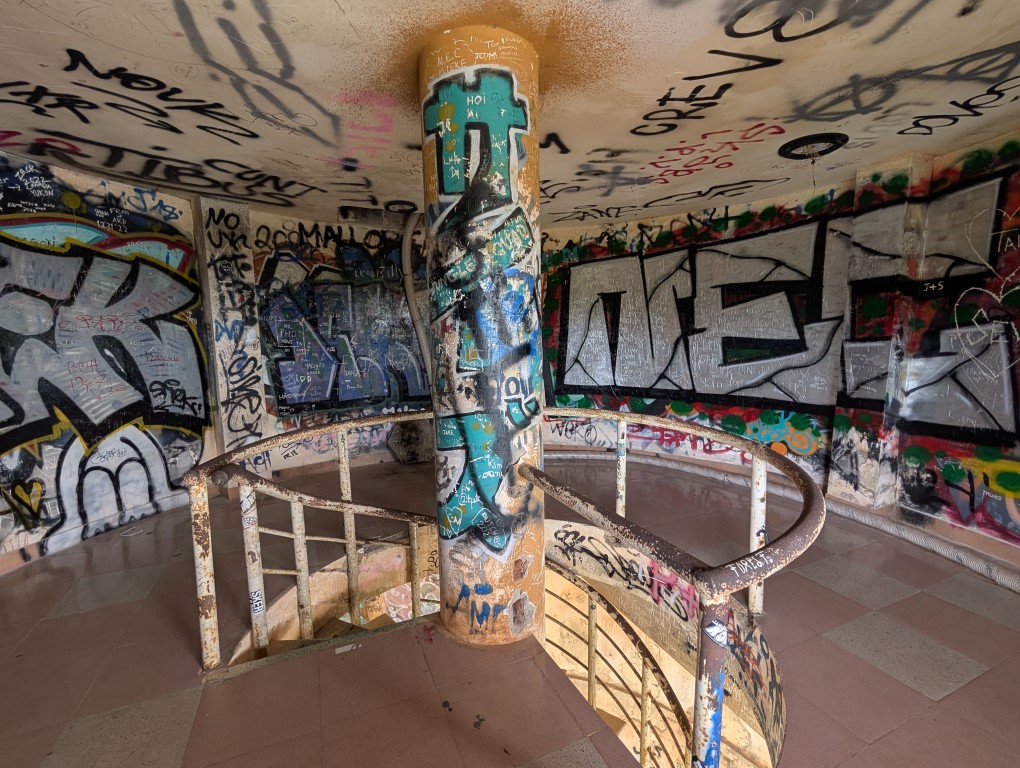
We wrapped up the day at an abandoned water park, built in 2000 and opened in 2004. It cost over $3 million to build and when it opened featured a three-story dragon filled with aquarium fish, sharks and manta rays. There was a flight simulator, water slides, a lagoon, and for a few years was packed with families needing an escape from the heat.
Then, nobody came. Funds dried up, and the complex shut down.
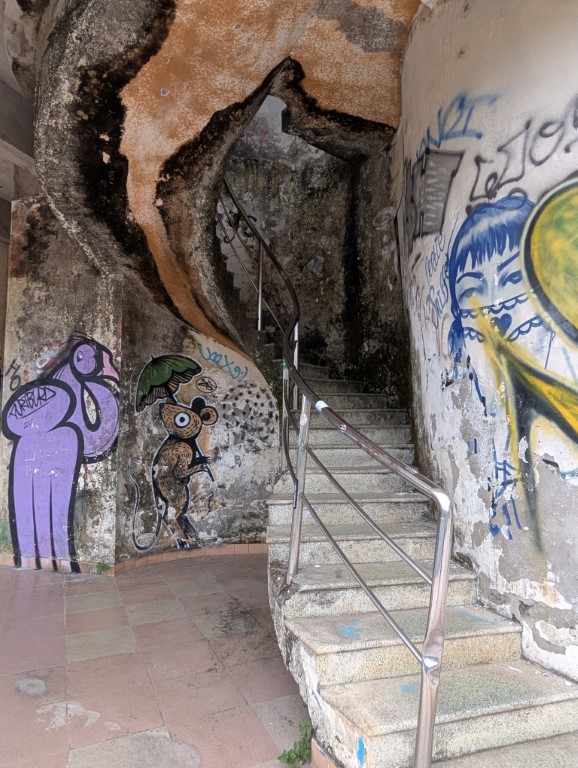
There have been attempts to dismantle parts of the park, but each time the bulldozers have come in, unfortunate weather events have occurred. This sent locals in a superstitious panic, especially in the year of the dragon, and they begged developers and the local government to keep it in tact. The park remains open to the public with the sight in its beautiful, broken state of decay now attracting visitors who take photos and imagine the hollow, graffitied spaces once being filled with children and laughter.



The trip between Hue and Sapa was a long one. Step one was catching the Lotus Train overnight to Hanoi. Local transport operators should definitely consider taking on some personal communications training. There was nowhere to leave bags at Hue station, and no station staff to ask for assistance. When an attendant arrived, she sat angrily on a desk at the front of the waiting room and snapped at travellers asking for help. Announcements were indecipherable over tinny speakers and made by aggressive station staff. Screens showed news or historical drama videos instead of timetables, so apart from regular rail users, everyone was confused.
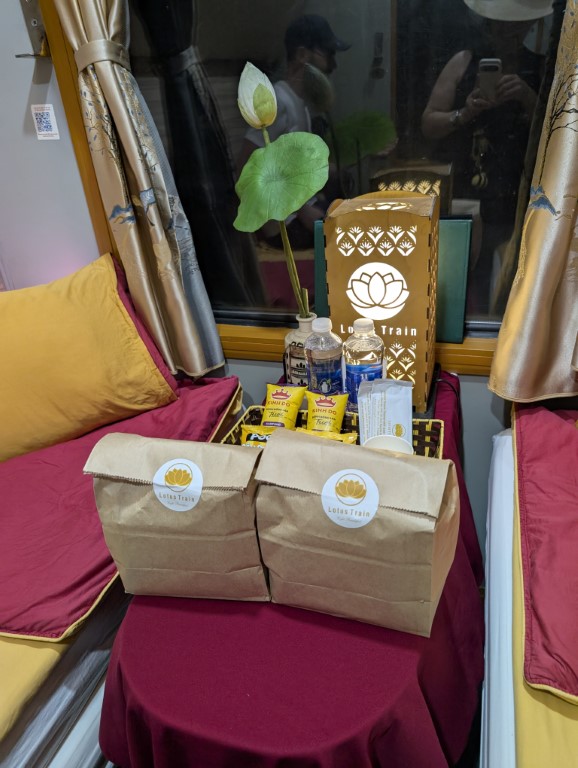
On board the train we had our own cabin piled with sugary snacks. The Lotus Train was a great time: Comfy. Perfect temperature. Apart from a random guy offering us foot massages who tried to steal our cabin documents, it was a real adventure!


 The Token Traveller