We arrived in Sapa exhausted after an 11-hour train ride on the Lotus Express to Hanoi and then a 6-hour ride on an awful bumpy sleeper bus being yelled at by a grumpy driver “NO FOOD” who was watching Vietnamese YouTube music videos the whole way.
Sapa town was nothing as we had expected. I had imagined a sleepy hillside village with a few homestays, small restaurants and gift stores. Instead, it was a flashy tourist-trap of a city, lit up with neon signs, nightclubs, bars, restaurants, and massage spas on every corner.
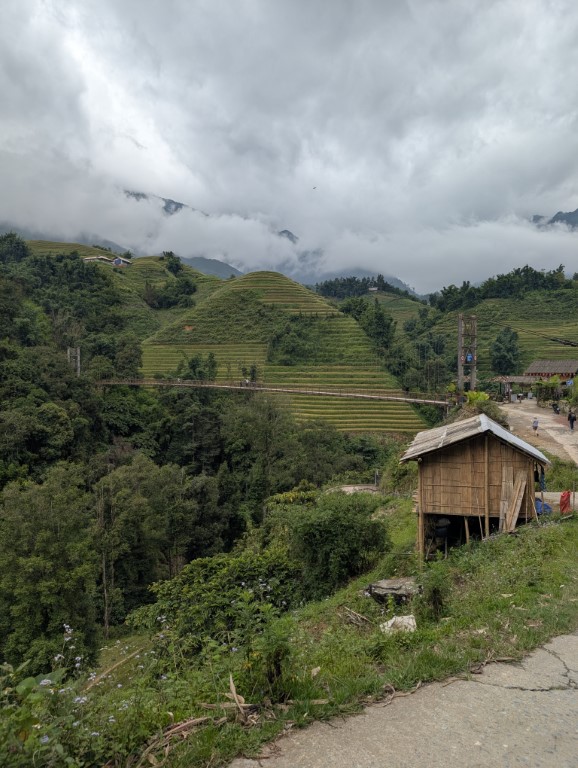
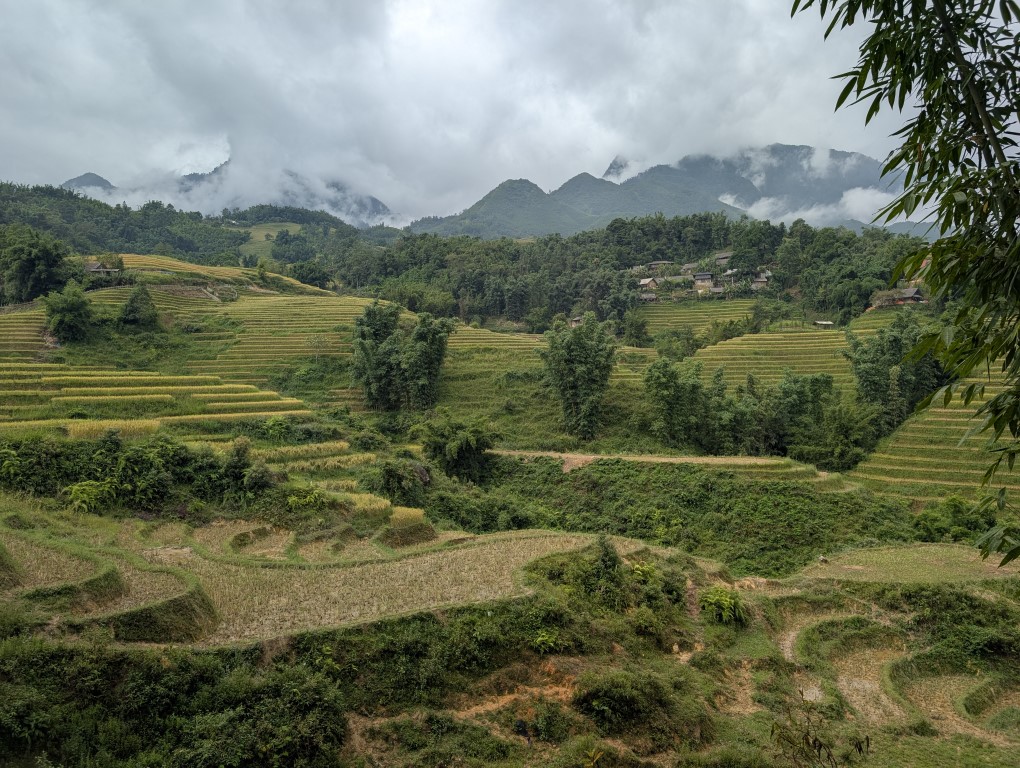
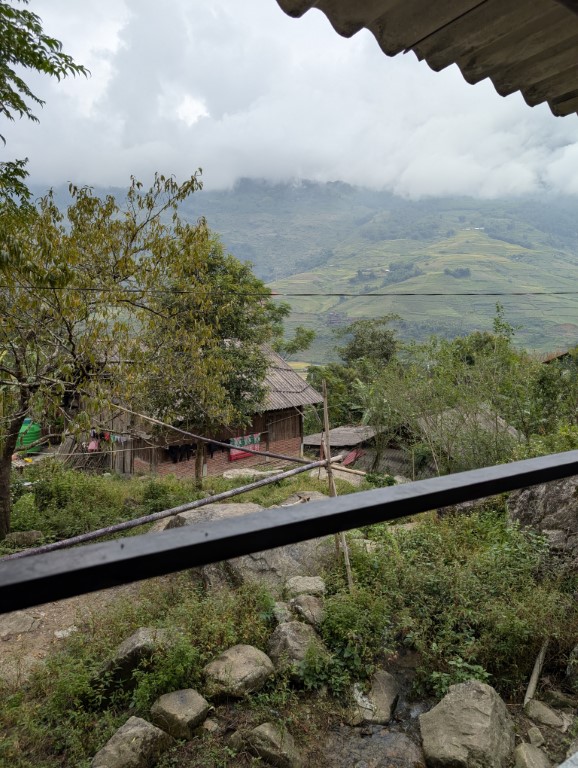
We had decided that we wanted a farm/country leg to our holiday, and our three nights at Chapa Farmstay Mountain Retreat, about 20 minutes out of the town via rocky, eroded roads, would give us a refreshing breath between chaotic cities. Our timber and bamboo stilted mountainside home offered sweeping views of terraced rice fields, lush forests and green mountains beyond. It was a dream. Our room also featured cloth hand printed and woven by local Hmong villagers, a super comfy bed and our own ensuite.
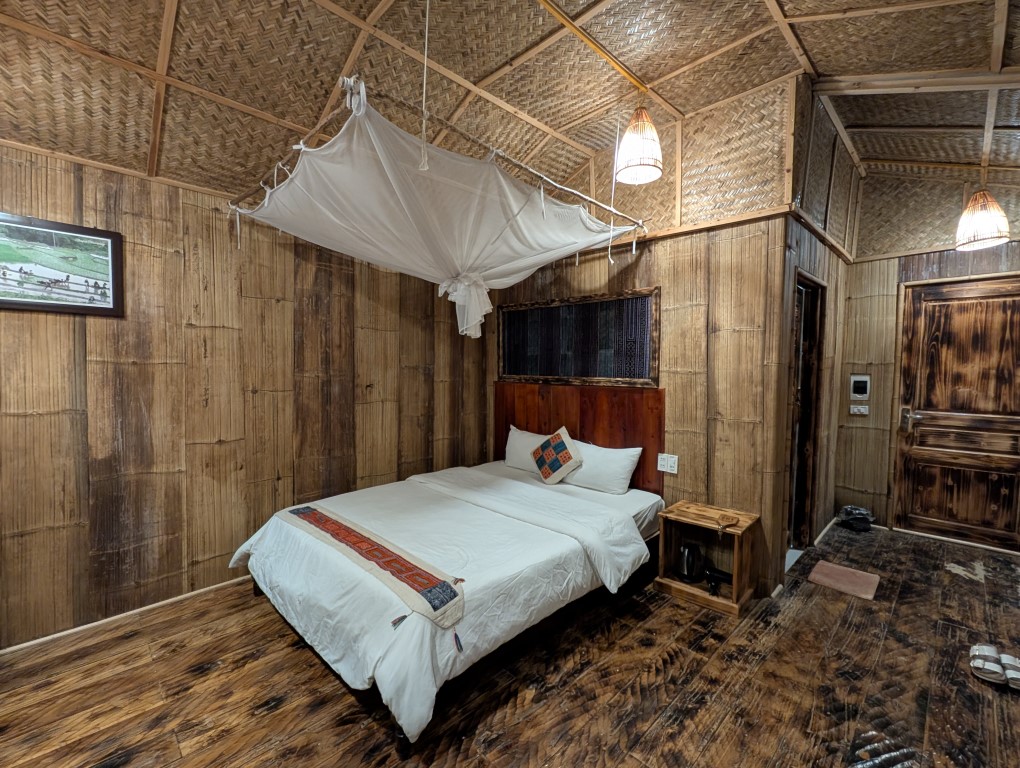
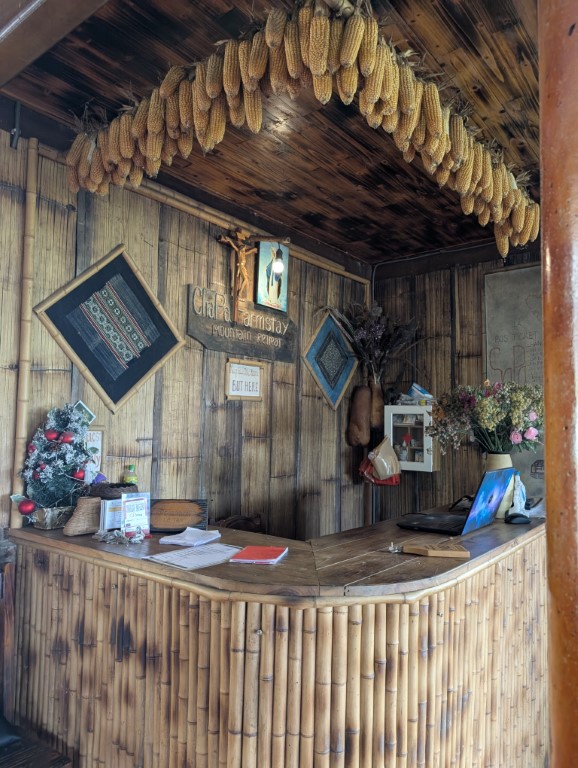


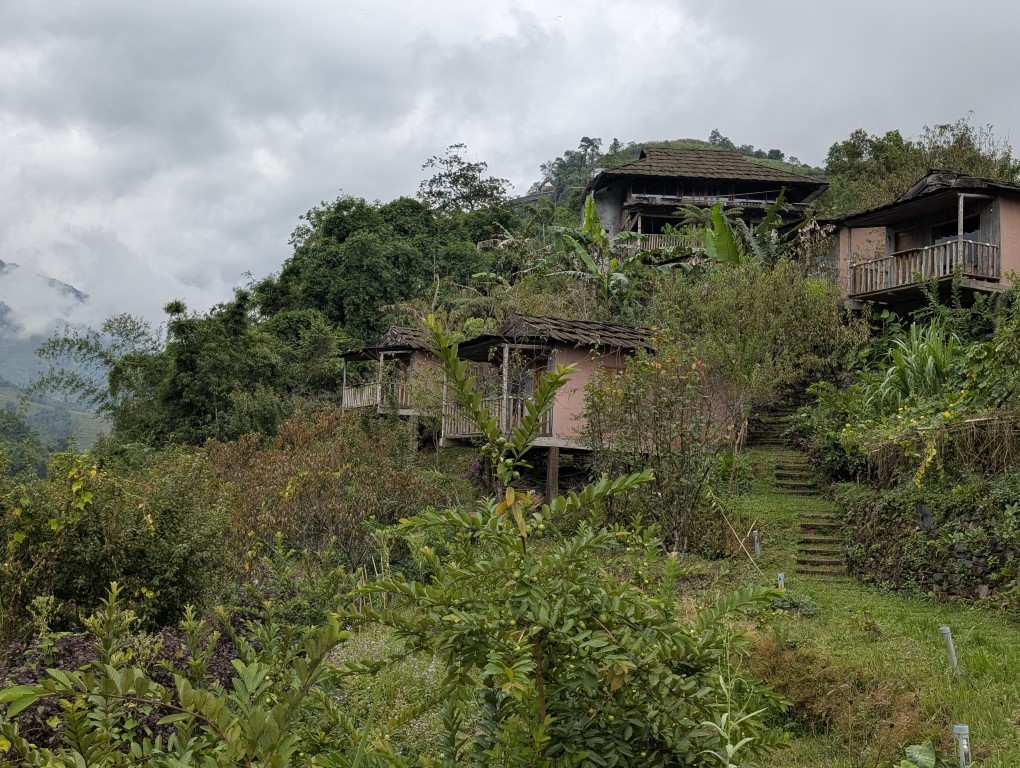
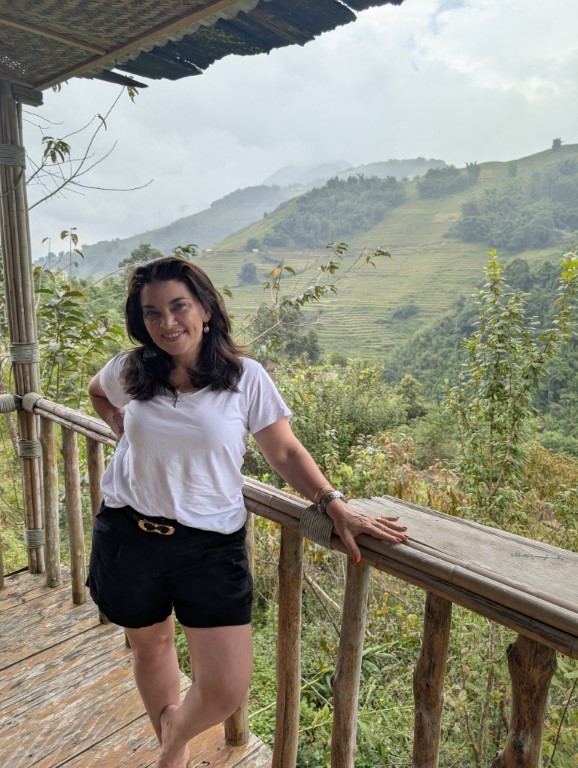
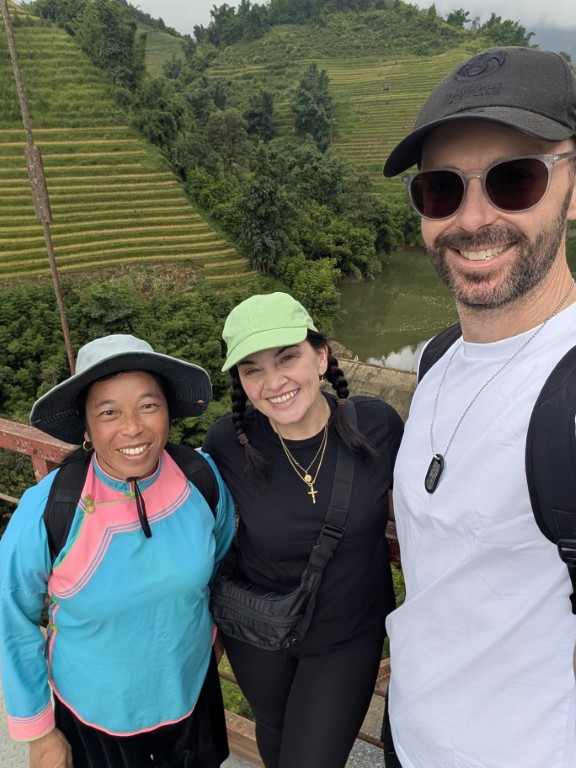
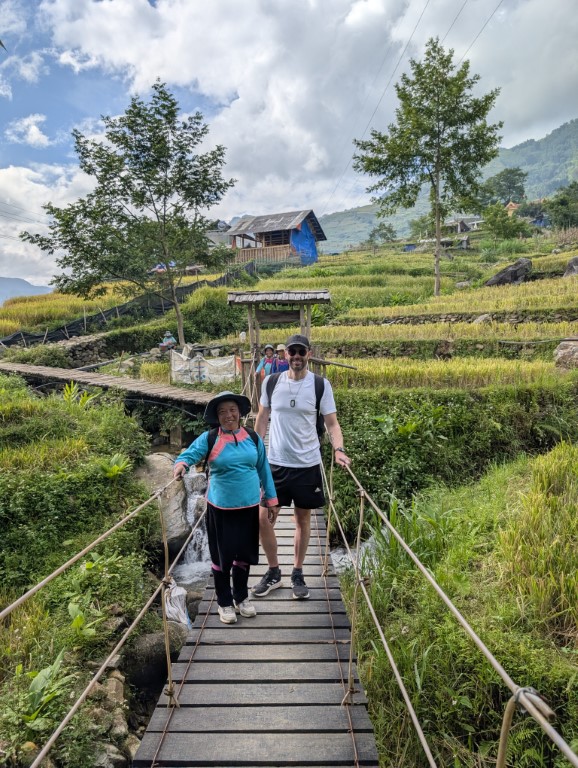
On day one, we woke early to breakfast cooked by the wonderful Hmong family who run the Farmstay, as we read books in English to owner Ly’s kids, Alice and Chu. At 9:30 local Black Hmong guide, Yim, picked us up for a day of solid trekking through the local area where we explored and learnt about Hmong culture and traditions.
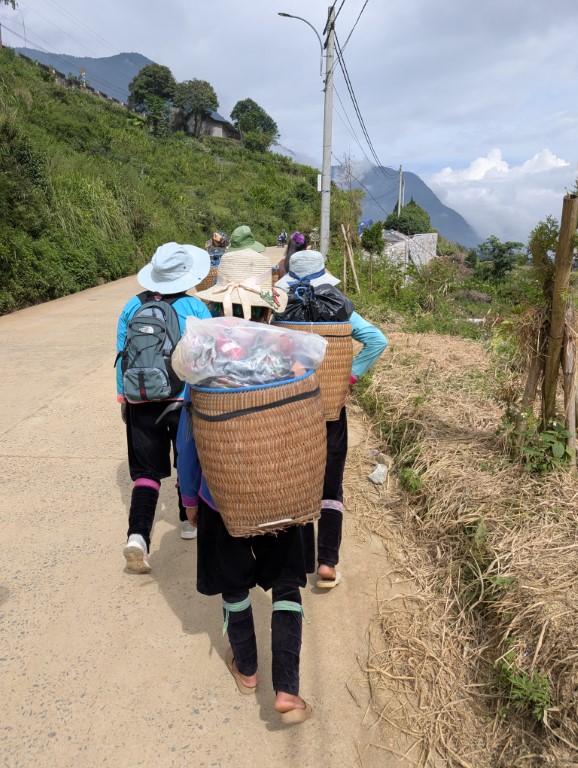
There are many local Hmong tribes in the area, and each of them can be identified by their traditional clothes. Yim wore black velvet shorts and had her calves wrapped in black velvet fabric decorated with colourful ribbon for mosquito and sun protection. The women also wear multiple large silver hoop earrings, colourful long-sleeved shirts, and carry cane baskets on their backs filled with their handwoven textiles and toys to sell.




She explained that families in the past would be big, with 4-5 children. Only a couple of them were allowed full education while others would stay home to cook, clean, tend to the animals and help the family with their rice or corn plantations.
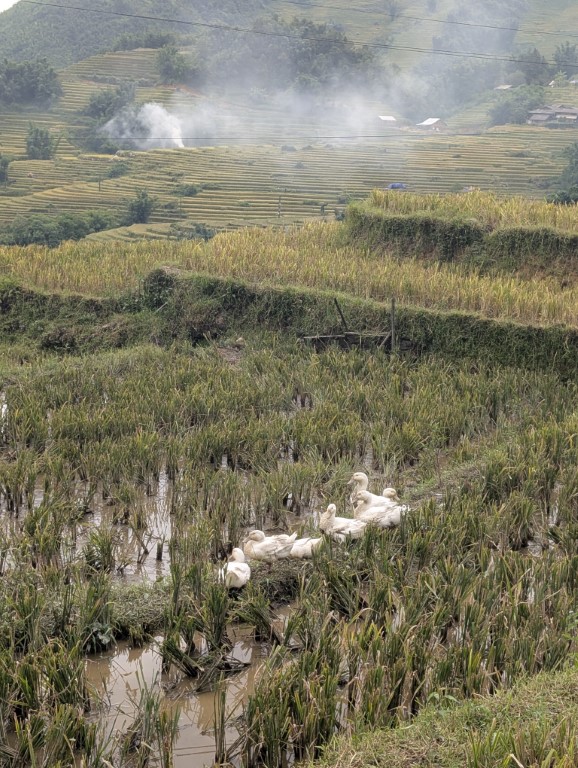
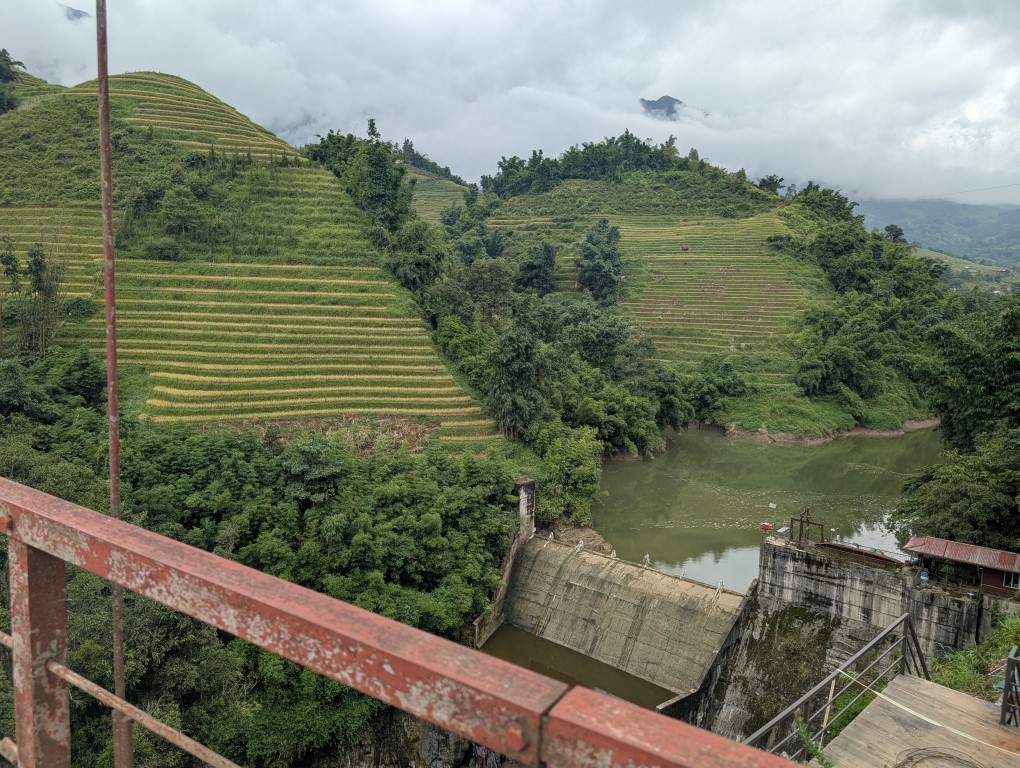
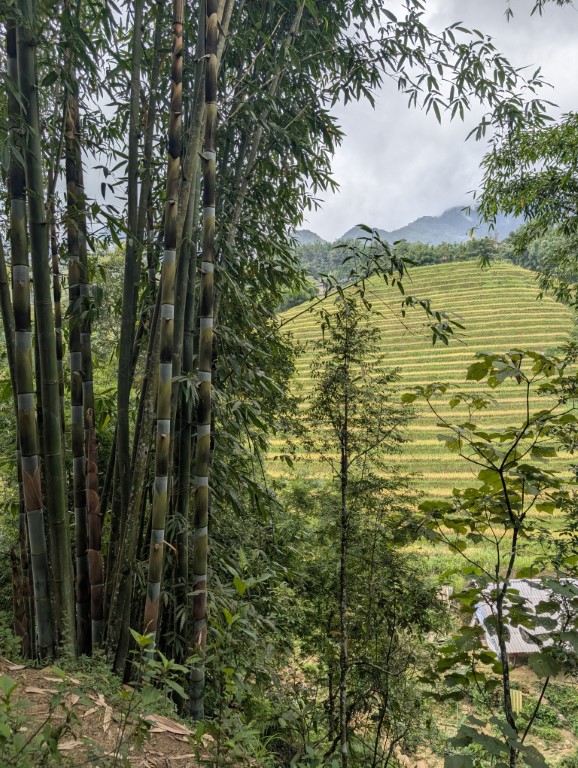
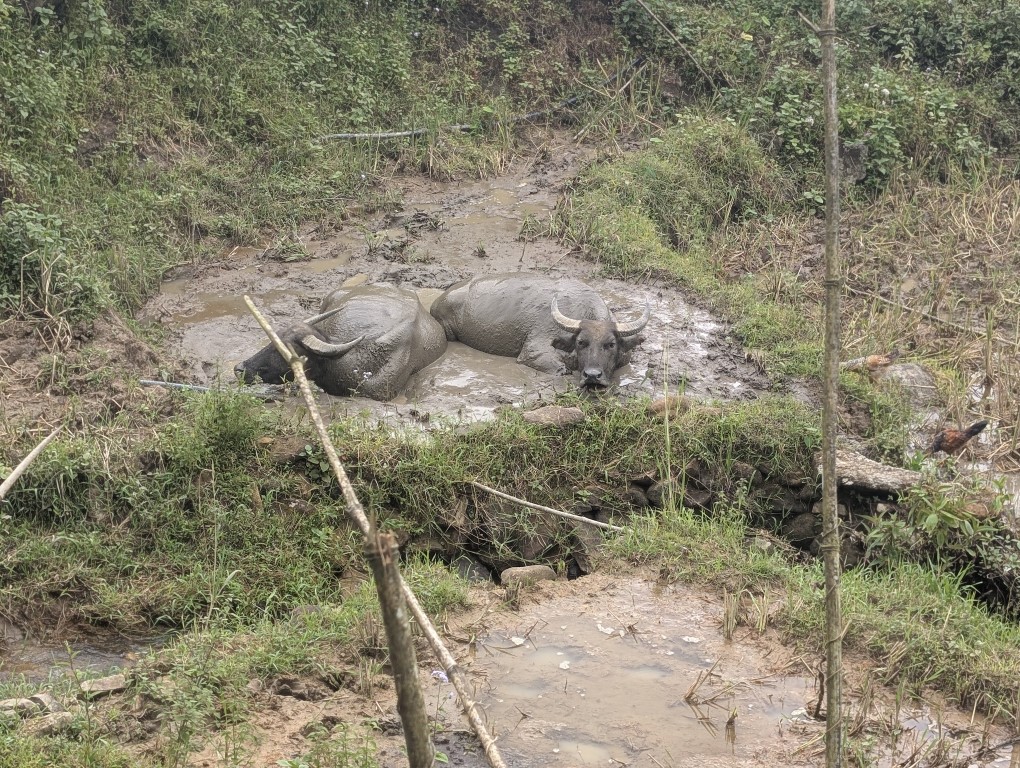
The 6-hour trek was stunning. We saw tessellated rice paddies curving around mountains; water buffalo lazing in muddy puddles; dogs, laying in the dirt exasperated from the heat; chickens and their chicks, ducks and their ducklings foraging below bamboo forests and around homes; the sound of crickets and roosters echoing through the countryside; and the occasional motorbike piled with bags of rice, long runs of timber or children, winding through the small villages.
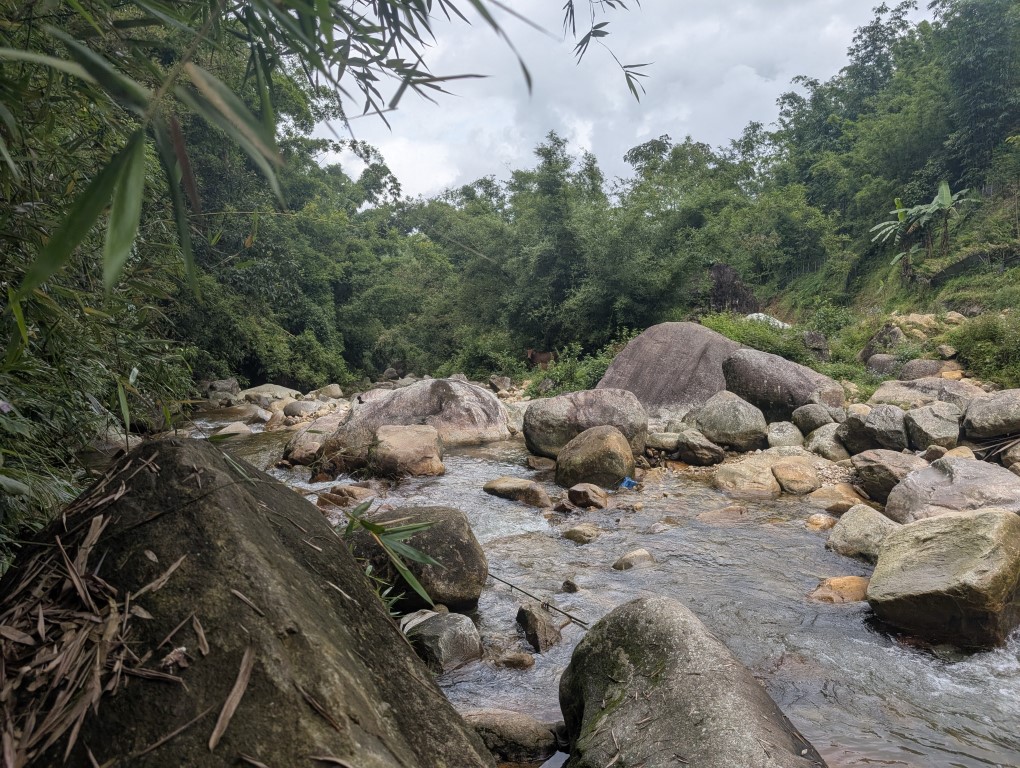
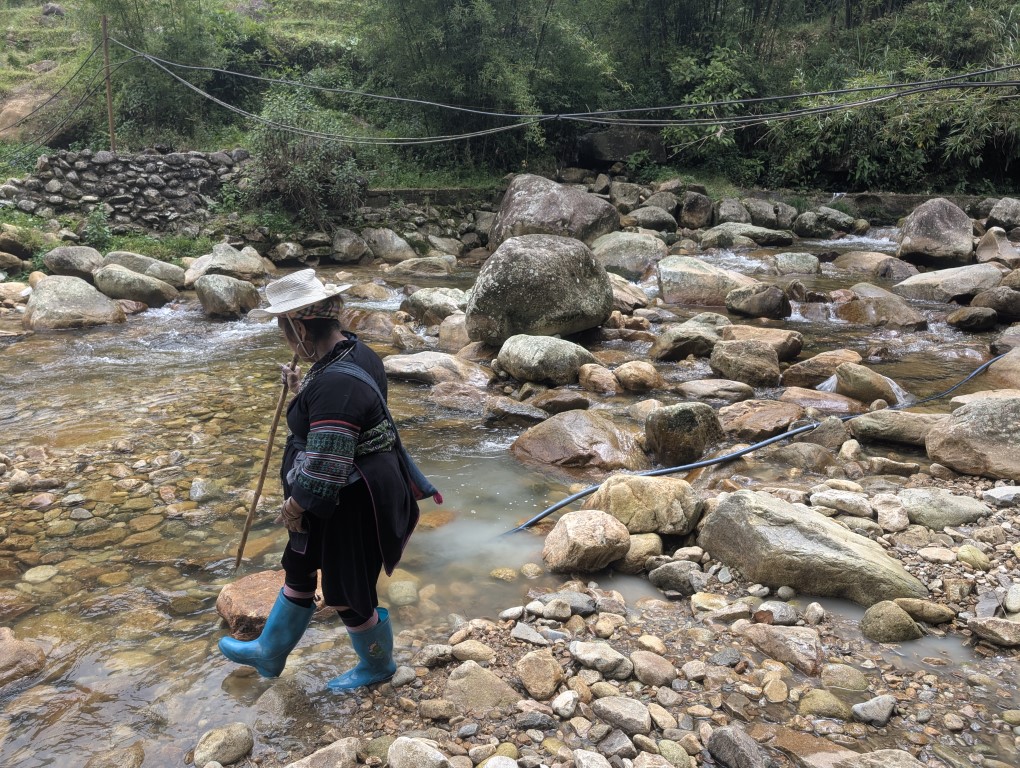
Another Black Hmong woman, Jewel, walked with us for part of the journey. As I slipped awkwardly over muddy paths beaten down by water buffalo and tentatively crossed over wild flowing rivers, she navigated without pause, in her 60s, carrying two long bamboo staffs, and wearing gum boots.
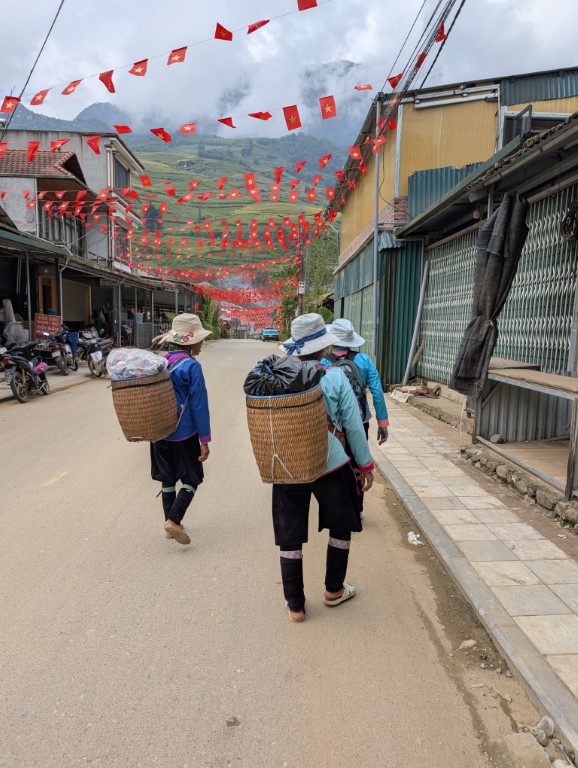

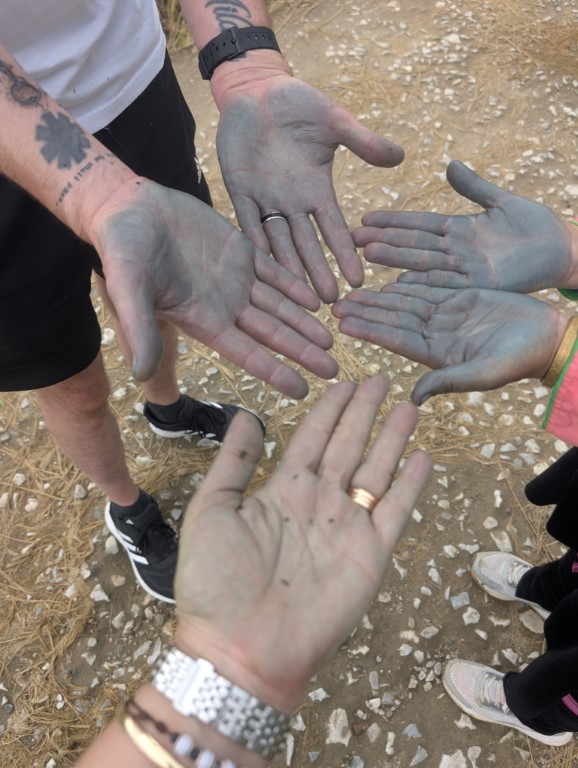
We passed by small sturgeon farms filled with the large fish that are a specialty of the region. Wild hemp plants grew on the sides of the roads, which local women manipulate as they sit and chat and use to create thread. Indigo plants are used to dye cloth and baskets a rich blue colour, and these lengths of cloths hung across lines in every home we passed. Yim showed us how rubbing the leaves in our hands released a green dye that turned blue over time.


We saw in real life the growth cycle of rice…from the extensive fields that grew across the mountains, to harvesting (on sunny days only). How picked crops are collected, dried in the sun on large tarps, and cleaned off in machines wheeled onto each field. Families spread out the used stalks in the sun out the front of their homes to dry, and then bag them up for their water buffalo to eat. Every part of the plant is used, and the farming families here all understand perfectly how to use the weather and landscape to get the most from their crops.

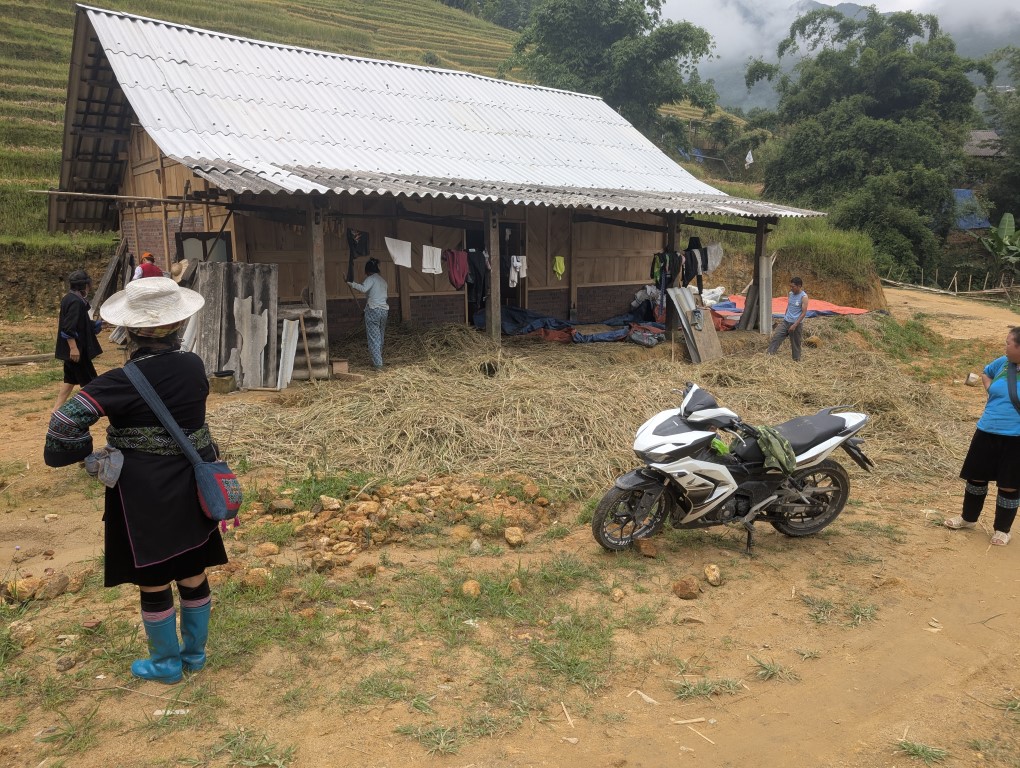

The whole process felt romantically old-fashioned, especially when you see how crops are produced and harvested in Australia: with heavy machinery, refineries, trucks. Everything here is planted and collected by humans, with water buffalo and guys on motorbikes helping the process. These multigenerational farms are producing and processing rice. By hand. For a whole country.
We ate a delicious lunch of pork, morning glory (a green leafy vegetable very popular everywhere we went) and rice in the home of one of the local villagers. The children of families working the rice fields played together with planks of wood and rocks, while ducklings, cats and dogs scurried around them. Dried corn hung from roofs ready to feed the animals next season.



We noticed that some of the local village people had lined bruises across their necks or round bruises on their foreheads. Yim explained this was local medicine: the result of heavy neck massages to get rid of throat infections, and cupping done with buffalo horns and a flame on the forehead to get rid of headaches.
Exploring the lush regional landscape was magical.
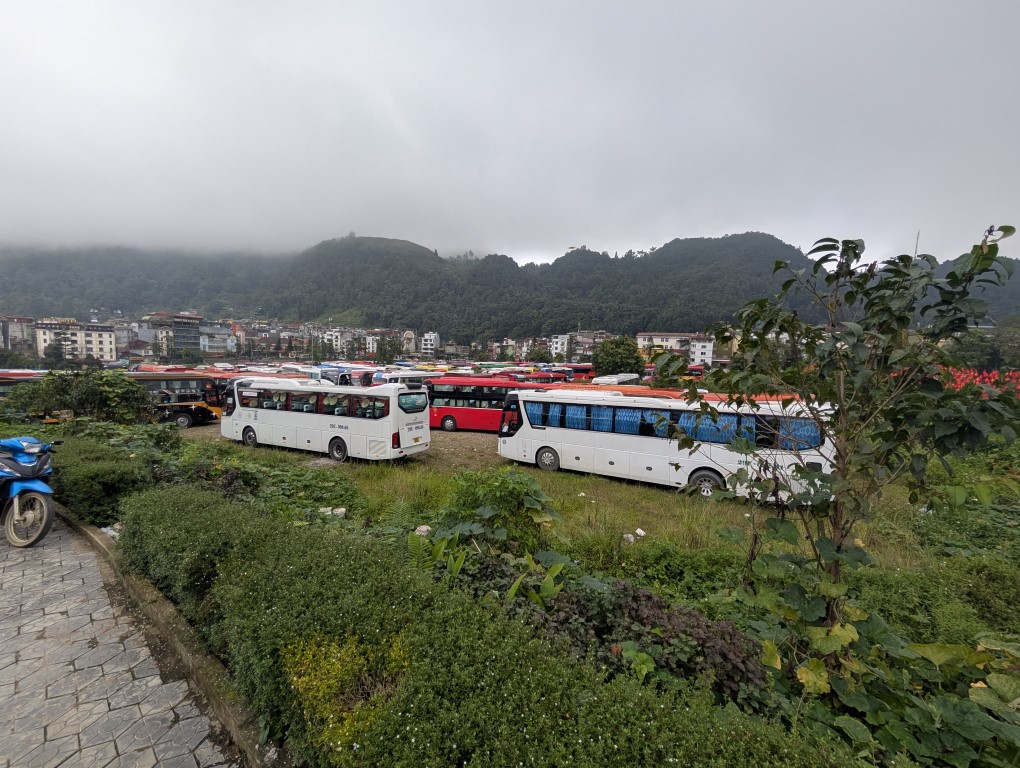
Sapa town, however, was the lowlight of our trip so far. The town is packed with tourists, especially on the weekend where literally hundreds of buses shuttled people from all over Vietnam and beyond into town. It is grubby, soulless and joy free. It felt like the light had left the eyes of everyone, from shop assistants, to the Hmong people selling their wares on every corner, to the tourists who looked lost and bewildered. Everything in Sapa town seemed to exist for tourists, and it felt like everyone was in some way being exploited by someone else. The town is all hotels, restaurants, and shonky massage joints offering cheap foot rubs or back massages by young workers who have zero qualifications in either of these fields. Young Flower Hmong girls in full traditional costume danced to American pop music for clapping groups of tourists, or wandered around with baby siblings strapped to their backs selling ribbon bracelets and keyrings.
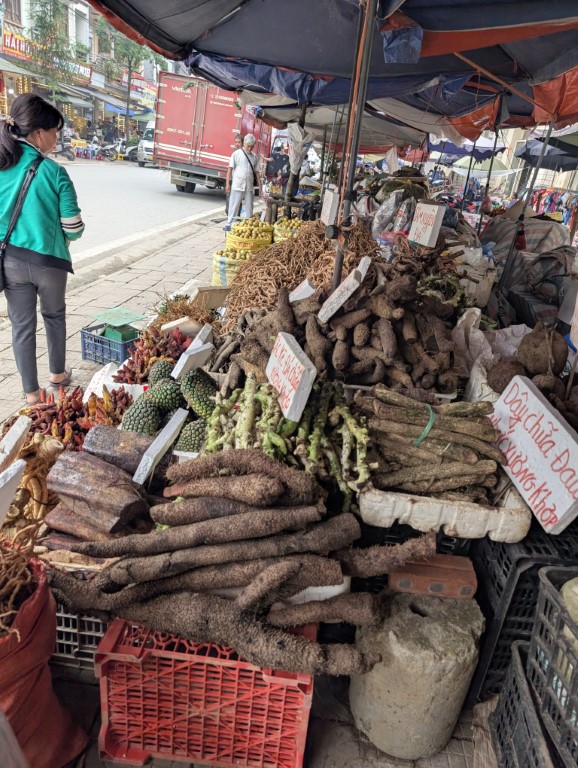
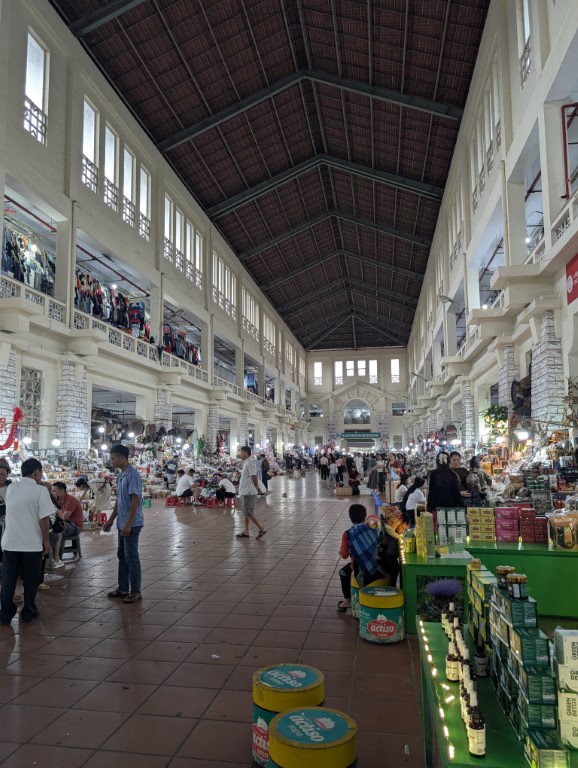


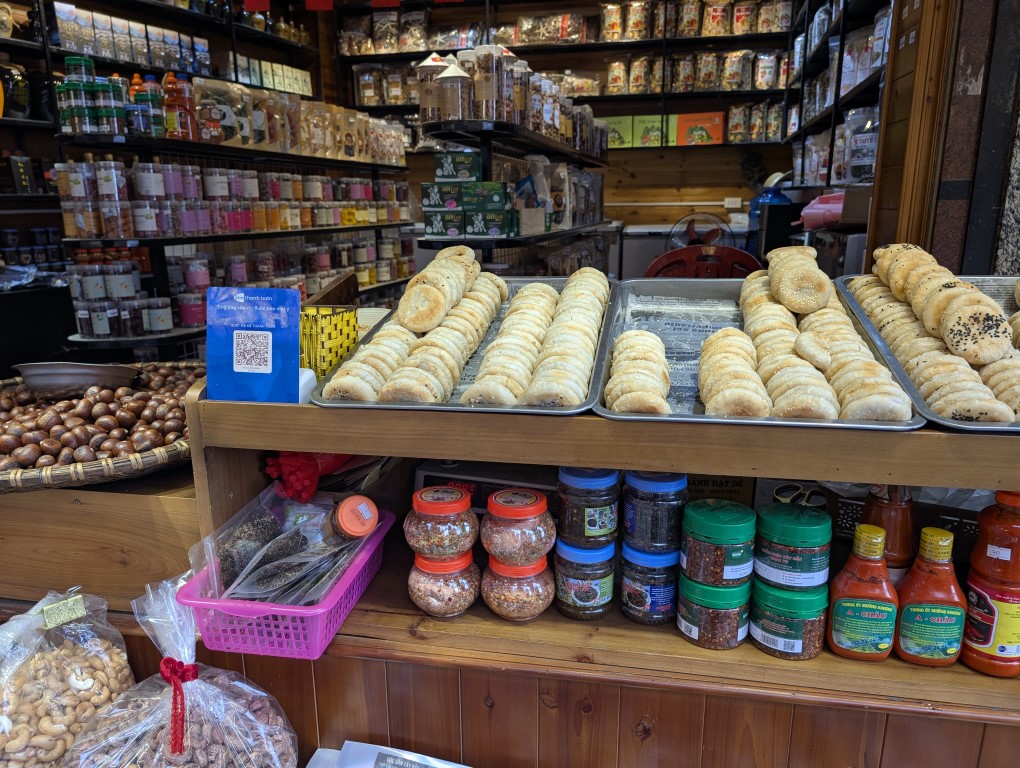

We did manage to grab some micro slices of real-life Vietnam here though. Sapa market was packed with locally made knives, silver, herbs, dried fruit and teas, odd root vegetables, women cracking walnuts and weighing them into bags. There were bus drivers gathered out the front of the market laying their dong on the line playing cards, smokes in hand. Big bamboo pipes were stored out the front of bars in large buckets for men to share, packed with locally grown tobacco leaves. Hmong women yelled “Hello, shopping?” as you passed by their street displays of cloth, purses and scarves. And the warm chestnut filled pastries that were around 70 cents each were absolutely delicious!
Another overnight train rattled us into Hanoi. There was a VIP room at the station in Lao Cai where we ate possibly the worst meal we had in Vietnam. This was potentially our own fault to be honest as we ordered a burger and club sandwich to get a break from the incredible noodle and rice dishes we’ve been eating. But they were awful. We had been looking forward to the Chapa Express, the alleged “luxury” “distinguished” “impeccable” (all from their publicity spiel) cabin we’d swooned over online. In reality it was average at best. Passengers in the hallway were yelling at the manager saying they’d been “swindled” with the room they were given. The overnight supper was a banana. The promise of complimentary wine left staff looking perplexed when we asked about it.
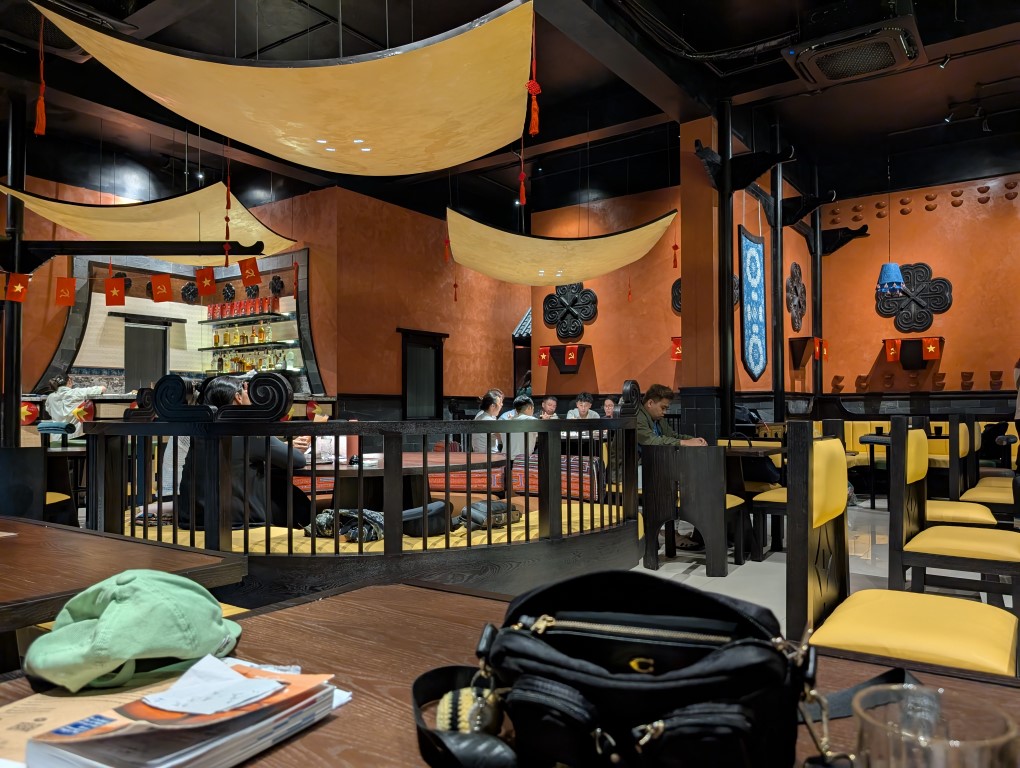

Arriving in Hanoi at 5:00am was not a good move. We were tired, agitated, and unwashed. And check in wasn’t until 2:00pm. I can’t even remember what we did for those 9 hours. Wandered the hectic streets in a caffeine-fueled haze (HELLO Vietnamese salt coffee!) from memory. And waited desperately for air-con and clean sheets.
 The Token Traveller